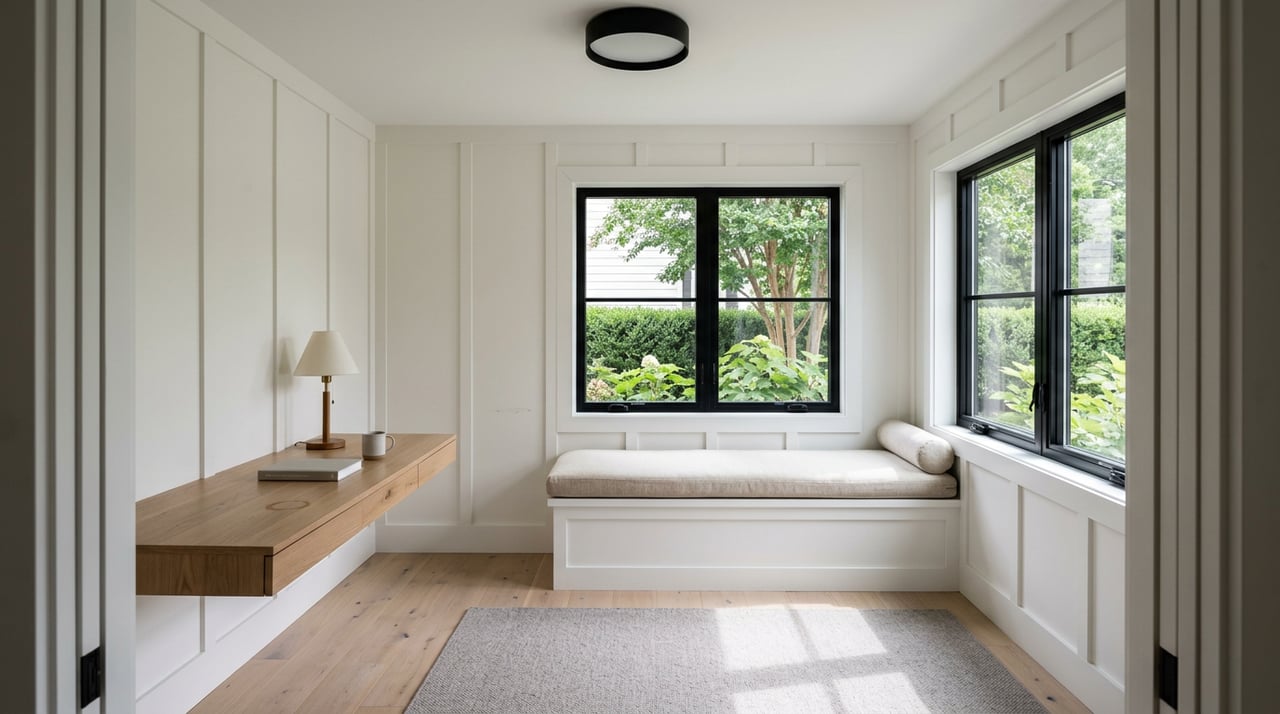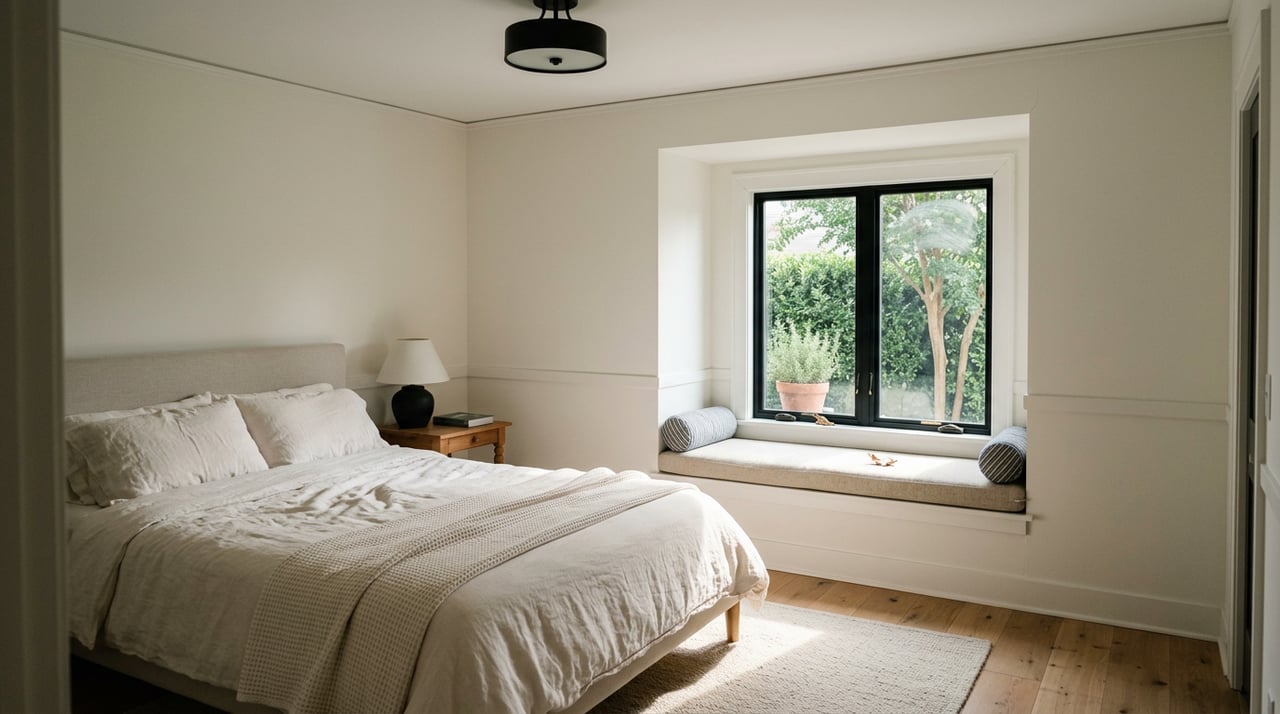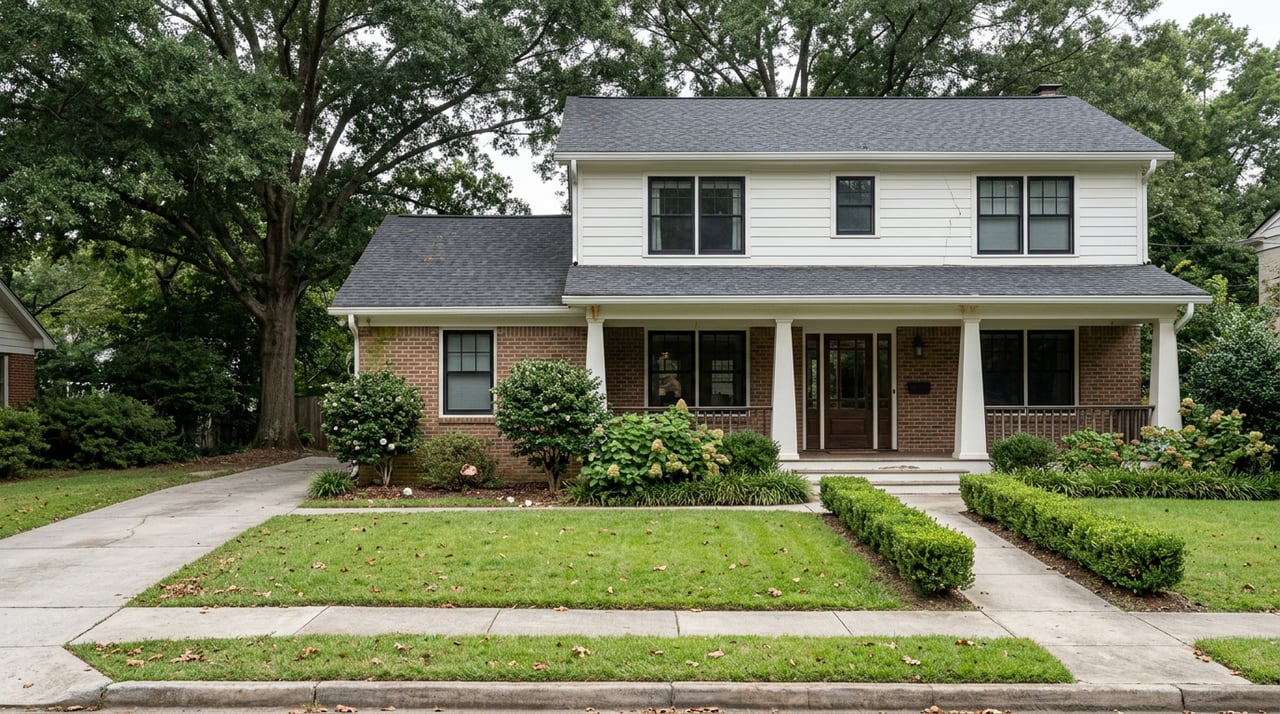
Thinking about downsizing near Raleigh? In Wake County, the move is rarely just about getting a smaller house. It is usually about making daily life easier, cutting back on upkeep, and choosing a home that fits how you want to live now and in the years ahead. If you are starting that process for yourself or helping a parent make a move, this guide will walk you through local housing options, key location filters, and practical planning tips so the transition feels more manageable. Let’s dive in.
Why downsizing matters in Wake County
Wake County is a large and growing market, and downsizing is becoming a more common conversation for local homeowners. According to Census QuickFacts for Wake County, the county had an estimated July 2024 population of 1,232,444, and 13.7% of residents were age 65 and older.
That shift matters because housing needs often change over time. The county’s 2025-2030 Consolidated Plan notes that Wake County is still largely suburban, with a mix of urban, suburban, and rural settings across its borders. That means you have a wide range of choices, from lower-maintenance homes near services to more private options with a traditional layout.
The same report also shows a very tight homeowner vacancy rate of 0.7% in 2023. In practical terms, that is one reason it helps to start early. If you want the right home type in the right area, planning ahead can give you more flexibility and less stress.
Focus on right-sizing, not just shrinking
A successful move is not always about the fewest square feet. It is about finding a home and location that support your mobility, comfort, and routine.
For many Wake County homeowners, right-sizing means asking better questions before they shop. Do you want fewer stairs? Less yard work? Easier parking? Closer access to medical care, community programs, or transportation? Those answers often matter more than the exact size of the home.
This approach also fits the local housing mix. Wake County’s consolidated plan reports that 59% of properties are 1-unit detached homes, 11% are 1-unit attached homes, and about 24% are in larger multifamily buildings. That gives you real variety, but it also means your best fit depends on how you want to live day to day.
Compare Wake County housing options
Detached homes for privacy
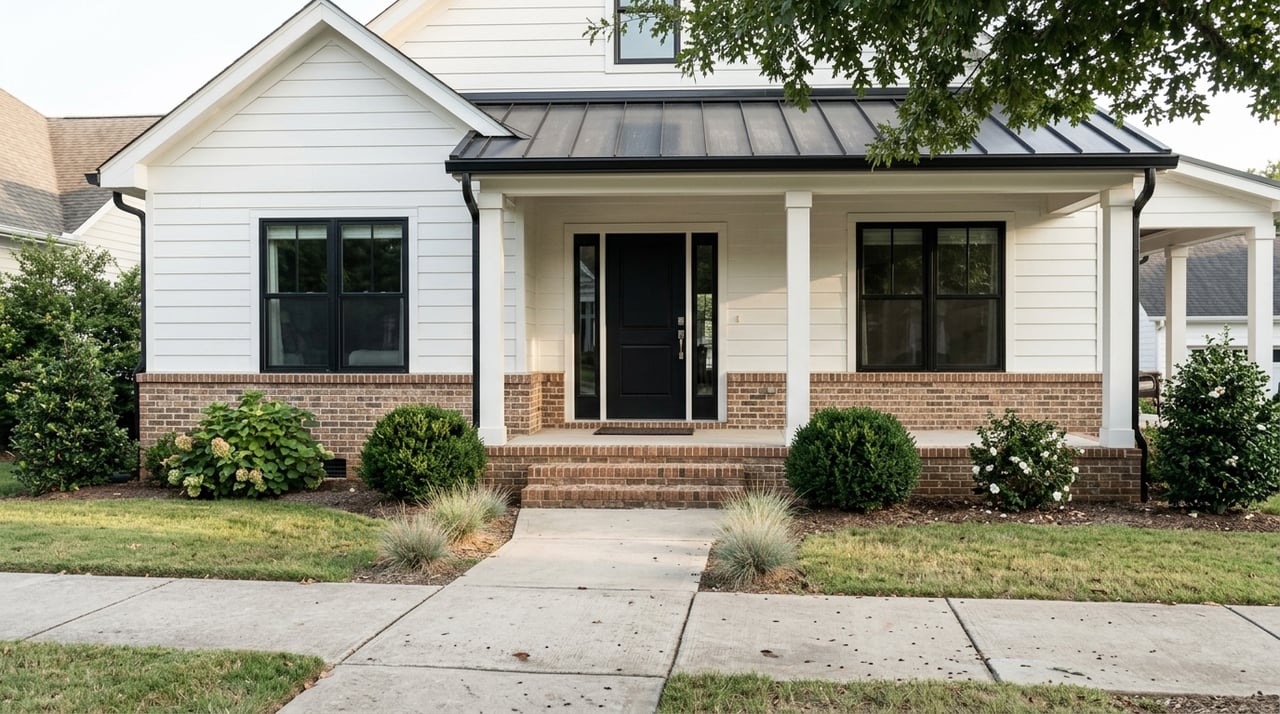
A one-level or mostly main-level detached home can be a strong option if you want privacy, dedicated parking, and some outdoor space without managing a larger house. The Census defines a 1-unit detached structure as a separate building with open space on all sides.
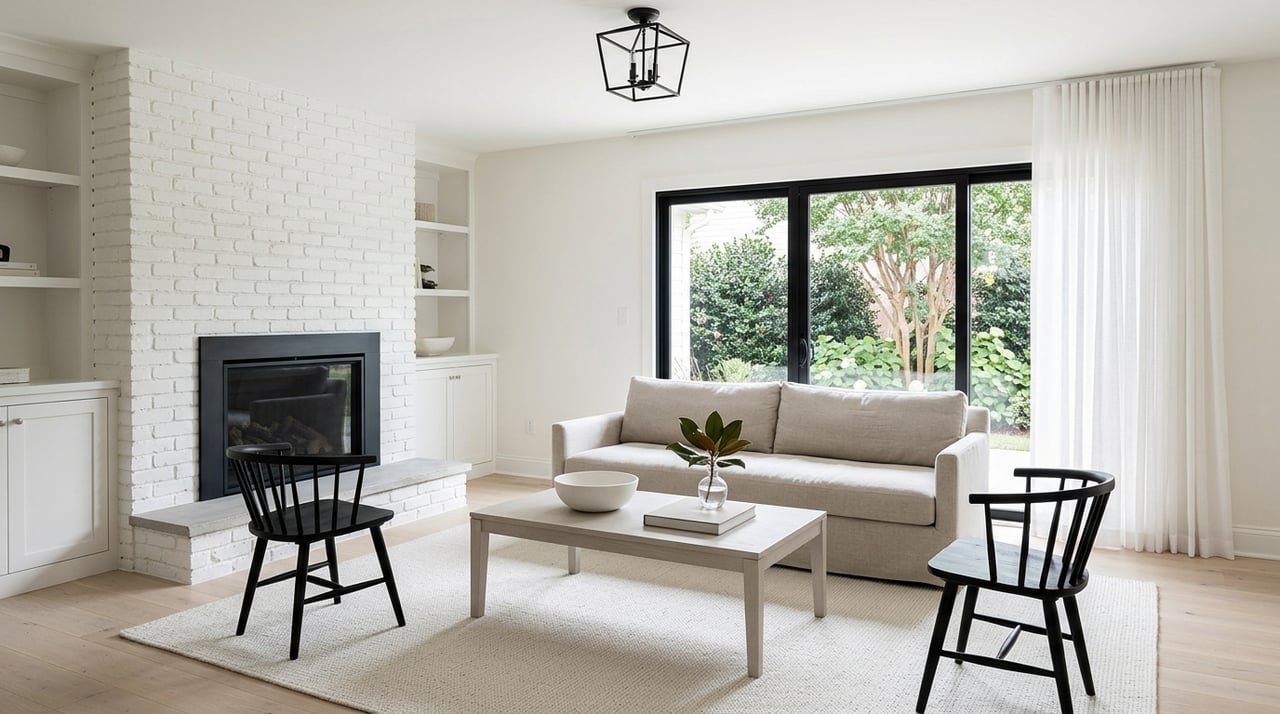
This option often works well if you still want a traditional home feel but need better function. Features like one-story living, a main-floor bedroom and bath, and fewer steps can make a big difference over time.
Townhomes for lower upkeep
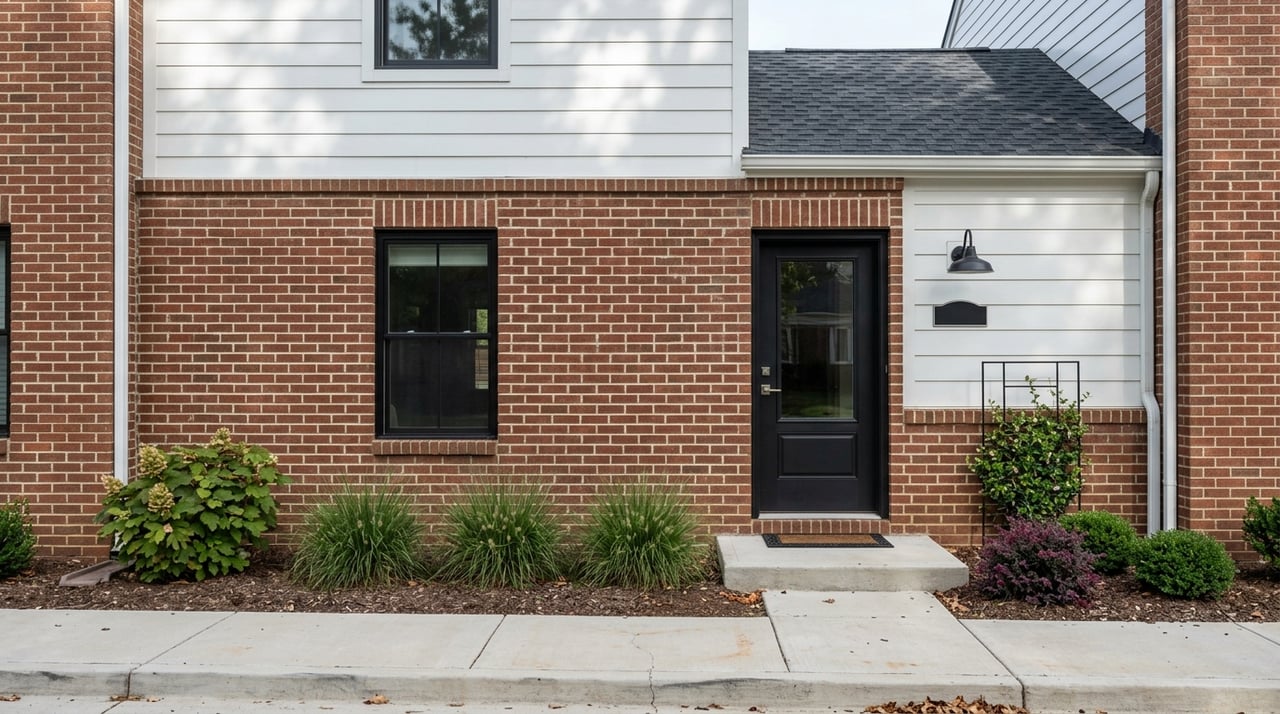
Townhomes can be a smart middle ground. The Census classifies 1-unit attached homes as units that share a wall running from ground to roof, which includes many row houses and townhouses.
For downsizers, the appeal is often simpler exterior maintenance while still keeping a residential layout. If you do not want a large yard or extensive upkeep but still prefer a home-like setting, this can be worth a close look.
Condos for convenience
Condos and apartment-style ownership options usually fall under multifamily housing in Census definitions. They can be especially attractive if your goal is to reduce maintenance and simplify everyday living.
Before choosing a condo, review the details carefully. Pay attention to HOA or condo fees, parking, storage, elevator access, and how easy the property is for guests to visit. Those practical points can shape your experience just as much as the floor plan.
Senior-oriented housing options
Senior-oriented and age-restricted housing is part of the local picture too. Wake County’s consolidated plan identifies about 4,500 units dedicated to seniors and individuals with assistive needs within the affordable housing inventory.
AARP also notes that age-restricted 55+ communities and mixed-use developments can appeal to people who want accessible features and less upkeep. If lifestyle simplicity is a priority, these options may deserve a place on your list.
Prioritize features that support daily living
When you tour homes, try to focus less on finishes and more on function. A beautiful kitchen is nice, but a practical layout often matters more in the long run.
According to AARP’s aging-in-place home guidance, some of the most helpful features include:
- Fewer stairs
- A first-floor bedroom and bathroom option
- No-step entry
- Wider doorways
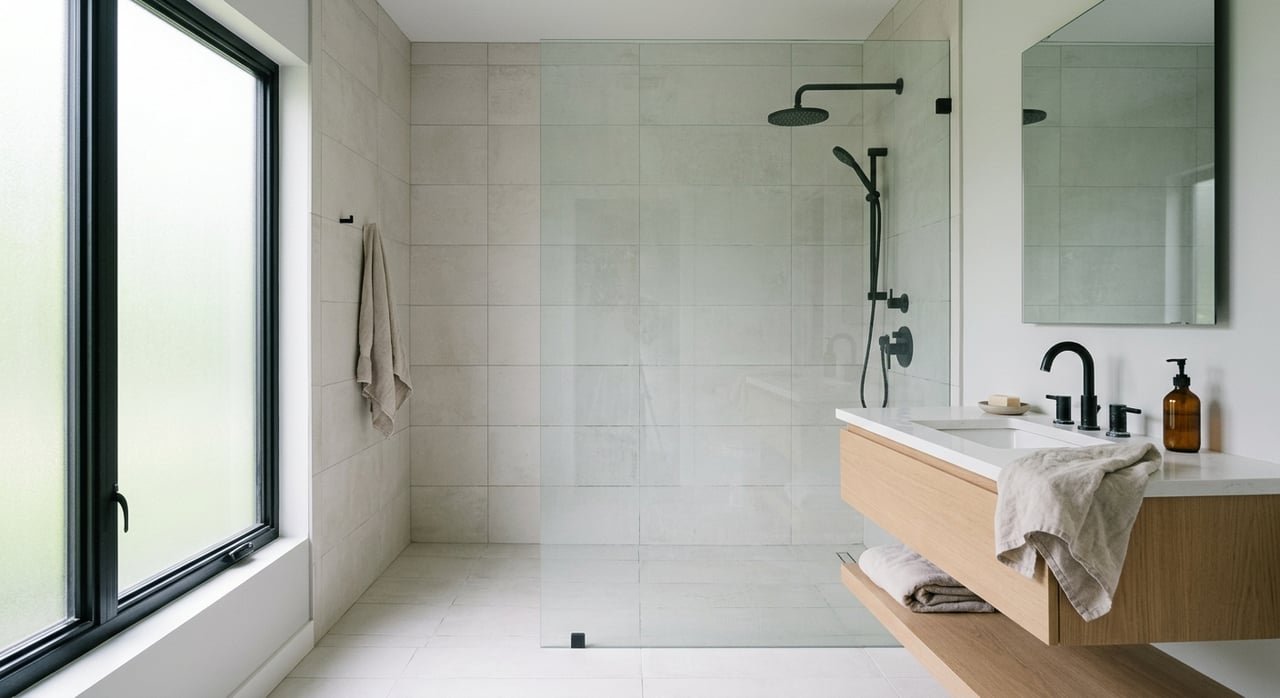
- Bathroom safety features
- Open floor plans that are easier to navigate
You do not need every feature on day one. Still, choosing a home with better accessibility now can help you avoid another move later.
Use location as a key filter
In Wake County, location can matter just as much as the home itself. For many downsizers, the best move is one that makes appointments, errands, and social connection easier.
That is why it helps to think in terms of access. A home that is close to healthcare, transportation, and everyday services may support independence better than a larger home farther out.
Stay near healthcare options
Healthcare access is a major reason many people narrow their search by area. Wake County has several major care hubs, including WakeMed Raleigh Campus on New Bern Avenue, WakeMed Cary Hospital for western Wake County, Duke Raleigh Hospital on Wake Forest Road, and UNC Health Rex locations serving Apex, Cary, Garner, Holly Springs, Knightdale, Wakefield, and downtown Raleigh.
You may not need frequent care now, but proximity can still bring peace of mind. When comparing homes, think about drive times, typical routes, and how easy it would be for family members to reach you if needed.
Look for community support services
A good move should support your life after closing day too. Wake County offers a strong network of programs and resources for older adults.
The City of Raleigh’s Active Adult Program offers classes, trips, exercise, and social activities through multiple centers. The same page highlights the Five Points Center for Active Adults, which has an on-site information and referral specialist who can help connect residents with housing, transportation, legal aid, and other topics.
Beyond Raleigh, Garner Senior Center and the Wake Forest Center for Active Aging serve adults 55+ in their areas. Resources for Seniors also offers home care, adult day care, home adaptations, weatherization, senior centers, and referral services.
Consider transportation access
Transportation is another practical filter, especially if you are planning for long-term convenience. Raleigh’s GoRaleigh Access program provides ADA paratransit service, and the city’s GoRaleigh and GoWake Access facility supports eligibility testing and call centers that schedule more than 2,000 daily trips for people with disabilities, older adults, and rural residents.
Meals on Wheels Wake County also supports independence by delivering meals and check-ins to homebound residents age 60 and older, with additional programs like Friendship Cafes and frozen meal service. If staying independent at home is part of your goal, these local services are worth knowing about before you choose where to live.
Start planning earlier than you think
One of the biggest downsizing mistakes is waiting too long to begin. The process usually takes more time than people expect, especially if you are selling a long-time home and sorting through decades of belongings.
AARP’s move-planning guidance suggests that downsizing works best when families start early, ideally allowing about a year to find the new home and leave the old one. That timeline can help you make decisions at a steadier pace.
Early planning also gives you room to coordinate both sides of the move. You can prepare your current home for sale, explore purchase options, and line up help without feeling rushed.
Make decluttering simpler
Decluttering tends to be the most emotional part of downsizing, but a simple system can make it easier. AARP recommends deciding first what to keep and what to leave, then sorting belongings into clear groups.
Its decluttering advice before moving suggests these practical steps:
- Get a floor plan of the new home
- Measure the new space
- Make the easy decisions first
- Sort items into keep, donate, sell, or toss
- Avoid creating a large “maybe” pile
If you are helping a parent, this kind of repeatable process can reduce stress for everyone involved. It keeps the project moving and makes each decision feel more manageable.
Coordinate the sale and move carefully
Downsizing often means managing two big transitions at once. You are not only moving into a new home. You are also preparing a current property for the market and trying to line up timing in a way that works.
That is where experienced guidance can help. A thoughtful plan for pricing, home preparation, marketing, and timing can make the sale side of the process smoother while you search for the right next home.
If outside help is needed, AARP’s guidance for moving a loved one recommends using a Senior Move Manager when possible and checking for licensed, bonded movers. For some households, a family moving team may also be a good fit if the move is not too complex.
A practical Wake County downsizing checklist
If you are just getting started, focus on these steps first:
- Define what “easier living” means for you
- Choose the home type that fits your routine
- List must-have accessibility features
- Narrow areas based on healthcare and service access
- Start decluttering months in advance
- Build a realistic timeline for selling and buying
- Line up movers or move-management help if needed
The goal is not to rush. The goal is to make clear decisions one step at a time.
Downsizing in Wake County can open the door to a simpler, more supportive next chapter when the move is planned around your daily life, not just square footage. If you want a steady local guide to help you evaluate options, prepare your current home, and coordinate a smoother transition, connect with Hendren Realty Group for a free home consultation and valuation.
FAQs
What does downsizing near Raleigh usually mean?
- Downsizing near Raleigh often means right-sizing to a home and location that reduce maintenance, support mobility, and keep you closer to healthcare, transportation, and daily services.
What home features matter most when downsizing in Wake County?
- Helpful features often include fewer stairs, a first-floor bedroom and bathroom option, no-step entry, wider doorways, and bathroom safety features.
What housing types should Wake County downsizers consider?
- Many buyers compare one-level detached homes, townhomes, condos, and senior-oriented or age-restricted housing depending on how much privacy, upkeep, and accessibility they want.
How early should you start planning a downsizing move in Wake County?
- AARP recommends starting many months in advance, ideally around a year, so you have time to find the next home, declutter, and coordinate the sale without unnecessary pressure.
What local resources can help after a move in Wake County?
- Useful local resources include Raleigh’s Active Adult Program, Garner Senior Center, Wake Forest Center for Active Aging, Resources for Seniors, Meals on Wheels Wake County, and GoRaleigh Access transportation services.
Why does location matter so much when downsizing in Wake County?
- Location matters because being closer to hospitals, community programs, and transportation can make daily life easier and support long-term independence.