Thinking about selling your home in Fuquay-Varina? A smooth sale usually starts long before the sign goes in the yard. If you want to protect your timeline, present your home well, and avoid last-minute surprises, it helps to work from a clear plan. This checklist walks you through what to do from early prep to closing so you can move forward with more confidence. Let’s dive in.
Start Early in Fuquay-Varina
If there is one takeaway for sellers in Fuquay-Varina, it is this: give yourself enough time. Local market snapshots show different results depending on the source and timeframe, including pricing, inventory, and time on market, which is a good reminder that there is no one-size-fits-all formula. Instead of relying on a single headline number, focus on realistic pricing, strong presentation, and a thoughtful launch strategy based on current conditions, as reflected in Realtor.com's 27526 market overview.
That is why pre-listing prep should feel like a months-ahead project, not a last-minute sprint. The more time you give yourself to clean up details, gather documents, and plan your marketing, the easier it is to make smart decisions without pressure.
Pre-Listing Home Prep
Before photos, showings, and open-house planning, start with the basics that help buyers see the home clearly. Small improvements can make a big difference in how your property feels online and in person.
Declutter and Deep Clean
Remove extra furniture, clear countertops, organize closets, and pack away personal items you do not need right now. A cleaner, simpler space helps rooms feel larger and makes it easier for buyers to picture how they would use the home.
Then schedule a deep clean. Pay close attention to kitchens, bathrooms, baseboards, windows, flooring, and light fixtures. Clean homes tend to photograph better and create a stronger first impression during showings.
Handle Obvious Repairs
Take care of the items buyers are most likely to notice right away. Think dripping faucets, loose hardware, squeaky doors, cracked caulk, burned-out bulbs, stained grout, and damaged screens.
These may seem minor, but visible deferred maintenance can make buyers wonder what else has been overlooked. Fixing simple issues ahead of time can help your home feel better cared for from the start.
Refresh Paint and Curb Appeal
Touch up scuffed walls and consider repainting bold or heavily worn areas if needed. Neutral, clean-looking surfaces usually help photos feel brighter and more polished.
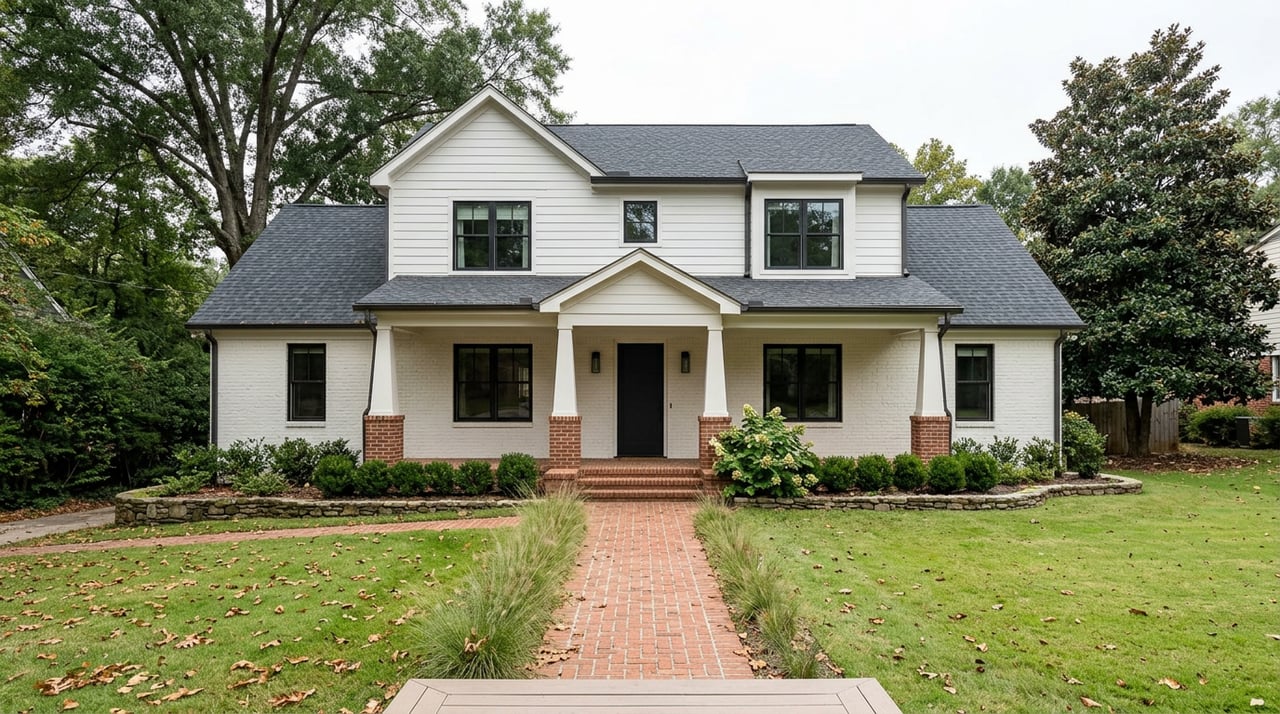
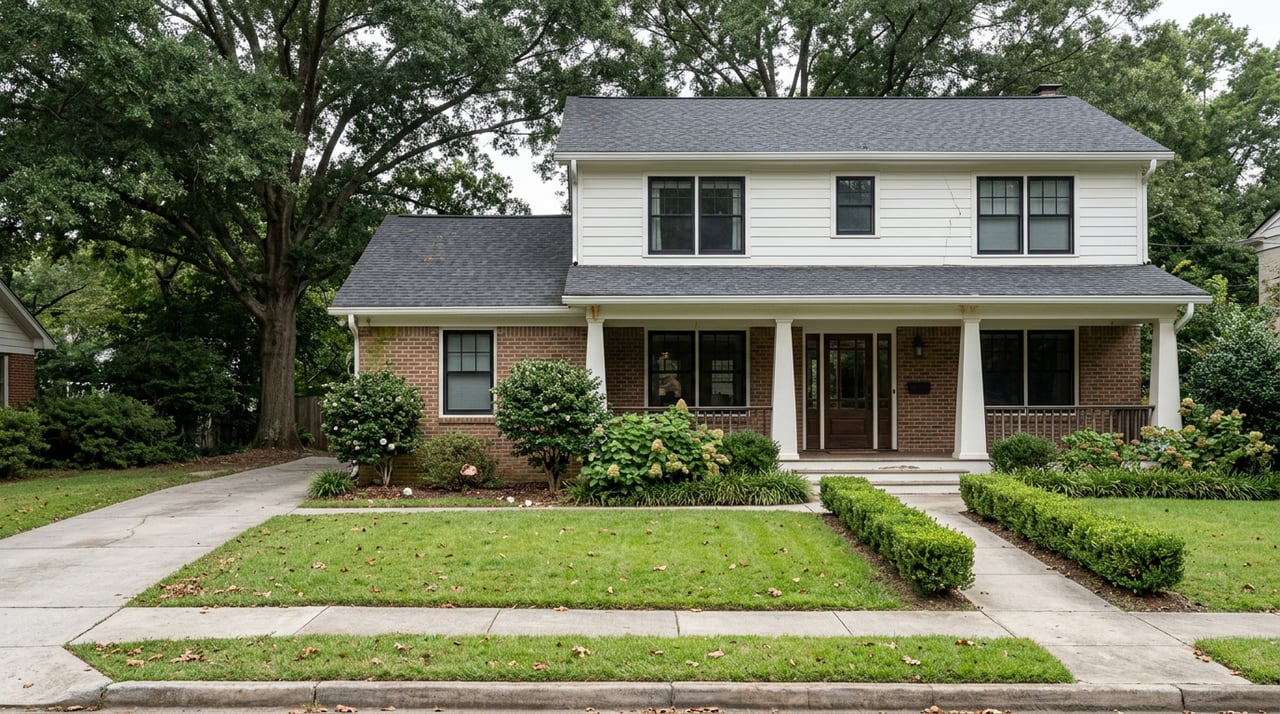
Outside, focus on easy curb appeal wins. Mow the lawn, trim shrubs, edge beds, pressure wash surfaces if needed, and make sure the front entry looks tidy and welcoming.
Gather Permits and Property Records
If you have completed work on the home, this step matters. In Fuquay-Varina, the town's Inspections Department issues permits for projects involving single-family and accessory structures such as decks, pools, storage buildings, garages, and carports, and it issues a Certificate of Occupancy after completion when applicable, according to the Town of Fuquay-Varina Inspections Department.
Before listing, gather records for any work that may have required permits. If a project was completed recently, confirm that final approvals were issued. Having this documentation ready can reduce questions later and help keep your transaction moving.
A good records folder may include:
- Permit documents
- Final inspection approvals
- Certificates of Occupancy, if applicable
- Invoices and receipts for major repairs or upgrades
- Warranties for systems or appliances
- HOA documents, if your property is subject to an association
Prepare North Carolina Disclosures
North Carolina has specific disclosure requirements for most residential sellers. According to the North Carolina Real Estate Commission, sellers are generally required to provide the Residential Property and Owners' Association Disclosure Statement, often called RPOADS, and the Mineral and Oil and Gas Rights Mandatory Disclosure Statement, or MOGS.
The RPOADS should be provided before an offer to purchase. On that form, you may answer yes, no, or no representation, but anything you do disclose must be honest and based on your actual knowledge.
If your property is in an HOA or is subject to covenants, the owners' association portion of the disclosure package is especially important. Make sure your information is current and complete.
Update Disclosures if Things Change
Your disclosure work does not always end once the forms are filled out. If an inspection or later discovery reveals a significant defect, the listing broker must disclose that material fact to future buyers, and sellers should update disclosure answers rather than leave outdated information in place, as explained by the North Carolina Real Estate Commission.
That means accuracy matters throughout the listing period, not just on day one. If new information comes to light, update your paperwork promptly.
Plan Your Pricing and Launch Strategy
Pricing is one of the biggest decisions you will make, and it should be tied to current market activity, your home's condition, and your competition. Because local data sources can vary, it is wise to avoid chasing one published number and instead look at the full picture.
This is also where preparation and marketing come together. A well-prepared home has a better chance of making a strong impression once it hits the market. With Hendren Realty Group, you can also talk through tools like Compass Concierge and Coming Soon marketing if those services fit your sale, helping you improve presentation and build momentum before your official launch.
Get Ready for Showings
Once your home is nearly market-ready, make a simple showing plan. The goal is to make access as easy as possible while keeping the home clean, safe, and presentable.
A practical showing checklist includes:
- Keep surfaces clear and floors picked up
- Open blinds and turn on lights before showings
- Secure valuables, medications, and sensitive paperwork
- Make arrangements for pets during appointments
- Have a quick basket or bin for last-minute clutter
Consistency matters here. The easier it is to maintain a ready-to-show home, the less stressful your listing period will feel.
Understand Due Diligence in North Carolina
If you have not sold in North Carolina recently, due diligence is one of the most important contract terms to understand. In plain English, the due diligence period is the buyer's time to investigate the property and move through major steps like inspections, survey work, appraisal, title review, and loan approval, according to the North Carolina Real Estate Commission's due diligence guidance.
This period begins on the effective date of the contract, and the length is negotiable. If the buyer wants more time, any extension should be confirmed in writing.
Know How Repair Requests Work
During due diligence, buyers may request repairs or concessions after inspections. Those requests are negotiable, and as a seller, you are not required to agree to them. If you do agree to make repairs, they should be completed in a good and workmanlike manner before settlement, based on the same North Carolina Real Estate Commission guidance.
This is why your earlier prep work matters. The fewer avoidable issues buyers uncover, the easier it may be to keep negotiations focused and manageable.
Compare Offers Carefully
In North Carolina, the due diligence fee is a negotiated payment from the buyer to the seller for the right to terminate during the due diligence period. It is generally nonrefundable except in limited situations, according to the North Carolina Real Estate Commission's explanation of due diligence fees.
That means the best offer is not always the one with the highest price. You may also want to compare:
- Due diligence fee amount
- Length of the due diligence period
- Financing terms
- Closing timeline
- Repair expectations
A strong offer is about the full package, not just the top line.
Stay on Track Under Contract
Once you are under contract, organization becomes even more important. Keep deadlines visible, respond quickly to requests for documents, and stay in close communication with your agent and closing attorney.
The seller's side of the process may include providing access for inspections, keeping utilities on through inspections and the final walk-through, and preparing to remove personal property, garbage, and debris before settlement, as outlined in guidance from the North Carolina Real Estate Commission.
Prepare for Closing Day
North Carolina closings are attorney-centered. The closing attorney handles legal work such as title review, document preparation, recordation, and fund disbursement, according to the North Carolina State Bar. Your agent helps coordinate the timeline and communication, but legal questions about title, deeds, or closing funds should go to the attorney.
As closing approaches, expect to address items such as:
- Clearing title issues, if any
- Paying off existing liens or mortgages
- Signing the deed and closing documents
- Prorated property taxes
- Seller-paid HOA fees or assessments, if required
- Final property cleanout
A final walk-through usually happens shortly before closing, so leave the home in the condition required by the contract.
Protect Yourself From Wire Fraud
One final checklist item is about safety, not staging. Real estate transactions are common targets for wire fraud scams. The North Carolina Department of Justice warns that scammers may spoof emails and send fake wiring instructions.
If you ever receive wiring instructions related to your sale, verify them directly with the closing attorney by phone using a trusted number. Do not rely on email alone.
A Simple Selling Checklist
If you want a quick version, here is the full process at a glance:
- Start planning months ahead if possible
- Declutter, deep clean, and depersonalize
- Fix visible repair issues
- Refresh paint and curb appeal
- Gather permit records and improvement documents
- Complete required North Carolina disclosures
- Build a pricing and launch strategy
- Prepare for photography and showings
- Review offers beyond just price
- Understand due diligence, repairs, and deadlines
- Coordinate with your closing attorney
- Remove belongings and prepare for final walk-through
- Verify any wiring instructions by phone
Selling a home in Fuquay-Varina is easier when you have a clear plan, strong communication, and the right support at each stage. If you are getting ready to sell and want experienced help with pricing, preparation, marketing, and contract coordination, connect with Hendren Realty Group to request a free home consultation and valuation.
FAQs
What should homeowners do first before selling a home in Fuquay-Varina?
- Start early with decluttering, cleaning, repair planning, and document gathering so you are not rushing right before listing.
What disclosures are usually required when selling a home in North Carolina?
- Most residential sellers must provide the Residential Property and Owners' Association Disclosure Statement and the Mineral and Oil and Gas Rights Mandatory Disclosure Statement before an offer to purchase.
What does due diligence mean for North Carolina home sellers?
- It is the buyer's negotiated investigation period for inspections, financing, title review, survey work, and other evaluations, and sellers should review the timing and fee terms carefully when comparing offers.
What records should Fuquay-Varina home sellers gather before listing?
- Sellers should gather records for permitted work, final approvals, receipts, warranties, and any HOA-related documents that may help answer buyer questions.
Who handles the legal side of a North Carolina home closing?
- The closing attorney handles legal tasks such as title review, document preparation, recordation, and fund disbursement, while the agent helps coordinate the process and timeline.
How can home sellers avoid wire fraud during closing?
- Verify all wiring instructions directly with the closing attorney by phone using a trusted contact number rather than relying on email alone.