If you are selling a home with acreage near Apex or New Hill, you already know buyers look at it differently than a typical neighborhood listing. They are not just asking how many bedrooms the house has. They also want to know how the land works, how it is accessed, and what it may allow in the future. The good news is that with the right preparation, you can answer those questions early and position your property more clearly from day one. Let’s dive in.
Why acreage sales work differently
A home on acreage is rarely judged by the house alone. In this part of Wake County, buyers often focus on usable land, boundary clarity, driveway access, water and septic history, and whether the parcel may be divided later.
That local focus makes sense. Apex subdivision standards tie approval issues to things like recorded ingress and egress, utility easements, and drainage easements where watercourses cross a tract. In practical terms, acreage value often depends on usability and access, not just the number of acres on paper.
Parts of the New Hill area also fall within the Western Big Branch Area Plan study area, which updated land-use and transportation planning in 2024. That does not change every property, but it does mean buyers may ask more questions about road access and future land-use expectations.
Price the land with the tax picture in mind
One of the biggest pricing issues for larger tracts in North Carolina is present-use value. Qualifying agricultural, horticultural, or forest land may be taxed based on current use rather than market value, and the tax office tracks the difference as deferred taxes.
If the land loses eligibility, the current year plus the prior three years of deferred taxes and accrued interest will usually come due. That can affect your pricing strategy, your net proceeds, and how you explain the property to buyers.
It is also important to separate the value of the house from the value of the land and improvements. The state’s present-use guidance notes that improvements are not eligible for present-use value and must be appraised at market value. That means barns, fencing, and the home itself may need to be considered differently from the land when you evaluate your list price.
Build a stronger property package
With acreage, a standard photo set is usually not enough. Buyers often need a fuller property package that helps them understand boundaries, access, improvements, and site conditions before they schedule a showing.
Wake County wastewater permit materials show the kind of details that matter on larger parcels. A site plan may show the full lot, property lines and dimensions, easements or rights-of-way, utilities, proposed well locations, drainage swales, culverts or drainage pipes, stormwater devices, and surface water bodies with buffers.
That is why a current survey, or at least an updated map packet, can be so helpful before listing. It gives buyers a better picture of the land and helps reduce guesswork around usable space.
Gather the recorded documents early
Memory is not enough when you are selling acreage. Buyers will often want proof of boundary history, easements, covenants, and access rights.
Wake County Register of Deeds records can be used to search deeds, easements, covenants, and historical maps. Pulling those documents before you go live can help you confirm what is recorded and avoid scrambling once offers start coming in.
This early review can also shape how your property is marketed. If recorded documents clarify access, rights-of-way, or restrictions, you can present the property more accurately and answer buyer questions with confidence.
Verify driveway and road access
Access can make or break an acreage sale. If your parcel fronts a state-maintained road, buyers may want to know whether the existing driveway is properly permitted and whether future changes could require review.
NCDOT issues street and driveway access permits for connections to the state highway system. That process covers design, drainage, traffic impacts, and motorist safety, and it defines access as ingress and egress to land fronting on the state highway system.
For sellers, the takeaway is simple. Verify the access story before listing, especially if the driveway enters from a state-maintained road or if the property layout raises questions about how vehicles enter and exit the land.
Organize well and septic information
Well and septic details matter on acreage properties because they affect how buyers understand both the home and the land. Missing or unclear records can slow down interest and create avoidable concerns.
Wake County wastewater application materials can ask whether a property is served by an existing well or wastewater system. The checklist also requires an accurate site plan that reflects the surveyed lot, utilities, easements, well locations, and surface-water buffers when applicable.
Because permits are public records, these documents can often help answer common buyer questions. If you can assemble septic and well records before the home hits the market, you give buyers a clearer picture and reduce uncertainty.
Prepare disclosures carefully
North Carolina requires a residential property disclosure statement, and the law specifically covers topics that often matter on acreage. Those include water supply, sanitary sewage, zoning, restrictive covenants, encroachments, and environmental contamination.
The North Carolina Real Estate Commission’s revised disclosure form became effective July 1, 2024 and includes more detailed flooding questions. The Commission also notes that material facts must be disclosed separately, and that a separate mineral and oil and gas rights disclosure is required for most residential sales.
Some owners choose no representation on the disclosure form, but that does not remove a broker’s separate duty to disclose material facts. On acreage properties, that distinction is especially important because drainage, access, easements, wells, and septic systems can all influence a buyer’s decision.
Expect buyers to ask land-use questions
Acreage buyers are often thinking beyond the home itself. They may ask whether the land can be split, whether another homesite may be possible, or whether nearby planning changes could affect future use.
In Apex’s jurisdiction, some larger-tract divisions may be exempt from subdivision review, while other divisions require recorded ingress and egress and still must meet local zoning and lot standards. That means broad assumptions can be risky, and your listing should avoid promising outcomes that have not been verified.
A better strategy is to present what is documented. When access, easements, surveys, and tax status are clear, buyers can evaluate the opportunity with fewer unknowns.
Show the property the way acreage buyers think
Acreage marketing should help buyers understand the land in real terms. That usually means more than beautiful interior photos.
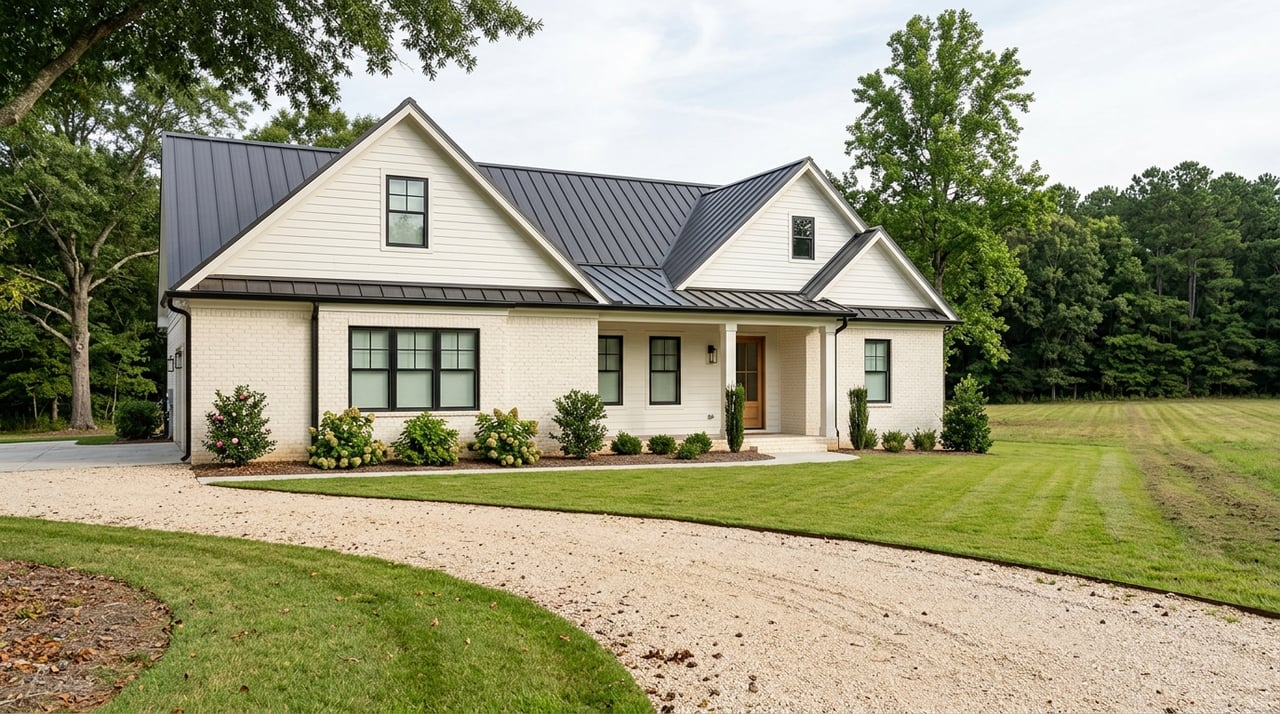
A strong presentation often highlights the driveway approach, road frontage, cleared or pasture areas, outbuildings, tree lines, drainage features, and any visible shared access points. These are the details that help a buyer picture how the property functions.
This is also where professional preparation matters. A thoughtful marketing plan can pair strong visuals with organized documentation so buyers see both the lifestyle appeal and the practical facts behind the property.
A simple pre-listing checklist
Before you list a home with acreage near Apex or New Hill, it helps to gather the basics in one place.
- Confirm whether any land is enrolled in present-use value and whether deferred taxes may apply
- Locate the most current survey, plat, or map packet available
- Pull recorded documents related to deeds, easements, covenants, and access rights
- Verify driveway access details if the property connects to a state-maintained road
- Gather well and septic permits or related county records
- Review the property disclosure carefully, including flooding, water, sewage, encroachments, and restrictions
- Identify the features buyers will want to see in marketing, such as frontage, cleared land, outbuildings, and drainage patterns
When you do this work up front, your sale tends to feel more organized and more credible to serious buyers.
Selling acreage well usually comes down to clarity. When buyers can quickly understand the land, the access, the records, and the tax picture, they are in a better position to make a strong decision. If you want experienced local guidance and a high-touch plan for preparing and marketing your property, connect with Hendren Realty Group.
FAQs
What makes selling acreage near Apex and New Hill different from selling a standard homesite?
- Buyers often focus on usable land, access, boundaries, easements, and well or septic details, not just the home itself.
What is present-use value for Wake County area acreage sellers?
- Present-use value is a North Carolina tax program that may tax qualifying agricultural, horticultural, or forest land based on current use rather than market value, with deferred taxes potentially due if eligibility is lost.
Why do Apex and New Hill acreage buyers ask about access?
- Access matters because driveway connections, recorded ingress and egress, and road frontage can affect how the property is used and how easily buyers can evaluate it.
What documents help most when selling a home with acreage in Wake County?
- A current survey or map packet, recorded deeds and easements, well and septic records, and completed disclosures usually help answer the most common buyer questions.
Do North Carolina acreage sellers need to disclose well, septic, or flooding issues?
- Yes. North Carolina residential disclosures cover water supply, sanitary sewage, and other material property conditions, and the current form includes more detailed flooding questions.
Can a parcel near Apex or New Hill be divided in the future?
- Possibly, but it depends on local rules, access requirements, zoning, and lot standards, so sellers should present only what has been verified through the applicable records and standards.