Looking for a place where you can grab coffee, browse local shops, enjoy a park, and head to dinner without constantly getting back in the car? In Fuquay-Varina, that lifestyle is most realistic in and around the downtown core, with a few growing pockets beyond it. If you are trying to understand what walkable living really looks like here, this guide will help you set clear expectations on location, housing, and daily convenience. Let’s dive in.
What walkable living means here
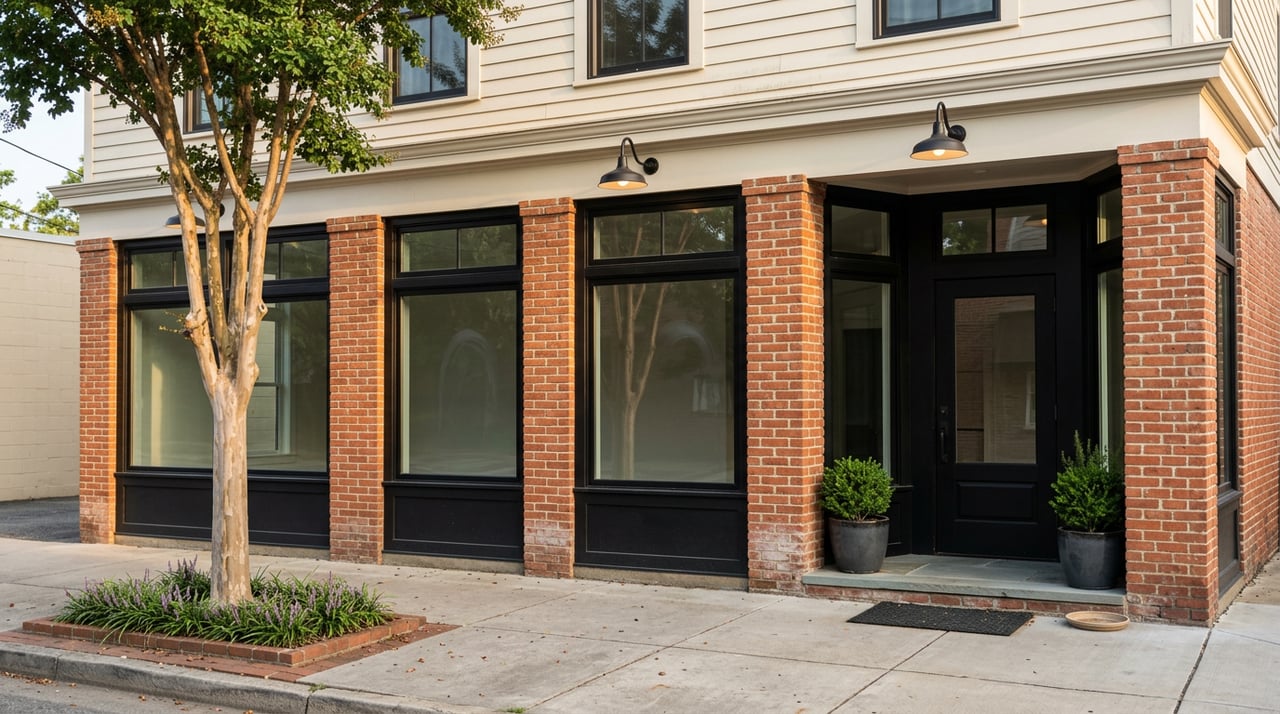
In Fuquay-Varina, walkability is strongest in a concentrated area rather than spread evenly across town. The town identifies its downtown core through the DC-1 and DC-2 zoning districts and describes downtown as a mixed-use destination designed for pedestrian-friendly activity, architectural continuity, and unique living and shopping opportunities.
That matters because Fuquay-Varina covers about 12.2 square miles and is also connected by major highways. In practical terms, you will usually find the most car-light lifestyle where the town has intentionally added density, sidewalks, mixed-use buildings, and trail connections.
Downtown offers the easiest car-light routine
If your goal is to park once and enjoy several stops in one outing, downtown Fuquay-Varina gives you the best shot. The town’s own visitor information highlights a cluster of coffee shops, bakeries, restaurants, retail spots, and local attractions that are close enough to bundle together.
That mix includes places like Stick Boy Bread Company, Cultivate Coffee Roasters, The Mill, KnB's Marketplace, Ashworth's Clothing, Anna's Pizzeria, Mason Jar Tavern, Vicious Fishes, and El Cantarito Bar and Grill. The Fuquay-Varina Growers Market also adds a seasonal option for shopping local produce.
Downtown includes more than shops
Walkable living is not just about errands. It also feels more useful and enjoyable when there are public spaces, events, and cultural stops nearby.
Downtown Fuquay-Varina includes the Fuquay-Varina Arts Center, Fuquay Mineral Spring, the Fuquay-Varina Museum, and Ashworth Park as part of the broader experience. First Fridays add another layer, bringing live music, local shopping, food, and community activities on the first Friday of each month from 5:00 pm to 9:00 pm.
The social district supports strolling downtown
Another feature that shapes the downtown experience is the social district. According to the town, adults can carry qualifying beverages through defined downtown areas every day from 12:00 pm to 10:00 pm when drinks are purchased from participating ABC-permitted businesses and consumed within district boundaries.
For many buyers, that adds to the appeal of spending more time on foot downtown. It helps create a setting where an afternoon or evening can flow from one stop to the next without needing to drive between them.
Parking still matters downtown
Even in the most walkable part of town, parking is part of the equation. Fuquay-Varina manages public parking lots downtown and provides parking maps for both downtown areas.
That setup reflects the way walkability works here. You may still drive into downtown, but once you arrive, the area is designed to make walking between destinations easier and more practical.
Mixed-use growth is expanding downtown options
Fuquay-Varina’s downtown planning shows that walkable living is not standing still. The Q, which opened in 2021, combines retail on the first floor, office space on the second, and residential units above.
The town also identifies a preferred downtown mixed-use project with about 244 apartments, 20,000 square feet of retail, and a 420-space public parking deck. Together, those projects point to more urban-style living options for buyers who want convenience and lower-maintenance housing near downtown activity.
Walkable pockets extend beyond downtown
Outside the core, walkability tends to be more pocketed and connection-based. In other words, you are usually looking for a neighborhood or corridor that links to parks, trails, greenways, or newer sidewalk projects rather than a fully walkable street grid.
The town’s Parks and Recreation Department says Fuquay-Varina maintains 18 parks across more than 300 acres. The town also operates 11 trails and greenways, giving residents more ways to walk or bike between recreational spaces and nearby neighborhoods.
Parks and trails that support walking
Several local amenities stand out for everyday use. Alston Ridge Park has a 0.4-mile paved loop, Fuquay Mineral Spring Park has 0.2 miles of walking paths, South Park has a 0.36-mile walking track, and the Jeff Wells Trail runs 0.7 miles between South Park and Carroll Howard Johnson Environmental Education Park.
The Park Depot Greenway and South Lakes Greenway add longer 2-mile walking and biking corridors. South Lakes Greenway also connects the South Lakes and Meadow Brook communities, Willow Spring High School, and Honeycutt Road Park.
Sidewalk projects are still improving access
If you are thinking long term, it is worth knowing that pedestrian infrastructure remains an active town priority. The Downtown Varina Pedestrian Improvements project is adding nearly 4,000 linear feet of sidewalk, curb and gutter, and handicap ramps on North Street and Ransdell Road near the new high school.
The town has also adopted a 2022 Pedestrian Plan and a 2024 Comprehensive Transportation Plan. That does not mean every area is walkable today, but it does show continued investment in better connections.
What homes near walkable areas look like
Housing near Fuquay-Varina’s walkable areas is not one-size-fits-all. Around the historic downtown area, you will often see older homes and residential patterns that differ from newer suburban neighborhoods.
The Fuquay Springs Historic District includes Colonial Revival, Tudor Revival, Period Cottage, Craftsman, and Minimal Traditional homes. Some larger homes in the district sit farther back on larger lots, which means a walkable location does not always translate to a compact urban feel.
Newer housing adds lower-maintenance choices
Downtown also includes newer housing formats. The Q added residential units above commercial space, and future mixed-use development may bring more apartments into the downtown setting.
For buyers who want less exterior upkeep and easy access to downtown destinations, that kind of housing can be especially appealing. It creates options beyond traditional detached homes, especially for first-time buyers, downsizers, or anyone looking for a simpler day-to-day routine.
Price expectations for walkable living
Price is one of the biggest questions buyers ask about walkable areas, and the answer in Fuquay-Varina depends on housing type and exact location. Citywide, Redfin reported a median sale price of $464,722 in May 2026, with homes selling in about 38 days.
By property type, Redfin’s city guide shows median sale prices of $489,251 for single-family homes, $313,807 for townhouses, and $247,406 for condos and co-ops. That range is useful because walkable living here can mean anything from a townhome near downtown to a larger older home on a bigger lot.
Downtown prices vary more than you might expect
Neighborhood-level data shows that walkability does not fit one price band. Redfin lists Fuquay-Varina Downtown at a median sale price around $409,965, while South Lakes is listed at $520,000.
That spread suggests you should look beyond the word “walkable” and focus on the kind of home you want. Lot size, age, condition, and whether the home is a townhome, condo, or detached house can all influence pricing as much as proximity to downtown or trails.
Listings show a broad range
Recent downtown-area listings help illustrate the variety. New-construction townhomes in the downtown neighborhood have recently been listed in the high-$300,000s to low-$400,000s, while larger or more distinctive properties can reach much higher depending on acreage and condition.
That range is important if you are budgeting for a walkable lifestyle. The location may be a major draw, but the actual price point still depends on the property itself.
How to choose the right walkable fit
The best walkable match depends on how you define convenience. Some buyers want coffee shops, dining, and events within a short walk, while others care more about trail access, park loops, or sidewalks that make daily exercise easier.
A helpful way to narrow your search is to think about your real routine. Ask yourself whether you want to walk to restaurants and retail, enjoy nearby greenways, or simply live in a place where you can drive less often for small outings.
Good questions to ask as you search
Before you choose a home, consider these practical questions:
- Can you comfortably walk to the places you will use most often?
- Are sidewalks or trail connections already in place?
- Do you prefer historic character, newer townhome living, or a lower-maintenance apartment-style setup?
- Will parking, lot size, or stairs affect your day-to-day comfort?
- Are you buying for your lifestyle today, or also for resale appeal later?
These questions can help you compare two homes that both sound “walkable” on paper but feel very different in real life.
The bottom line on walkable living
Fuquay-Varina offers a real walkable lifestyle, but it is most accurate to think of it as downtown-centered with expanding connections beyond the core. If you want the strongest chance of a car-light routine, downtown Fuquay, downtown Varina, and the neighborhoods tied closely to parks, greenways, and pedestrian improvements are the places to watch.
If you want help sorting through which homes truly match your routine, budget, and long-term goals, Hendren Realty Group can help you compare options across Fuquay-Varina and the rest of Wake County with clear, local guidance.
FAQs
What does walkable living in Fuquay-Varina usually mean?
- It usually means living in or near the downtown core, or in a neighborhood with good access to parks, trails, greenways, and sidewalks rather than living in a fully walkable townwide grid.
Which part of Fuquay-Varina is most walkable for daily outings?
- Downtown Fuquay-Varina is the most practical area for bundling coffee, dining, shopping, parks, and local attractions into one walkable outing.
Are there walkable neighborhoods outside downtown Fuquay-Varina?
- Yes, but they are usually pocket areas connected by trails, greenways, parks, or newer sidewalk projects rather than large fully walkable districts.
What types of homes are common near walkable areas in Fuquay-Varina?
- You may find older historic homes, newer townhomes, mixed-use residential units, and other housing types depending on how close you are to downtown or connected trail corridors.
How much do walkable homes in Fuquay-Varina cost?
- Pricing varies by housing type and location, with citywide median sale prices in May 2026 reported at $464,722 and downtown median pricing around $410,000 according to Redfin data cited in the research.
Is Fuquay-Varina adding more pedestrian-friendly infrastructure?
- Yes, the town has active sidewalk improvements underway and has adopted both a Pedestrian Plan and a Comprehensive Transportation Plan to support better future connectivity.