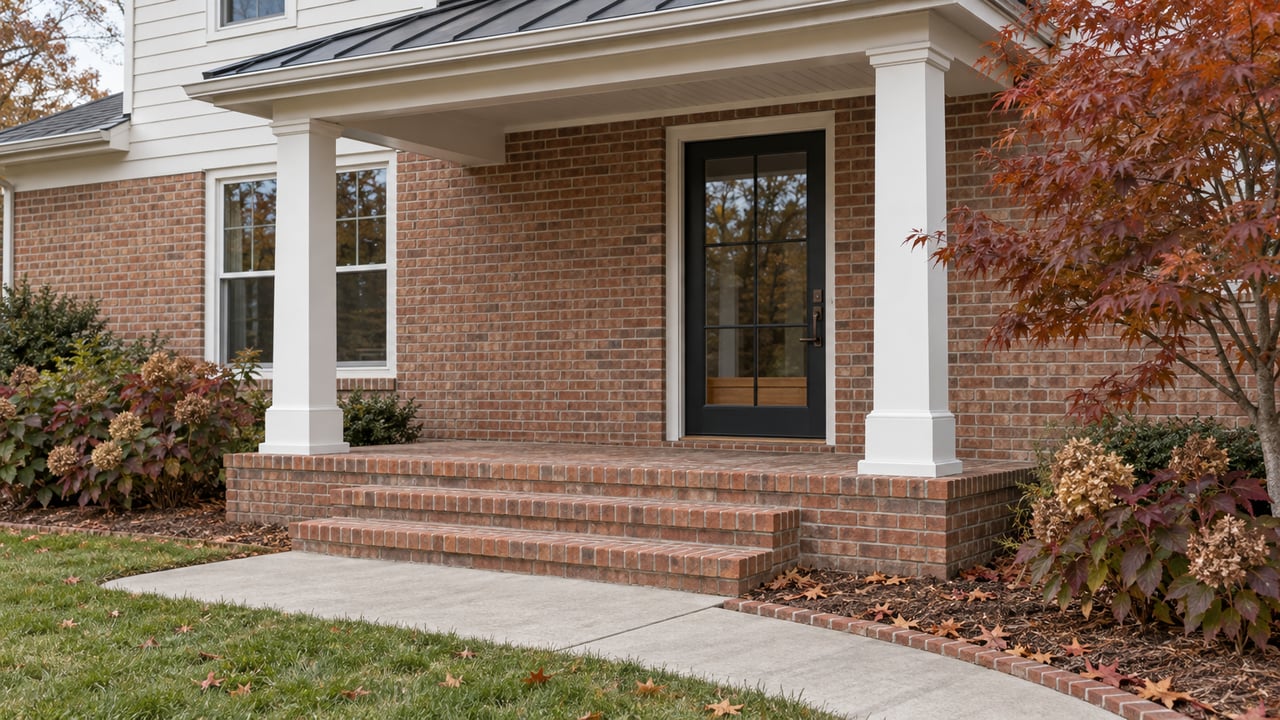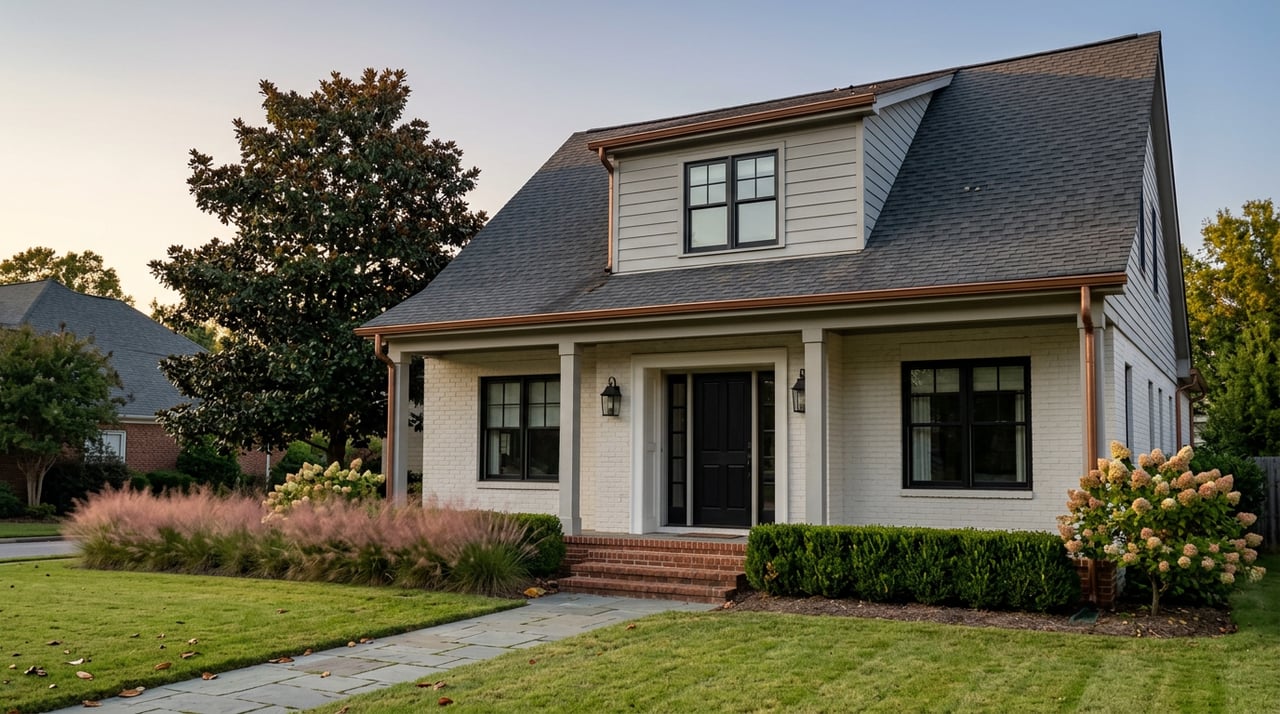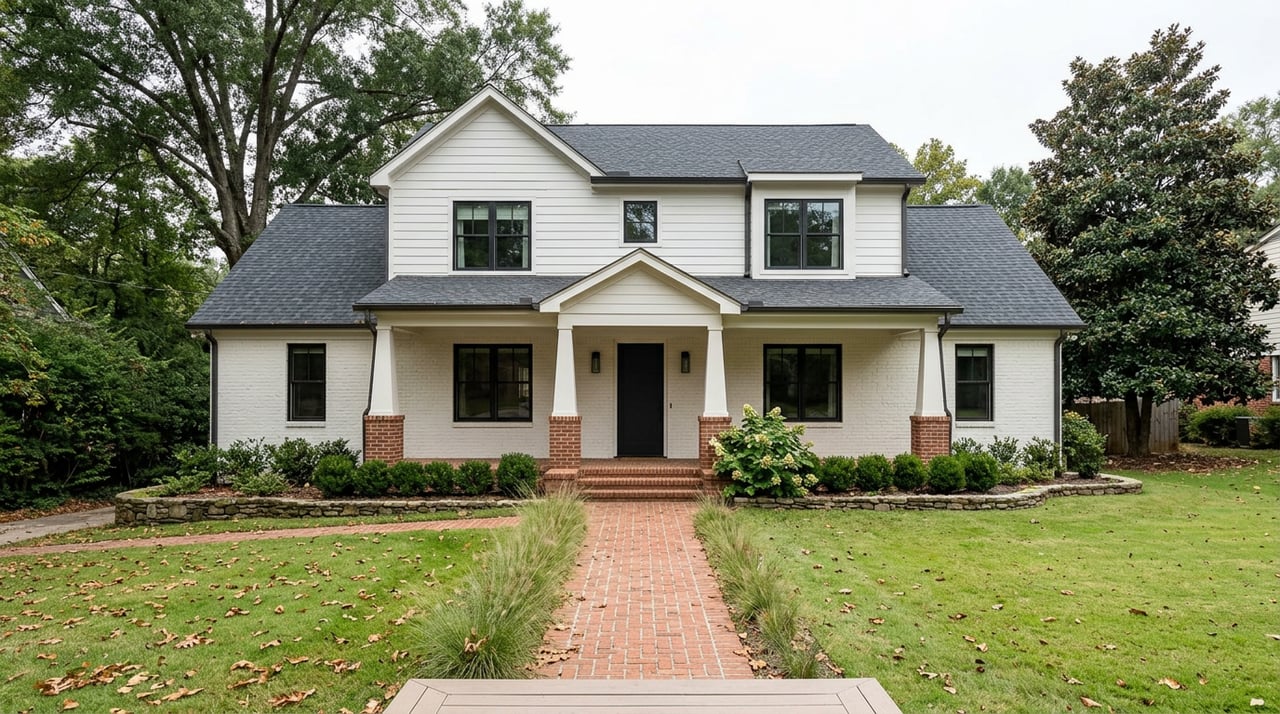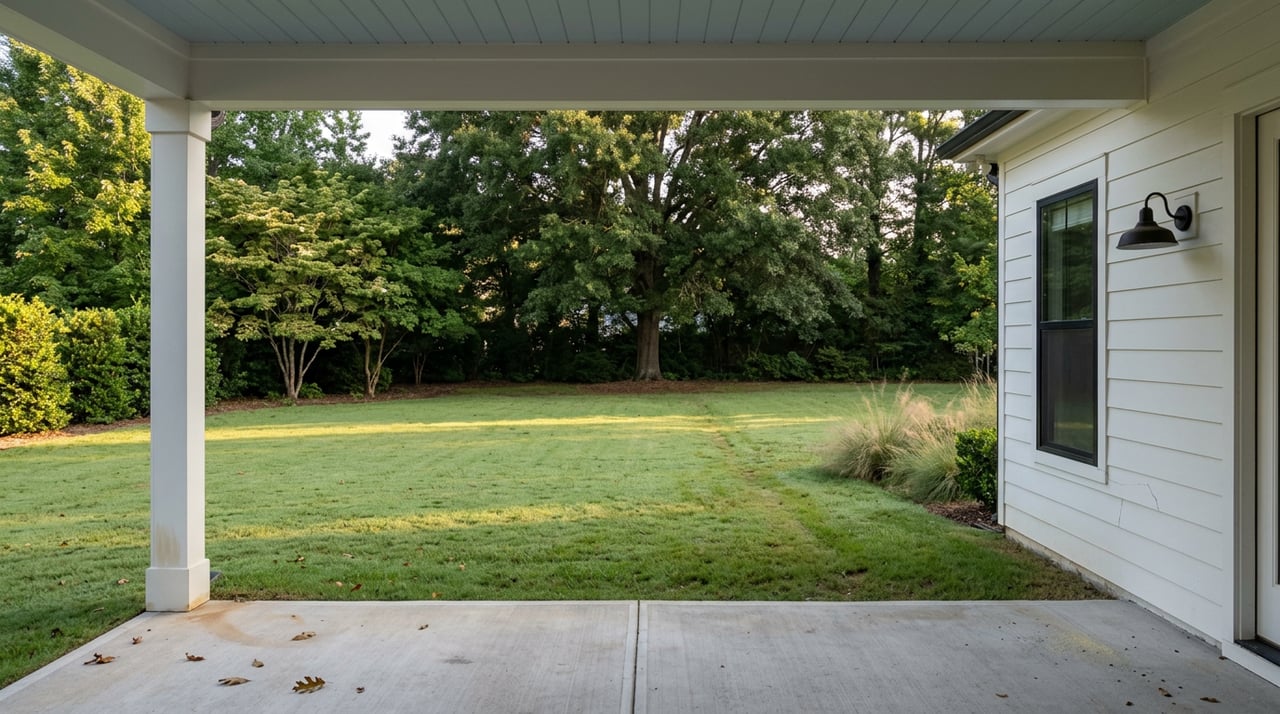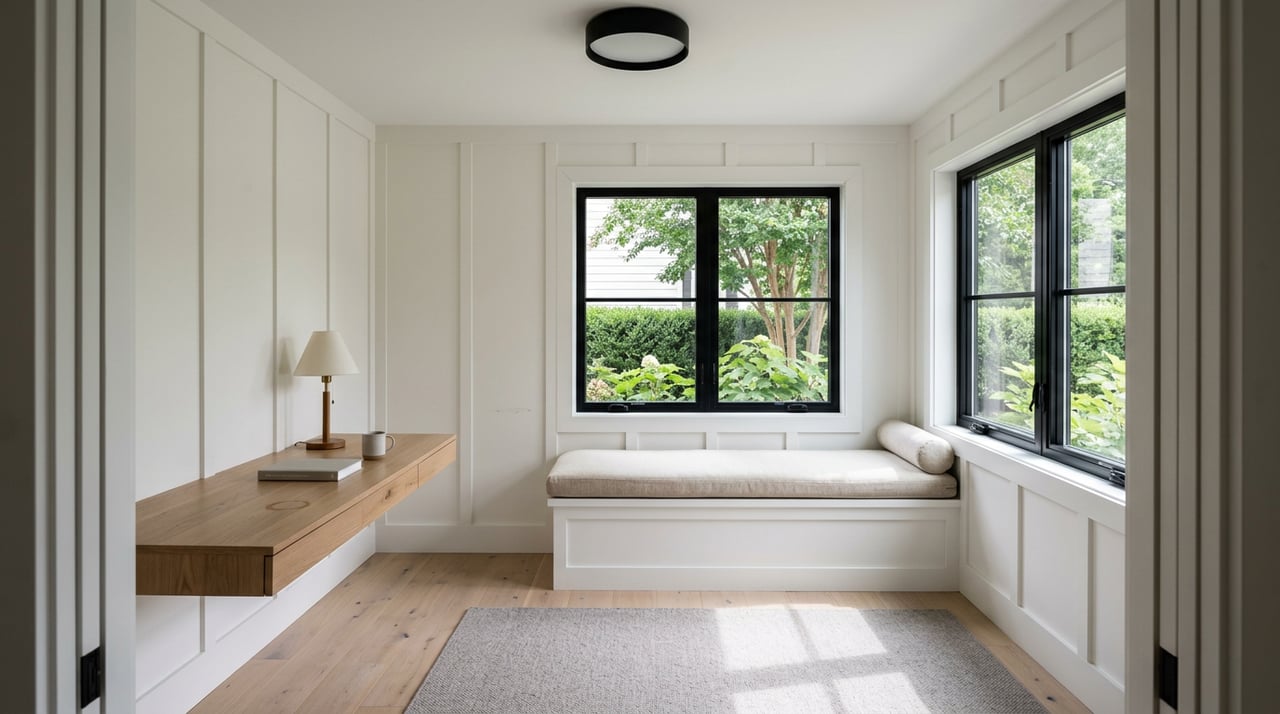
Wondering if it makes sense to stay in Fuquay-Varina and move into a bigger or better-fitting home? You are not alone. Many local homeowners reach a point where their current house no longer fits their space, layout, or lifestyle needs, but the idea of buying and selling at the same time can feel complicated. The good news is that with the right plan, you can make a smart move that protects your budget and reduces stress. Let’s dive in.
Why move-up buyers stay in Fuquay-Varina
Fuquay-Varina is still growing, which makes it a practical place to plan your next chapter. Census QuickFacts estimates the population at 48,536 as of July 1, 2025, up from 34,152 in the 2020 Census. The town also reports continued growth in building permits and tracks residential projects that are proposed, approved, under construction, or completed.
That growth matters if you want more options without leaving the community you already know. It means you may be able to compare established resale neighborhoods with newer homes and communities that are still coming online. For many homeowners, that creates more flexibility when it is time to move up.
Fuquay-Varina also has a strong ownership base. Census QuickFacts shows a 74.2% owner-occupied rate, a median owner-occupied home value of $451,500, and a median household income of $115,497 for 2020 through 2024. In simple terms, this is an active ownership market where move-up buyers are a meaningful part of the local housing picture.
What the local market means for your move
If you are trying to time your move, current market conditions suggest a more balanced environment than the overheated market many buyers remember. Realtor.com labeled Fuquay-Varina balanced in May 2026, while Redfin described it as somewhat competitive. Across the major portals, homes were generally selling in about 38 to 42 days, though Zillow reported 18 days to pending based on its own methodology.
The exact inventory count varies by platform, so it is best to treat those numbers as directional rather than exact. Still, the bigger takeaway is helpful: homes are moving, but buyers may have a little more breathing room than they did in a very tight seller market. That can make planning a move-up purchase more manageable.
Median pricing across the portals was also fairly consistent. Realtor.com reported a median listing price of $465,000, and Redfin showed a median sale price of $464,722. If you already own in Fuquay-Varina, those figures can help frame what your current equity may be able to do for your next purchase.
Start with your equity position
Before you browse listings seriously, get clear on your likely equity. A simple planning formula is this: your current market value minus your mortgage payoff minus selling costs. What remains is the amount you may be able to use toward your next down payment, closing costs, and moving-related expenses.
This is where local pricing matters. Online home-value tools can give you a rough range, but the numbers can vary from one portal to another. For a move-up plan, a local comparative market analysis is usually more useful than relying on one automated estimate.
Your equity is not just about whether you can buy the next home. It also affects how comfortably you can handle closing costs, movers, repairs, and any overlap between homes. A stronger equity position gives you more flexibility if your timeline changes.
Budget for more than the mortgage
A move-up home often comes with a larger monthly payment, but that is only part of the picture. You also need to think about property taxes, insurance, HOA dues if applicable, maintenance, and possible updates after closing. Even furniture and storage costs can become part of the equation.
In Fuquay-Varina, local property taxes are an important planning detail. The town adopted a local property tax rate of $0.378 per $100 of assessed value, and Wake County's FY2027 budget shows a county general-fund rate of 53.71 cents per $100. Combined, that is about $0.9151 per $100 of assessed value, or roughly $915 per $100,000, before any special assessments or exemptions.
That means a larger home may affect your monthly budget in more ways than just principal and interest. Comparing the full monthly payment between your current home and your next one can help you avoid surprises.
Get preapproved before you make offers
If you are serious about moving, preapproval should happen early. The Consumer Financial Protection Bureau says a preapproval letter helps you shop, shows sellers you are likely to get financing, and gives you a realistic budget range. It is not a guaranteed loan offer, and it can expire, often within 30 to 60 days.
Preapproval is especially important when you are juggling a sale and a purchase. It helps you understand what price range feels comfortable, not just what a lender may approve. That distinction matters when you are trying to keep your next home aligned with your broader financial goals.
The CFPB also recommends comparing at least three lenders. Even small differences in rate, fees, or loan structure can affect your monthly payment and your available cash at closing.
Sell first or buy first in North Carolina?
For many move-up homeowners, this is the biggest question. In North Carolina, the answer often leans toward selling first, especially if carrying two homes at once would strain your finances. That is partly because of how the due diligence process works here.
The North Carolina Real Estate Commission explains that during the due diligence period, a buyer can investigate the property and terminate for any reason or no reason before the deadline. However, the due diligence fee is usually nonrefundable. Once the due diligence period ends, earnest money can also be at risk.
That creates a real timing issue if you buy before your current home is sold. If your plans change late in the process, the cost of backing out can be significant. For that reason, many homeowners prefer to sell first unless they have strong cash reserves, solid financing, or a clear temporary housing plan.
When selling first makes the most sense
Selling first may be the safer route if you need the proceeds from your current home to fund the next one. It can also be the better option if you want a firm budget before you shop. Knowing your actual sale price and net proceeds can make your next decision much easier.
Selling first may also reduce stress if you are watching your monthly cash flow closely. You will not be guessing about how long you can carry overlap or whether you need to stretch your budget just to win a home.
The tradeoff is that you may need flexible housing between closings. Depending on your timeline, that could mean negotiating a leaseback, arranging short-term housing, or planning for a gap between transactions.
When buying first may work
Buying first can work if you have enough cash reserves to handle overlap or if your financing allows you to move without depending immediately on sale proceeds. It may also appeal to you if finding the right next home is your top priority and you do not want to feel rushed after your current home sells.
Still, this path requires careful planning. If inspections, financing milestones, or contract deadlines need more time, any extension has to be negotiated with the seller. In a move-up scenario, that makes coordination and communication especially important.
New construction or resale?
Fuquay-Varina gives move-up buyers a real choice between new construction and resale homes. The town continues to track a substantial development pipeline, and it reports record-setting building permit activity. That means new-build opportunities are not limited to a handful of scattered homes.
At the same time, resale homes remain an important part of the market. Depending on your goals, an existing home may offer a more established setting, faster move-in timing, or features that are harder to find in a new build.
The better question is not which option is universally better. The smarter question is which one fits your timeline, budget, and space needs for the next five to ten years.
Compare timing and certainty
If you need to move on a defined schedule, timing matters. Some resale homes may allow for a quicker closing, while some new construction homes may involve build timelines or changing completion dates. That uncertainty can be manageable, but it should be part of your plan.
If your current home needs to sell first, a resale purchase may be easier to coordinate in some cases. On the other hand, available builder inventory could offer a path if the timeline lines up well.
Compare monthly cost
Do not compare homes on price alone. Look at the full monthly cost, including taxes, insurance, HOA dues, and any expected maintenance or upgrades. In Fuquay-Varina, the combined local tax rate makes this especially important as you look at larger or higher-priced homes.
Compare fit for the next stage
A move-up decision should solve more than one problem. You may want more bedrooms, a better layout for working from home, a first-floor primary suite, more outdoor space, or less maintenance. The key is choosing a home that supports your likely needs over the next several years, not just what feels exciting today.
A simple move-up planning checklist
If you are thinking about your next home in Fuquay-Varina, this checklist can help you start:
- Estimate your current equity with a local comparative market analysis
- Review your mortgage payoff and likely selling costs
- Set a comfortable monthly budget for the next home
- Get preapproved before making serious offers
- Decide whether selling first or buying first fits your finances
- Compare new construction and resale based on timing and total cost
- Plan for closing costs, moving expenses, and possible overlap
- Think about how long the next home needs to fit your household
Why local guidance matters
Move-up decisions are rarely just about square footage. You are balancing timing, equity, financing, and lifestyle changes all at once. In a growing market like Fuquay-Varina, small choices can have a big impact on how smooth your move feels.
That is why many homeowners benefit from a plan built around local market knowledge, clear communication, and realistic timelines. Whether you are preparing your current home for the market or comparing the pros and cons of resale versus new construction, having a steady guide can make the process much easier.
If you are thinking about moving up within Fuquay-Varina, Hendren Realty Group can help you understand your equity, map out your timing, and create a practical plan for buying and selling with confidence.
FAQs
What does moving up within Fuquay-Varina usually mean?
- It usually means selling your current home and buying another home that better fits your next stage, whether that means more space, a different layout, or features that match your current needs.
How much equity do you need to move up in Fuquay-Varina?
- You generally need enough equity to cover your mortgage payoff, selling costs, and at least part of the down payment and closing costs on your next home.
Should you sell your Fuquay-Varina home before buying the next one?
- Often yes, especially if you cannot comfortably afford overlap, because North Carolina due diligence rules can make late-stage cancellation costly.
When should you get preapproved for a move-up home in Fuquay-Varina?
- You should get preapproved before making serious offers so you understand your budget and can show sellers you are a more prepared buyer.
How should you compare new construction and resale homes in Fuquay-Varina?
- Compare total monthly payment, taxes, HOA dues, timing, and how well each home fits your likely needs over the next five to ten years.