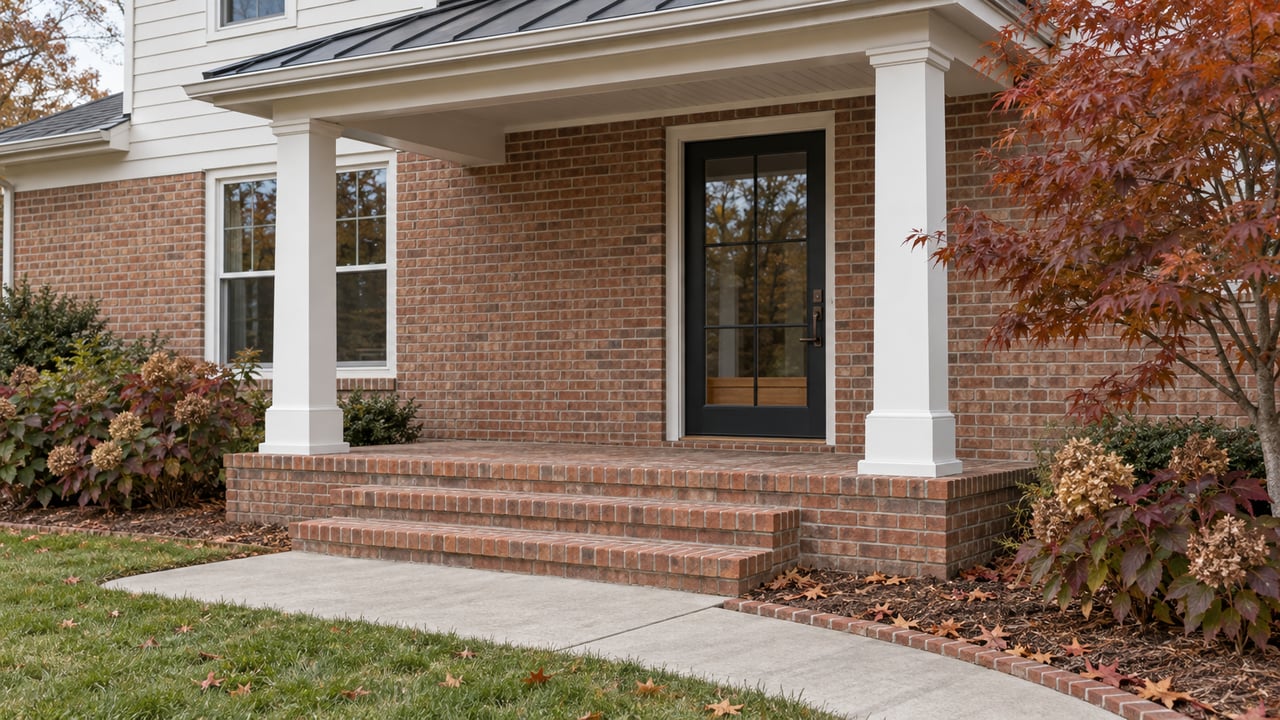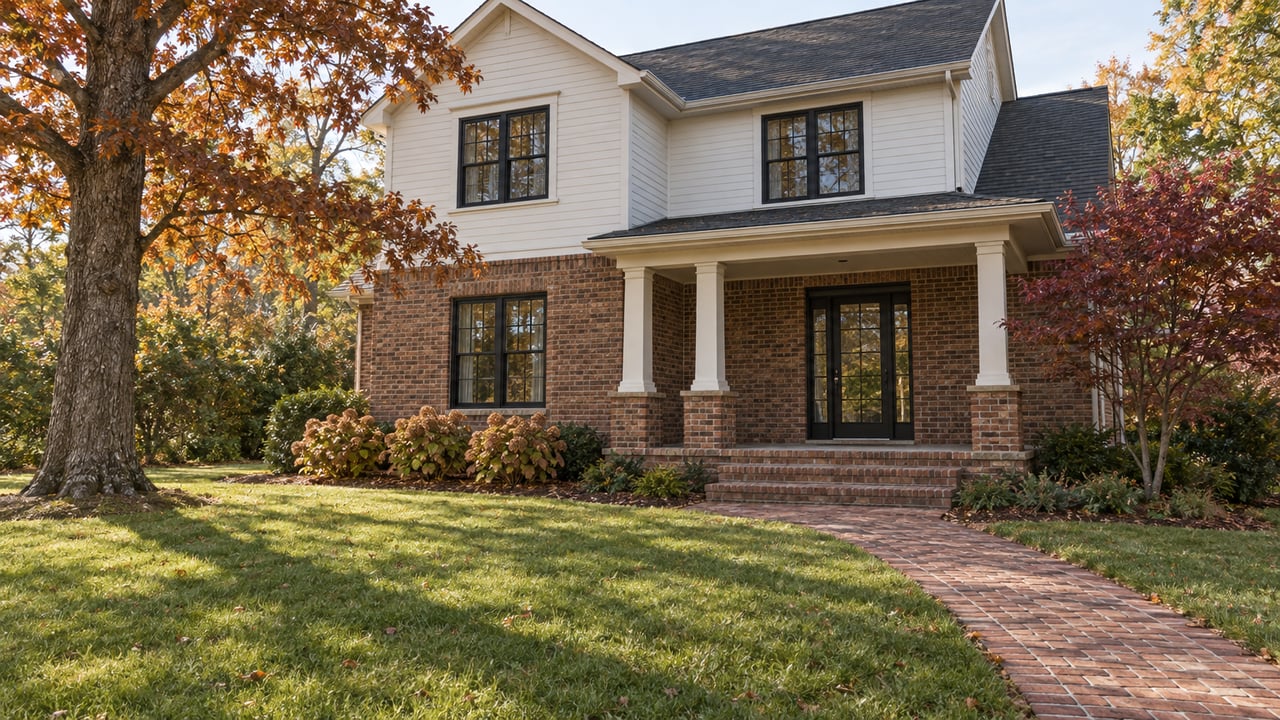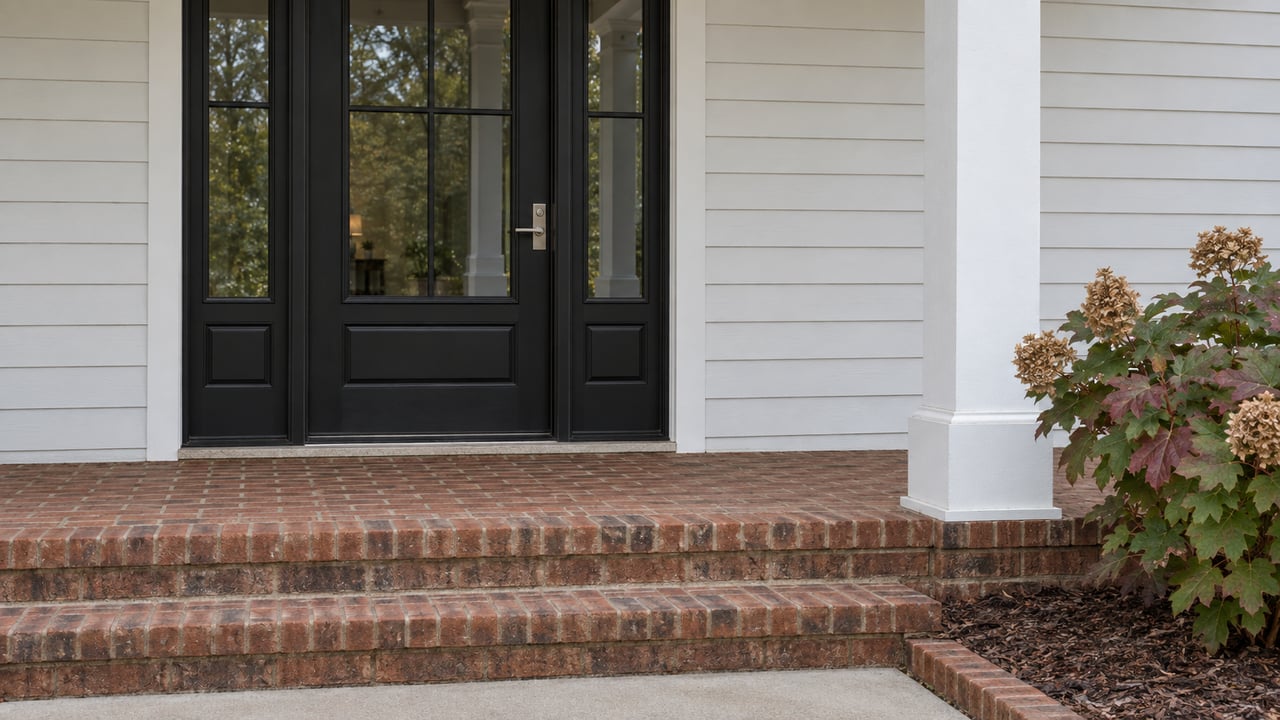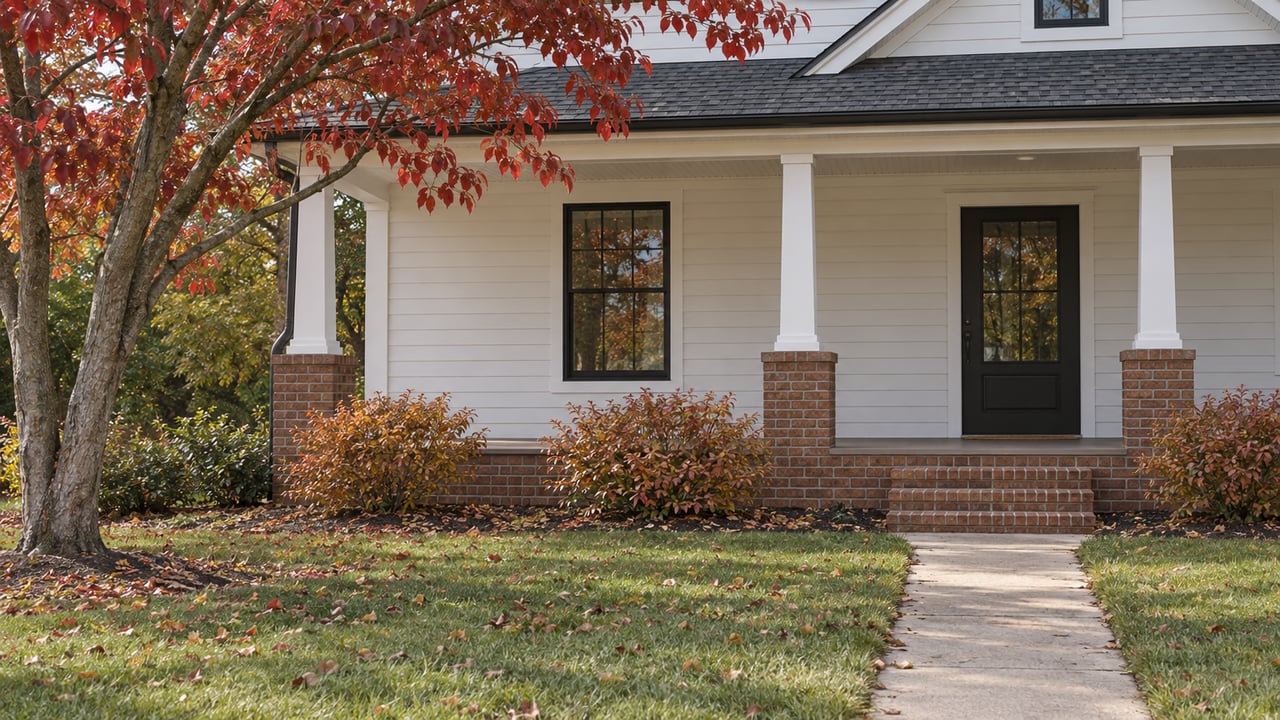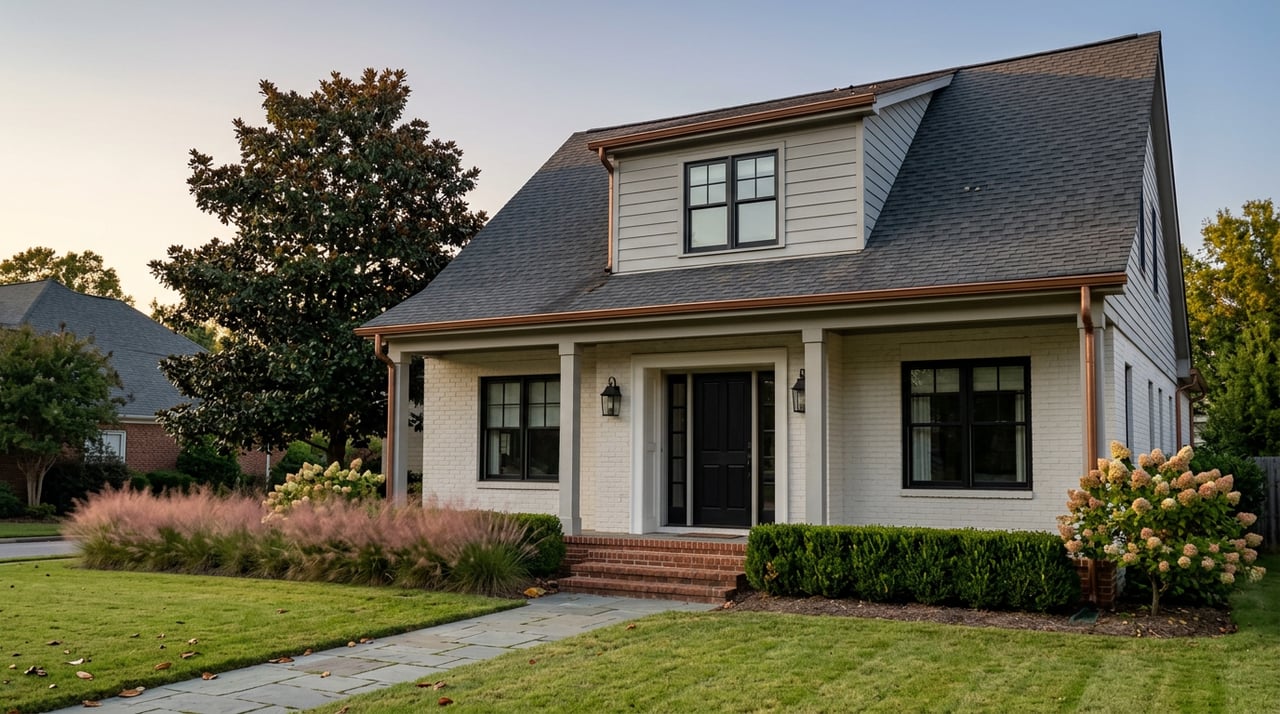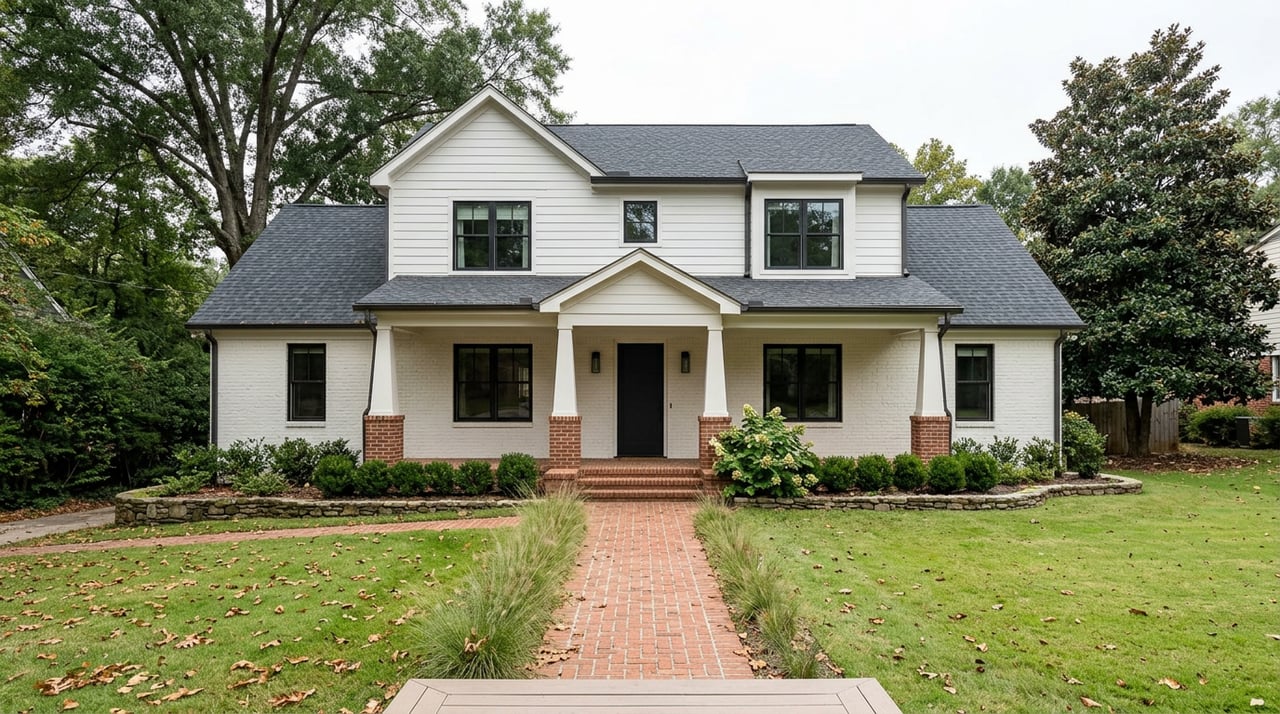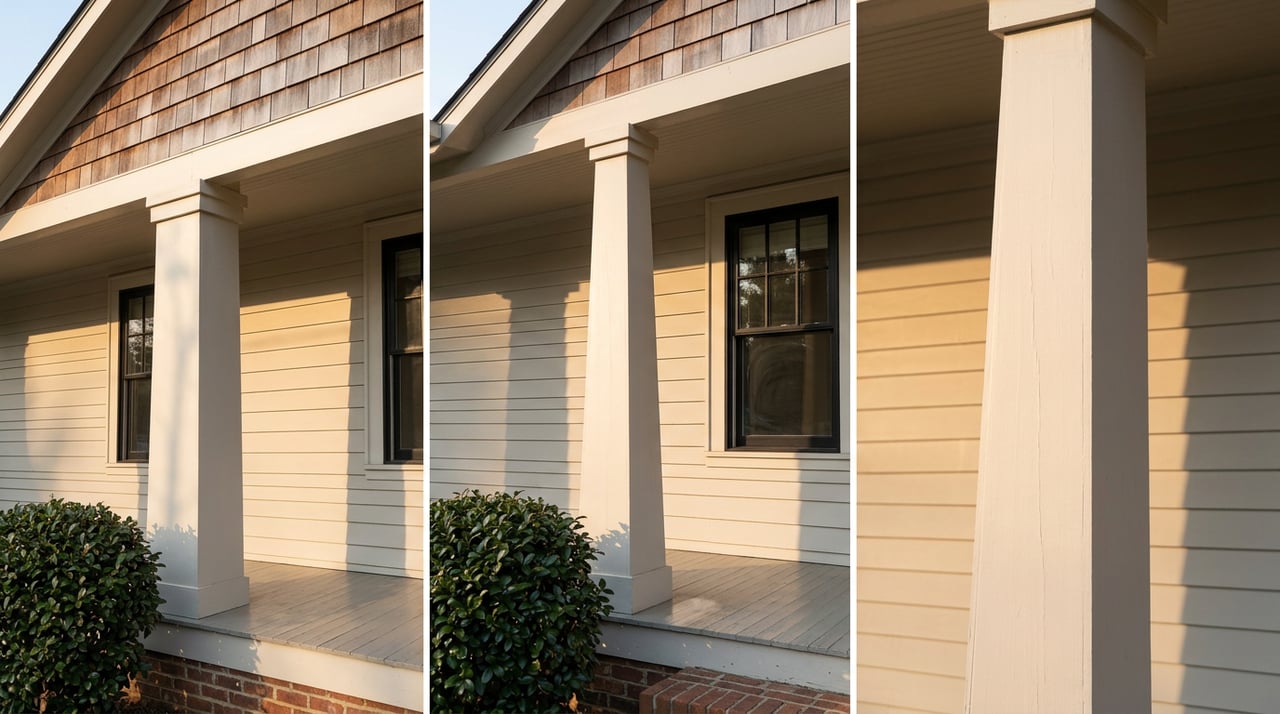
Say you close on a 1920s bungalow in Boylan Heights. The inspection came back clean, the porch columns are original, and you've already picked out the black-framed storm windows you want to install before winter. Then you call a contractor, and the first thing they ask is whether you've filed for a Certificate of Appropriateness.
You haven't. You didn't know you needed one.
This is the moment where a lot of buyers in Raleigh's older neighborhoods discover that "historic" is doing two different jobs in the same sentence, and only one of those jobs comes with rules attached.
Two labels, one word
Raleigh's older core is full of homes that get called historic in listing copy, in conversation, in the way a neighbor describes their own street. But in the city's own paperwork, a home can carry two entirely separate designations, and they don't always overlap.
The first is the National Register of Historic Places, run by the National Park Service with help from the North Carolina State Historic Preservation Office. Getting listed here is largely honorary. It documents that a neighborhood or building has historical or architectural significance, and the City of Raleigh's Boylan Heights guidance says it can unlock state and federal historic tax credit programs for rehabilitation work on contributing properties. It does not, by itself, restrict what you can do to your house.
The second is a local Historic Overlay District, or HOD, designated by Raleigh City Council and administered by the Raleigh Historic Development Commission. This is the one with teeth. If your property sits inside a local HOD, Raleigh Planning says exterior changes covered by the district's regulations require a Certificate of Appropriateness before the city will even accept a building permit application. That can include windows, siding, fences, additions, paint on certain features, and demolition.
Raleigh currently recognizes five local Historic Overlay Districts: Blount Street, Boylan Heights, Capitol Square, Moore Square, and Oakwood. A property can be in the National Register without sitting inside any of these five boundaries, which means no COA requirement at all. Or it can be inside one of these five districts and also happen to be a contributing structure in a national historic district, which stacks the paperwork on both ends: renovation review from the city, and tax credit eligibility from the state.
The overlap looks obvious from the street. It is not obvious on a title report, and it is rarely spelled out in an MLS listing.
What actually gets reviewed, and how long it takes
If your bungalow sits inside one of Raleigh's five local HODs, the Certificate of Appropriateness process splits into two tracks, and which track you land on changes your timeline more than almost anything else in the renovation.
Minor Work applications get reviewed by city planning staff. Window replacement that matches existing style, in-kind repairs, some fence and paint work often falls here, and turnaround tends to be measured in weeks rather than months.
Major Work is a different animal. These applications go before the COA Committee of the Raleigh Historic Development Commission, a quasi-judicial body of city council appointed citizens who hold a formal evidentiary hearing before deciding. Additions, new construction on a vacant lot, demolition, and anything that changes the visible character of the property in a significant way tends to land here. That means planning around a monthly meeting cycle and published agendas, not a same-week email approval.
Each of the five districts also has its own special character essay, a document that describes the architectural features, spatial patterns, and historic development style specific to that street. Reviewers use it to judge whether your proposed change is congruous with the neighborhood. Oakwood's essay reads differently than Boylan Heights' essay, because the houses are different eras with different rules of thumb, and the guidelines follow suit.
None of this is disclosed at closing in a way that changes your due diligence period. The North Carolina Residential Property Disclosure tells you about the roof and the HVAC. It says nothing about whether the fence you're planning needs a hearing.
The one page that answers the question before you write an offer
The city maintains a mapping tool, iMAPS, specifically so owners can confirm whether a property sits inside a local Historic Overlay District or carries a Historic Landmark designation, separate from checking National Register status. Before you write an offer on anything in Raleigh's older neighborhoods that markets itself as historic, that lookup is worth five minutes.
It matters because the two designations pull in opposite directions financially. A National Register contributing property with no local HOD overlay gives you the tax credit upside with none of the renovation review downside. A property inside a local HOD gives you the review requirement whether or not it ever qualifies for a credit.
If you're the kind of buyer weighing a move-up into a character home with room to grow into, that distinction should shape which streets you tour, not just which houses you love.
Local HOD vs. National Register, side by side
| Local Historic Overlay District | National Register Historic District | |
|---|---|---|
| Who administers it | Raleigh Historic Development Commission, City Council | National Park Service, NC State Historic Preservation Office |
| Restricts exterior changes | Yes, for changes covered by district regulations | No |
| Tax credit eligibility | Not automatic | Available for contributing properties |
| Current Raleigh examples | Blount Street, Boylan Heights, Capitol Square, Moore Square, Oakwood | Overlapping and non-overlapping boundaries, varies by property |
| How to check | City iMAPS tool | Same tool, separate layer |
Before you write the offer
A few questions worth settling while you're still in due diligence, not after you've closed:
- Is the property inside one of the five current local HODs, or only in a National Register district?
- If it's inside a local HOD, does your planned renovation read as Minor Work or Major Work, and can you live with a monthly commission meeting cycle if it's the latter?
- Does the district's special character essay describe your planned materials as congruous, or are you about to ask for an exception?
- If you're counting on a rehabilitation tax credit to help fund the work, is the property actually a contributing structure, not just inside the boundary line?
If you've already worked through our standard Raleigh permit checklist, checking for unpermitted additions, confirming closed inspections, this is the layer that sits on top of it specifically for the city's older, character-heavy blocks.
A few common questions
Does every home in Oakwood or Boylan Heights need a Certificate of Appropriateness for any change? Only exterior changes visible from the street or otherwise covered by the district's regulations. Interior renovations generally fall outside COA review. The city's own guidance also carves out ordinary maintenance and repair that doesn't change a feature's material or appearance.
If my house is only in the National Register district, am I free to renovate however I want? As far as the city's Historic Overlay rules go, yes. What you wouldn't be giving up is the possibility of a state or federal rehabilitation tax credit, since those typically require the property to be a contributing structure under National Register rules.
How long should I budget for a Major Work COA if I'm planning an addition? Enough to plan around a monthly meeting cycle rather than a same-week approval, since Major Work applications go to a scheduled evidentiary hearing before the COA Committee rather than staff sign-off. If your timeline depends on breaking ground by a certain month, that's a conversation to have with the city before you're under contract, not after.
Buying into one of Raleigh's older, character-filled streets is still one of the more rewarding moves in this market. It just rewards buyers who know which label applies to the house they're standing in front of. If you're weighing a move into Oakwood, Boylan Heights, or one of Raleigh's other historic pockets and want a second set of eyes on what the district boundary actually means for your renovation plans, Hendren Realty Group is glad to walk through it with you. Request a free home consultation and valuation, and let's figure out what you're actually buying before you write the offer.
This article is general information, not legal, tax or financial advice. Consult a qualified professional about your situation.