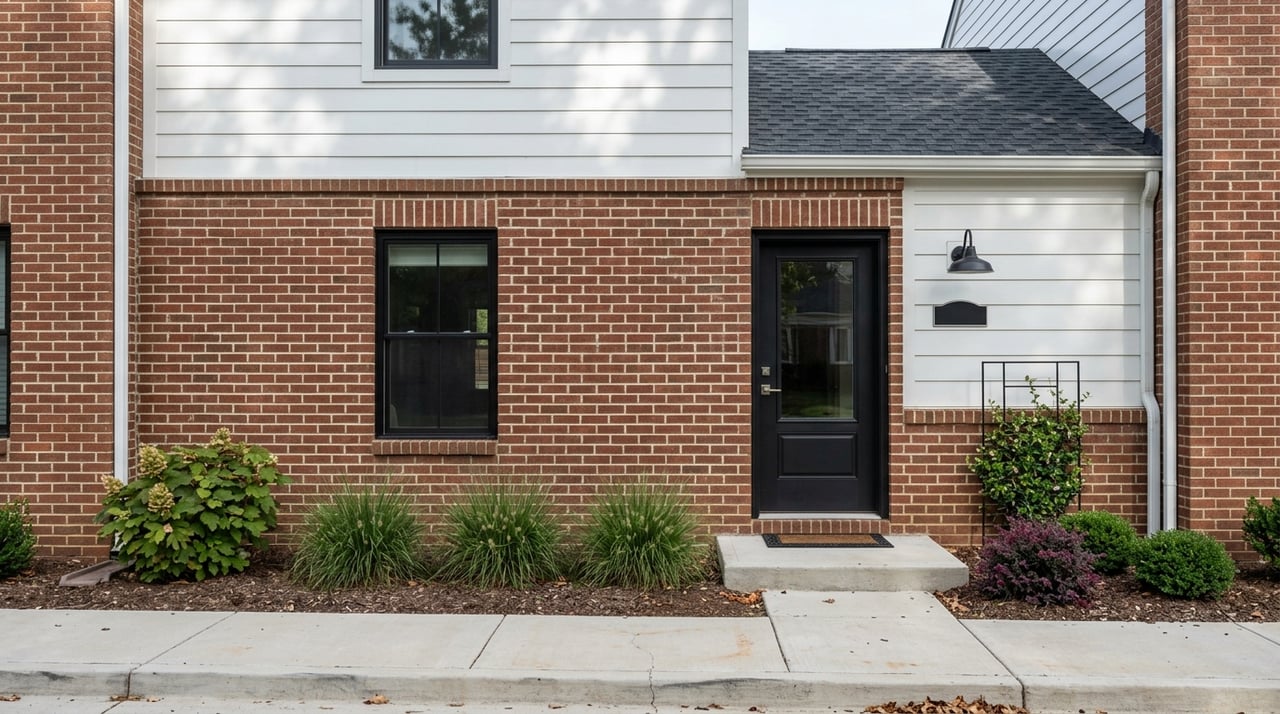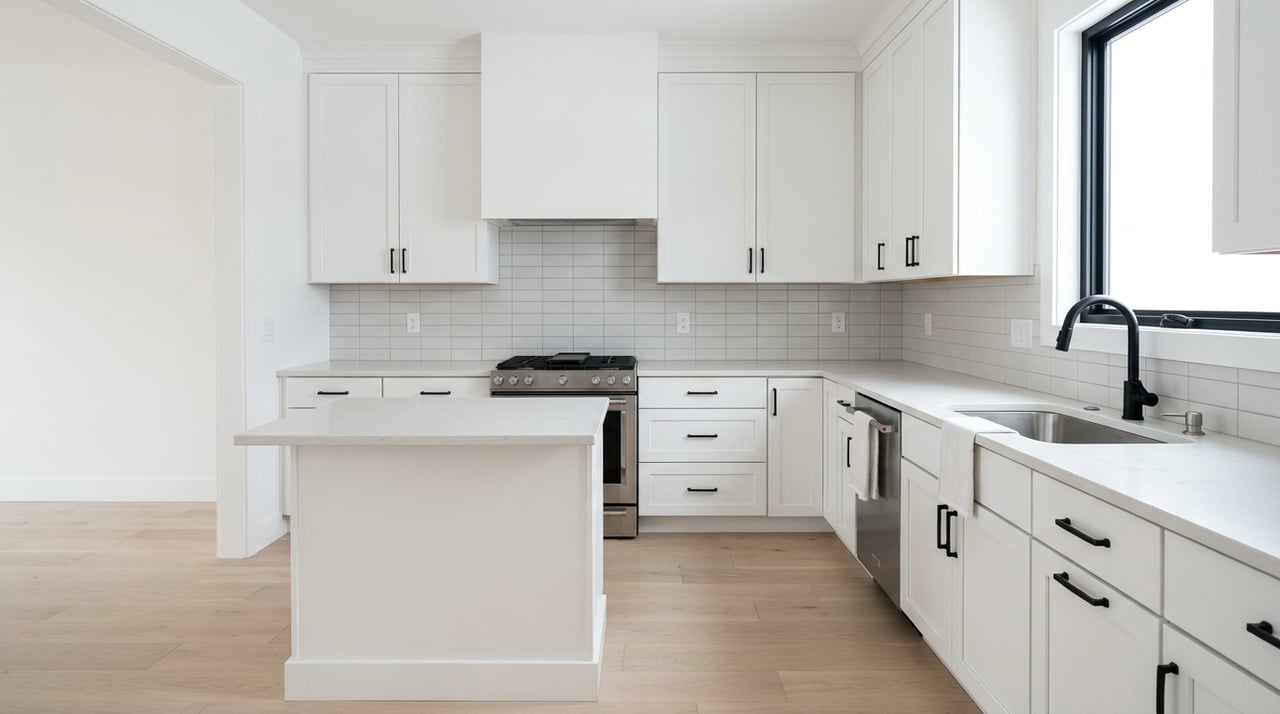
Thinking about buying a Raleigh home as a rental? It can be a smart move, but only if you buy with clear numbers, realistic repair expectations, and a solid understanding of local rules. If you want a property that can hold value, attract tenants, and avoid costly surprises, it helps to know what matters most before you make an offer. Let’s dive in.
Understand Raleigh’s rental landscape
Raleigh is a large and growing market, with an estimated 499,825 residents in 2024. Wake County is even larger at 1,232,444 residents, and Raleigh grew 6.8% from April 2020 to July 2024. The city also has a mixed ownership profile, with an owner-occupied housing unit rate of 51.2% in 2019 to 2023, which points to a market that includes both owners and renters.
That matters if you are buying with rental income in mind. You are not looking at a one-size-fits-all market. Raleigh offers a range of housing types, and the right rental property for you may not be the same as the right home for an owner-occupant.
Consider more than detached homes
In Raleigh, your rental options can include more than a traditional single-family house. The city describes missing-middle housing as duplexes, triplexes, townhouses, and small apartments, and it notes that many of these housing forms were prohibited in many neighborhoods before 2021.
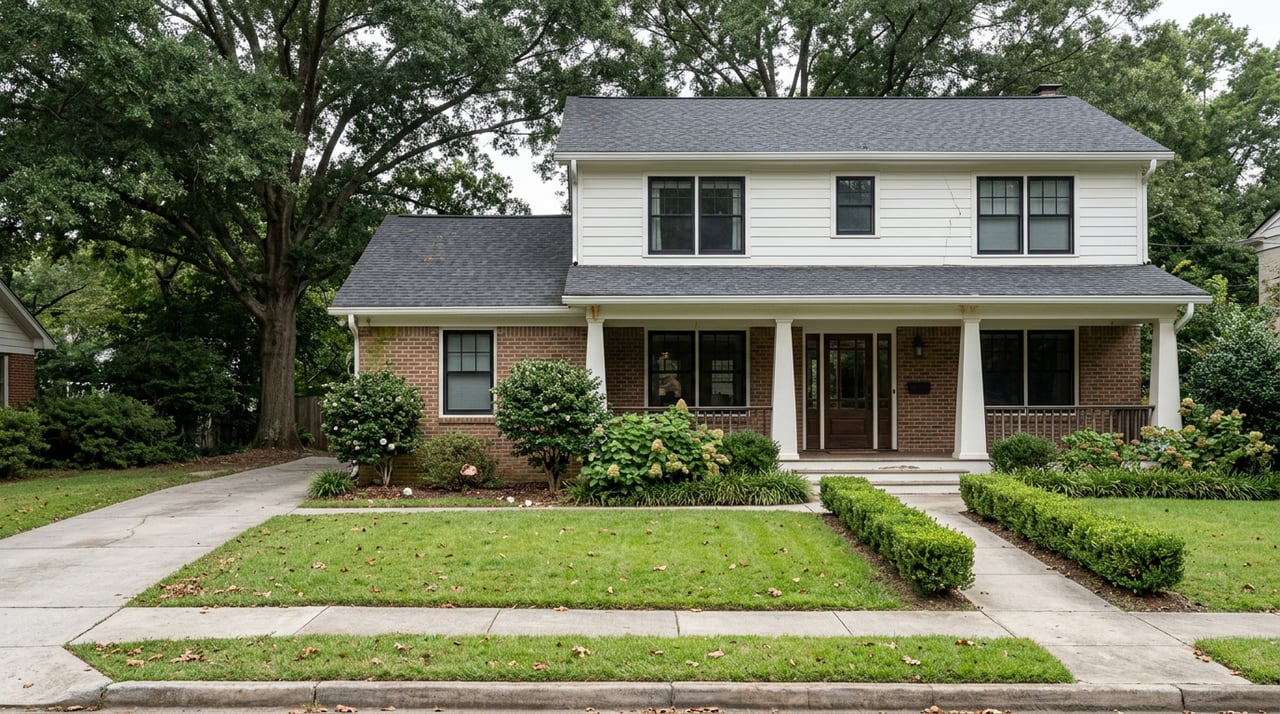
For you as a buyer, that means your search may be wider than expected. A detached home may offer strong long-term appeal, while a townhome or small multifamily-style property may fit a lower maintenance plan or different budget. The best fit depends on your goals, financing, and how hands-on you want to be.
Separate long-term and short-term strategies
Before you buy, be clear about how you plan to use the property. Raleigh treats short-term rentals differently from long-term rentals and requires a zoning permit for short-term use. The city also requires the permit number to appear on advertisements and on the property itself.
If your goal is a traditional lease, underwrite the property as a long-term rental from day one. Do not assume a home that works as a long-term rental will also work for vacation-style use. That distinction can affect location, zoning review, and your expected return.
Start with gross yield, then go deeper
At a high level, market data can help you screen opportunities. Zillow reported an average Raleigh home value of $435,807 in April 2026 and an average rent of $1,845 in May 2026. Using those numbers, the rough gross rent yield is about 5.1% before expenses.
That figure is only a starting point. Gross yield does not tell you what you will actually keep after costs, and it should never replace property-specific analysis.
Build your numbers around real expenses
When you evaluate a potential rental, remember that the monthly rent is not your monthly profit. IRS guidance notes that common rental expenses include maintenance, insurance, taxes, and interest. Those costs can quickly change the picture.
A property that looks good on a simple rent-to-price ratio may feel very different once you account for repairs, turnover, and carrying costs. This is why wise investors in Raleigh look beyond headline numbers and build a realistic model before they buy.
Expect wide price differences across Raleigh
Raleigh is not one uniform market. In Zillow’s April 2026 snapshot, ZIP-code values were around $319,366 in 27610 and about $1,019,004 in 27608. That spread shows how sharply purchase price can vary across the city.
For you, this means location can change the investment story fast. A lower purchase price may improve the math on paper, while a higher-priced area may require a much different rent level to make the property work. It is important to compare likely rent, expected maintenance, and purchase price together rather than focusing on just one number.
Be ready for a market that moves
Timing matters when you are trying to buy a rental property in Raleigh. Zillow reported homes going pending in about 20 days in its April 2026 snapshot. That pace suggests you may need to move quickly when a property fits your criteria.
The best way to stay disciplined in a faster market is to decide your standards before you start writing offers. Know your financing plan, inspection boundaries, repair budget, and exit criteria early. That preparation helps you act quickly without making a rushed decision.
Focus on condition and repair risk
For first-time landlords especially, the condition of the home can make or break the experience. North Carolina law requires landlords to provide fit premises, comply with applicable housing codes, keep the unit habitable, maintain common areas, and promptly repair landlord-supplied systems after written notice.
That means your due diligence should go beyond cosmetic appeal. A fresh coat of paint is nice, but it does not offset an aging HVAC system, roof problems, plumbing concerns, or electrical issues.
Check the systems that matter most
When you tour potential rental homes, pay close attention to:
- Roof condition
- HVAC age and service history
- Plumbing integrity
- Electrical safety
- Signs of moisture intrusion
- Smoke-alarm compliance
These items matter because they directly affect habitability, repair costs, and how quickly you may need to spend money after closing. A property with simple, well-documented systems and limited deferred maintenance may be easier to manage and budget for.
Budget for permits and inspections
If a home needs work before you rent it out, include local process costs in your numbers. Raleigh’s code-enforcement materials note that the city enforces housing and building standards, and permitted residential work is inspected.
In practical terms, that means rehab work may involve permits, inspections, and possible reinspection delays. You should not assume every repair can be handled informally or completed on your ideal timeline. Build extra room into your budget and schedule.
Match location with rental appeal
A good rental property is not just legal and affordable. It also needs to be appealing to future tenants. Raleigh’s planning materials note that housing close to jobs and shopping tends to produce shorter car trips and more walking and transit trips.
That offers a useful way to think about rental demand. Homes near employment centers, services, and transportation corridors may appeal to a wider range of renters because they support everyday convenience.
Verify zoning before you buy
One of the smartest steps you can take is to verify the zoning district and allowed building type before going under contract. Raleigh’s planning and UDO materials make clear that uses are categorized under city code, and a property that looks rentable at first glance may still be affected by zoning form, lot constraints, overlays, or redevelopment rules.
This is especially important if you are considering anything other than a straightforward long-term rental in an existing home. Townhomes, small multifamily properties, or homes you hope to modify later all deserve extra review upfront.
Know the basic landlord rules in North Carolina
Raleigh no longer has a rental-dwelling registration program, but that does not remove your code-enforcement or habitability obligations. As an owner, you still need to comply with applicable housing standards and state landlord-tenant law.
North Carolina also has clear rules for security deposits. Deposits are capped at two weeks’ rent for week-to-week tenancies, 1.5 months’ rent for month-to-month tenancies, and two months’ rent for longer terms. Landlords must hold deposits in a trust account or bond and provide itemized accounting after move-out within the statutory timelines.
Price by the market, not by guesswork
Raleigh’s tenant guide says North Carolina allows owners to charge as much rent as they wish for a unit. In practice, though, your rent is still shaped by market demand, property condition, location, and competition.
That is why a smart purchase starts with realistic rent expectations. If the numbers only work at a rent level that feels hard to support, the property may not be the right buy. A wise rental purchase leaves room for real-world conditions, not just best-case assumptions.
Understand the eviction process upfront
No investor wants to plan around a difficult tenant situation, but you should still understand the legal process before you become a landlord. If a tenant stops paying rent or violates the lease, North Carolina uses a court process called summary ejectment.
Landlords cannot simply change locks, shut off utilities, or bypass the courts. State courts note that these eviction matters are civil cases that begin through the magistrate and small-claims system. Knowing that process helps you set expectations around timing, lease enforcement, and risk.
A smart Raleigh rental buy is a disciplined one
Buying a Raleigh home to rent out wisely is less about chasing any property with a rent number and more about choosing one that fits the city, the code, and your budget. The best opportunities usually come from balancing location, property type, condition, and realistic underwriting.
If you want to buy with confidence, it helps to have a local team that understands Wake County housing options, neighborhood differences, and the details that can affect your long-term results. When you are ready to explore rental-friendly homes in Raleigh, connect with Hendren Realty Group for practical guidance and responsive local support.
FAQs
What types of Raleigh homes can work as rental properties?
- Raleigh rental options can include detached homes, townhomes, duplexes, triplexes, and small apartments, depending on the property and zoning rules.
What is a rough gross rent yield for a Raleigh rental home?
- Using Zillow’s April and May 2026 Raleigh figures of $435,807 for average home value and $1,845 for average rent, the rough gross rent yield is about 5.1% before expenses.
What should you check before buying a rental property in Raleigh?
- You should review the home’s condition, likely repair costs, zoning district, allowed building type, rent potential, and whether the property fits your intended long-term or short-term rental strategy.
What repair issues matter most for Raleigh landlords?
- Key concerns include roof condition, HVAC age, plumbing, electrical safety, moisture intrusion, and smoke-alarm compliance because North Carolina law requires landlords to provide fit and habitable premises.
What are North Carolina security-deposit rules for rental properties?
- North Carolina caps deposits at two weeks’ rent for week-to-week leases, 1.5 months’ rent for month-to-month leases, and two months’ rent for longer leases, with rules for how deposits must be held and accounted for.
Can a Raleigh landlord remove a tenant without going to court?
- No. If a tenant stops paying or violates the lease, North Carolina requires landlords to use the summary ejectment court process rather than changing locks or shutting off utilities.