Relocating to Raleigh can feel exciting and a little overwhelming at the same time. You may already know you want Wake County convenience, but choosing between inside-the-beltline, North Raleigh, Southwest Raleigh, or a nearby suburb can be the hard part. The good news is that each area offers a distinct day-to-day experience, and understanding those differences can help you narrow your search with more confidence. Let’s dive in.
Why area comparison matters in Raleigh
Raleigh had an estimated population of 499,825 in 2024, and Wake County reached an estimated 1,232,444. At the same time, 51.2% of Raleigh housing units are owner-occupied, and the median value of owner-occupied housing units is $377,800. The city’s 2026-2030 Affordable Housing Plan also notes that rising demand, constrained supply, and increasing costs are increasing affordability pressure.
For relocating buyers, that means your location choice can shape both your budget and your daily routine. In Raleigh, the better question is often not just “Which neighborhood is best?” but “Which part of the city fits how I want to live?”
Inside the Beltline at a glance
Inside the Beltline is best understood as a lifestyle zone rather than a strict official boundary. For many buyers, it represents Raleigh’s older, more urban side, with historic neighborhoods, central parks, and easier access to downtown destinations. If you want character, shorter access to the city core, and a more connected street pattern, this area often stands out.
Housing style inside the Beltline
Raleigh’s oldest central districts are concentrated here. The Capitol Area Historic District includes the city’s oldest section and preserves the original 1792 street plan, while neighborhoods like Boylan Heights, Glenwood-Brooklyn, Cameron Park, and West Raleigh reflect early suburban and streetcar-era development.
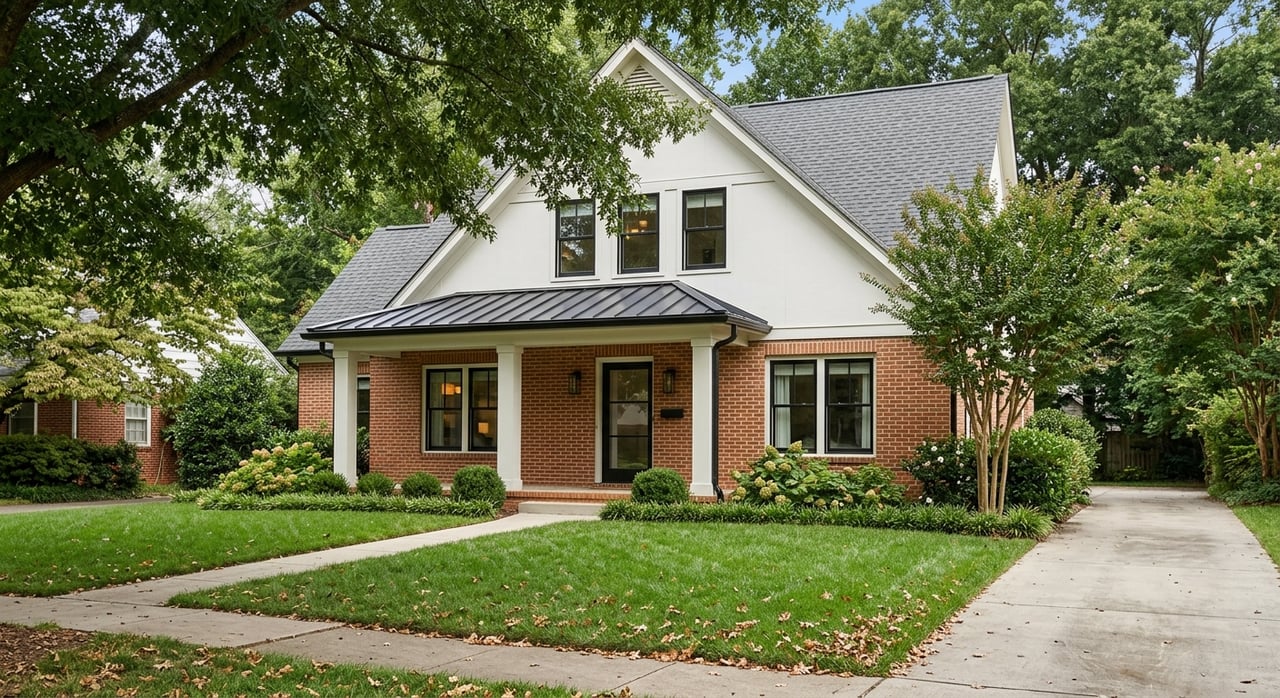
In practical terms, you will often find older architecture, smaller lots, and a denser urban feel than in more suburban parts of Wake County. Housing styles can include Craftsman bungalows, large early-20th-century homes, and late-1920s through postwar properties.
Commute and convenience inside the Beltline
This is the part of Raleigh with the closest access to downtown jobs, Raleigh Union Station, and the city’s most transit-oriented core. Downtown Raleigh includes the R-Line circulator, bikeshare and scooter-share options, city-owned parking decks with free two-hour parking, and a BRT network under development.
If your routine includes the city center, train access, or a preference for walking and biking when possible, this area may feel more efficient. Raleigh also highlights more than 100 miles of Capital Area Greenway trails, which adds to the central city’s connected feel.
Lifestyle feel inside the Beltline
Inside the Beltline has some of Raleigh’s best-known public spaces. Pullen Park, the first public park in North Carolina, and Dix Park, a 308-acre destination park near the heart of the city, give this area strong recreational appeal.
For many relocating buyers, the draw is simple: established neighborhoods, signature parks, and easier access to downtown activity. If you want an in-town experience with historic character, this is often where your search starts.
North Raleigh at a glance
North Raleigh feels different from central Raleigh. Instead of one historic core, it is shaped by major destinations, convenience corridors, shopping nodes, healthcare access, and neighborhood recreation.
If you want practical day-to-day ease without being in the downtown core, North Raleigh may be a strong fit. It often appeals to buyers who want errands, services, and major destinations nearby.
Housing and convenience in North Raleigh
The city describes the North District as one of Raleigh’s largest districts and highlights destinations such as North Hills, Lake Lynn, and Duke Health Raleigh Hospital. Crabtree Valley is also identified as a major regional shopping destination and activity center with retail, office, hotel, and housing uses.
That combination gives North Raleigh a convenience-driven identity. For many buyers, this means your routine can feel centered on shopping, appointments, recreation, and work access rather than a downtown lifestyle.
Commute patterns in North Raleigh
Commute quality in North Raleigh depends heavily on the exact corridor and where you need to go. The city’s planned Northern BRT corridor is expected to connect Downtown Raleigh to Midtown Raleigh and Triangle Town Center, and the Blue Ridge Road widening project is designed as a safer multimodal corridor from Duraleigh Road to Crabtree Valley Avenue.
That does not mean every part of North Raleigh commutes the same way. It means corridor choice matters, so your specific work and lifestyle destinations should guide your home search.
Lifestyle feel in North Raleigh
North Raleigh leans practical and everyday-friendly. Parks like North Hills Park, with playgrounds, pickleball courts, and a youth baseball field, support a steady routine built around recreation and neighborhood use.
If you want a location that feels more convenience-first than historic, North Raleigh often checks that box. It can be especially appealing if you want access to services and amenities without a fully urban setting.
Southwest Raleigh at a glance
Southwest Raleigh blends older neighborhoods, campus proximity, mixed-use pockets, and strong access to both downtown Raleigh and Cary. It is closely tied to NC State University and includes a mix of established housing and newer infill.
For many relocating buyers, this part of the city feels in-town but distinct from the downtown core. It offers an established setting with a little more campus and park energy.
Housing character in Southwest Raleigh
The Southwest District includes Hillsborough Street, Western Boulevard, Pullen Park, Five Points, Cameron Village, and Roanoke Park. The West Raleigh Historic District developed from the late 19th century through 1956 and includes Colonial Revival, Craftsman, Period Cottage, Minimal Traditional, and Ranch homes.
The area includes both owner-occupied houses and student rental housing, and the city also notes that recent infill has trended larger and more luxury-oriented. That gives Southwest Raleigh a layered housing mix that can appeal to buyers looking for older homes, architectural variety, and mixed-use access.
Commute and connectivity in Southwest Raleigh
Southwest Raleigh is well positioned if you need access to both downtown Raleigh and Cary. The planned Wake BRT Western corridor will connect downtown Raleigh to downtown Cary, and the Chavis-Dix Strollway is being designed as a walkable cultural trail linking Dix Park and John Chavis Memorial Park while connecting southwest-side neighborhoods.
If your routine spans west Raleigh, central Raleigh, and Cary, this area deserves a close look. It can offer a flexible location for buyers who want city access without focusing only on downtown.
Lifestyle feel in Southwest Raleigh
This area stands out for its park and campus setting. Pullen Park and Dix Park are major public amenities, and the surrounding neighborhoods often feel established, active, and connected to local institutions.
For buyers who want an older in-town feel with recreation and mixed-use pockets nearby, Southwest Raleigh can be a compelling middle ground. It is often more neighborhood-rich than a suburban corridor, while still offering strong regional access.
How Cary, Apex, and Holly Springs compare
If Raleigh itself is not the exact fit, nearby suburban markets may be worth considering. Cary, Apex, and Holly Springs each offer a more homeowner-heavy profile than Raleigh overall, along with their own mix of parks, downtown areas, and regional connections.
For relocating buyers, these towns can be strong alternatives if you want more suburban patterns and a different pace of daily life. They are also important comparison points if you are trying to balance price, commute, and lifestyle.
Cary
Cary has a 66.3% owner-occupied housing rate and a median owner-occupied home value of $525,200. The town also reports more than 30 public parks and natural areas.
Transit connections add to Cary’s appeal for some buyers. GoCary Route 2 connects downtown Cary with NC State University and the State Fairgrounds, while Route 9 links downtown Cary and downtown Apex.
Apex
Apex has a 76.5% owner-occupied rate and a median owner-occupied home value of $576,100. The town highlights amenities such as Pleasant Park, and downtown Apex includes a designated social district called The Local Spot.
Regional transit also supports connectivity. GoCary Route 9 serves Apex to Cary, and GoTriangle Route 305 serves Apex, Holly Springs, and Raleigh.
Holly Springs
Holly Springs has an 83.4% owner-occupied rate and a median owner-occupied home value of $485,500. Downtown activity includes Main Street, a farmers market, the Cultural Center, and nearby Mims Park.
The town says Holly Springs is about a 20-minute drive to Raleigh’s urban center and about a 30-minute drive to RDU and Research Triangle Park via NC 540. Womble Park adds another large recreation option with fields, courts, trails, and an amphitheater.
Which Raleigh area fits your lifestyle?
A simple shorthand can help as you compare your options:
- Inside the Beltline: older homes, urban feel, downtown access, major parks
- North Raleigh: convenience-focused living, shopping and services, corridor-based access
- Southwest Raleigh: older neighborhoods, campus proximity, mixed-use pockets, Raleigh and Cary access
- Cary, Apex, Holly Springs: more suburban, more homeowner-heavy, strong parks and town-center identities
The right choice depends on how you want your days to work. If you want historic character and proximity to downtown, inside-the-beltline may rise to the top. If errands, medical access, and convenience matter most, North Raleigh may feel easier. If you want an established in-town setting with west-side access, Southwest Raleigh may be the better match. If you prefer a suburban alternative, Cary, Apex, or Holly Springs may give you the balance you want.
Relocating is easier when you can compare options through real daily-life priorities instead of just zip codes on a map. If you want help narrowing your search based on commute, housing style, and budget, Hendren Realty Group can help you explore Raleigh and the surrounding Wake County market with clear, local guidance.
FAQs
What is inside the Beltline in Raleigh for relocating buyers?
- Inside the Beltline is best treated as a lifestyle zone in central Raleigh, known for older homes, historic districts, closer downtown access, and major parks like Pullen Park and Dix Park.
How does North Raleigh compare to downtown Raleigh living?
- North Raleigh is generally more convenience-driven and corridor-based, with major shopping, healthcare, and recreation destinations, while downtown and central Raleigh feel more transit-oriented and urban.
What makes Southwest Raleigh different from other parts of Raleigh?
- Southwest Raleigh stands out for its connection to NC State, established west-side neighborhoods, mixed-use pockets, major parks, and strong access to both downtown Raleigh and Cary.
Are Cary, Apex, and Holly Springs good alternatives to Raleigh?
- Cary, Apex, and Holly Springs can be strong alternatives if you want a more suburban, homeowner-heavy market with parks, town-center activity, and regional access to Raleigh.
How should relocating buyers choose between Raleigh areas?
- Start with your daily priorities, such as commute patterns, housing style, access to shopping or parks, and whether you want a more urban or suburban routine.