Trying to choose between living in the heart of Raleigh or settling into one of Wake County’s suburbs? You’re not alone. With strong job growth and new neighborhoods popping up, the Triangle gives you great options at different price points and lifestyles. In this guide, you’ll see how Raleigh compares with Cary, Apex, Holly Springs, and Fuquay‑Varina on prices, commute, walkability, space, and schools so you can decide what fits you best. Let’s dive in.
Raleigh vs suburbs at a glance
Raleigh is the largest city in the Triangle with about 500,000 residents as of July 1, 2024. Cary, Apex, Holly Springs, and Fuquay‑Varina range from roughly 46,000 to 182,000 residents based on the same 2024 municipal estimates. The broader Triangle serves about 2.4 million people and continues to grow, adding employers and amenities across the region. You can see the big‑picture context through the Research Triangle’s regional overview.
On pricing, expect a split between the city and many suburbs. Based on January 2026 snapshots, Raleigh’s median sale price was about $395,000 per Redfin’s city metric, while Zillow’s Home Value Index for Raleigh was about $424,924 as of January 31, 2026. Cary and Apex typically run higher than Raleigh in the same period, with Fuquay‑Varina often closer to Raleigh’s median. Market coverage in early 2026 points to a more balanced Triangle market with inventory improving and fewer bidding wars than in 2020–2022, as summarized by Axios Raleigh’s outlook.
Commutes and regional access
Average one‑way commutes in the area sit in the low to mid 20s in minutes. Raleigh’s mean travel time is around 23 minutes based on ACS data summarized by Census Reporter. Cary and Apex are in a similar range depending on the exact neighborhood and route. Your actual door‑to‑door time will depend on employer location, toll choices, and time of day, so plan a test drive at your commute hour.
Key corridors include I‑40, I‑440, NC‑540, US‑1, US‑64, NC‑55, and US‑401. The NC‑540 Triangle Expressway has expanded in recent years and can cut cross‑county trips for West Cary, Apex, Holly Springs, and Fuquay‑Varina. Tolls apply, and some buyers choose to pay for the time savings. You can review toll details and route coverage through Triangle Expressway resources.
Public transit adds flexibility if you value options beyond driving. GoTriangle connects regional hubs, with a Triangle Mobility Hub planned to improve links between downtowns, RTP, and RDU. Explore current routes and plans via GoTriangle’s mobility hub page. For intercity rail, Raleigh Union Station anchors downtown with Amtrak service and bus connections, a plus if you travel by train or want transit access near home; learn more at Great American Stations’ Raleigh profile.
Lifestyle, dining, and walkability
Raleigh’s urban energy
If you want short walks to restaurants and events, central Raleigh checks a lot of boxes. Downtown neighborhoods like the Warehouse District and Glenwood South offer the region’s highest concentration of dining, arts, and nightlife with mixed‑use housing nearby. Union Station’s growth has added to the area’s appeal for people who like transit options and weekend activity. For a feel of the scene, scan these things to do in Raleigh.
Walkability varies block by block, but several downtown pockets score high on Walk Score. For example, addresses around Moore Square often reach “very walkable” ranges, where daily errands and dining are a short stroll. You can compare addresses using Walk Score’s map tools.
Suburban cores with room to breathe
Cary combines suburban space with cultural anchors like Koka Booth Amphitheatre, a growing downtown park, and long greenway networks. Apex offers a compact historic downtown along Salem Street with local shops and restaurants. Holly Springs and Fuquay‑Varina have invested in walkable main streets, parks, and breweries, pairing small downtown scenes with larger‑lot neighborhoods nearby. Evening plans may mean a short drive and easy parking more often than a walk, but you gain space at home and a quieter residential feel.
Space, yards, and home types
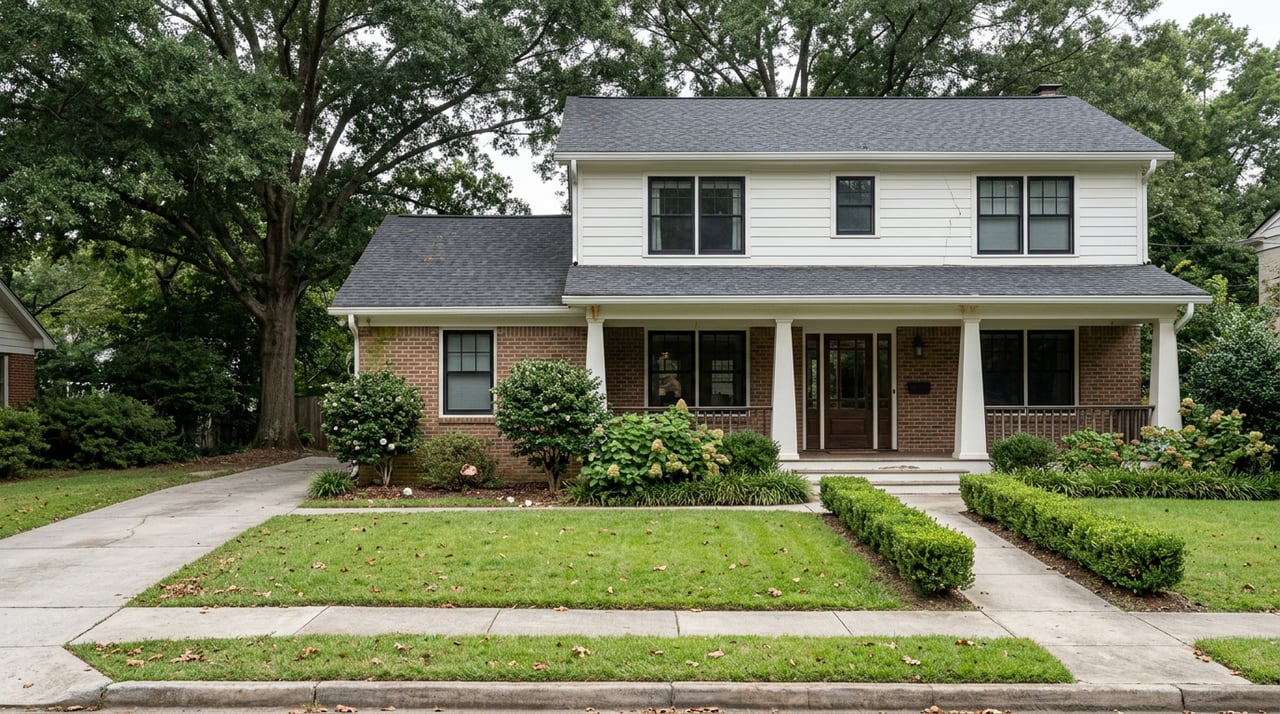
Inside Raleigh, especially within the I‑440 beltline, you’ll see smaller lots, more older homes, and added townhome and condo infill. That brings a mix of price points and often shorter trips to cafes and museums. In Cary, Apex, Holly Springs, and Fuquay‑Varina, you’ll find a higher share of single‑family homes, newer subdivisions, HOA‑managed amenities, and typically larger yards. These patterns show up in Census and ACS summaries of owner‑occupied values and housing types and match what buyers see touring homes.
If you prioritize a yard for pets, gardening, or playsets, the suburbs tend to offer more choices with newer floor plans. If you want a low‑maintenance townhome near nightlife or a condo with a short commute, Raleigh’s core has more options.
Schools and base assignments
Most of Raleigh and its nearby suburbs are served by the Wake County Public School System. Assignment zones, magnets, and enrollment caps can shift over time, and popular schools may cap enrollment. Before you write an offer, confirm base schools using the WCPSS enrollment and address lookup and check for any caps. If schools factor into your decision, consider timing and flexibility, since new construction and neighborhood growth can change feeder patterns.
Taxes, HOAs, and recurring costs
Property taxes vary by municipality and by year. You will pay Wake County taxes plus your town or city’s rate where applicable. For a current example, check the Town of Cary’s latest budget updates and municipal rate on the Town’s official site, and use the Wake County tax office for address‑specific totals. Many suburban neighborhoods include HOAs that fund common areas, amenities, and maintenance; dues and rules vary by community, so build them into your monthly budget and review covenants during due diligence.
Pros and cons to weigh
Living in Raleigh
- Pros: shorter trips to downtown employers and events, pockets with strong walkability, a denser mix of dining and arts, and access to intercity rail at Union Station.
- Cons: generally smaller yards, more street and garage parking to consider, and higher variation by neighborhood in noise, traffic, and school assignments.
Living in Cary, Apex, Holly Springs, or Fuquay‑Varina
- Pros: larger single‑family homes and yards, newer subdivisions and parks in many areas, quieter streets, and strong owner‑occupied neighborhoods.
- Cons: more driving for some commutes and errands, potential toll decisions on NC‑540, and HOA dues in many planned communities.
A simple decision checklist
Use these prompts to test which lifestyle fits you best:
- Daily anchor: Where is your main workplace or routine? Map a door‑to‑door drive at your actual hours, and include toll vs non‑toll options on NC‑540.
- Nights out: How often do you want to walk to dinner or live music? If often, focus on Raleigh pockets with higher Walk Scores.
- Space: Do you want a yard for kids, pets, or a garden? If yes, prioritize suburban single‑family neighborhoods.
- Schools: Are base schools a key factor? Verify assignments and any caps with the WCPSS lookup.
- Commute tradeoffs: Will you pay tolls to save time on NC‑540 if needed? Model cost against weekly time saved.
What fits you best?
If you want a lively, walkable lifestyle with quick access to dining and events, a Raleigh address near downtown may be your best fit. If you prefer more space, newer construction, neighborhood amenities, and a quieter street, suburbs like Cary, Apex, Holly Springs, or Fuquay‑Varina deliver strong options. Many buyers blend both goals by choosing a suburban home near a small downtown for weekend strolls and using NC‑540 or key corridors to keep commutes reasonable.
When you’re ready to compare specific neighborhoods, we can help you weigh resale value, commute times, HOA differences, and school considerations with up‑to‑date data and on‑the‑ground insight. Reach out to the Hendren Realty Group to explore homes or request a free home consultation and valuation.
FAQs
How do Raleigh and the suburbs compare on commute times?
- ACS data show average one‑way commutes in the low to mid 20s in minutes, with actual times depending on your starting point, route, and time of day.
Are home prices higher in Cary and Apex than in Raleigh?
- Recent snapshots show Cary and Apex typically above Raleigh’s median, while Fuquay‑Varina often tracks closer to Raleigh, though prices move monthly.
How walkable are Triangle neighborhoods?
- Walkability is neighborhood‑specific; downtown Raleigh pockets can be very walkable, while many suburban areas are car‑dependent outside their small downtowns.
What should I know about schools in Wake County?
- Most areas are served by WCPSS; verify base assignments and any enrollment caps using the district’s address lookup before you finalize a purchase.
What recurring costs beyond the mortgage should I plan for?
- Budget for property taxes, potential HOA dues in many suburban communities, utilities, and routine maintenance, which can vary by home age and size.