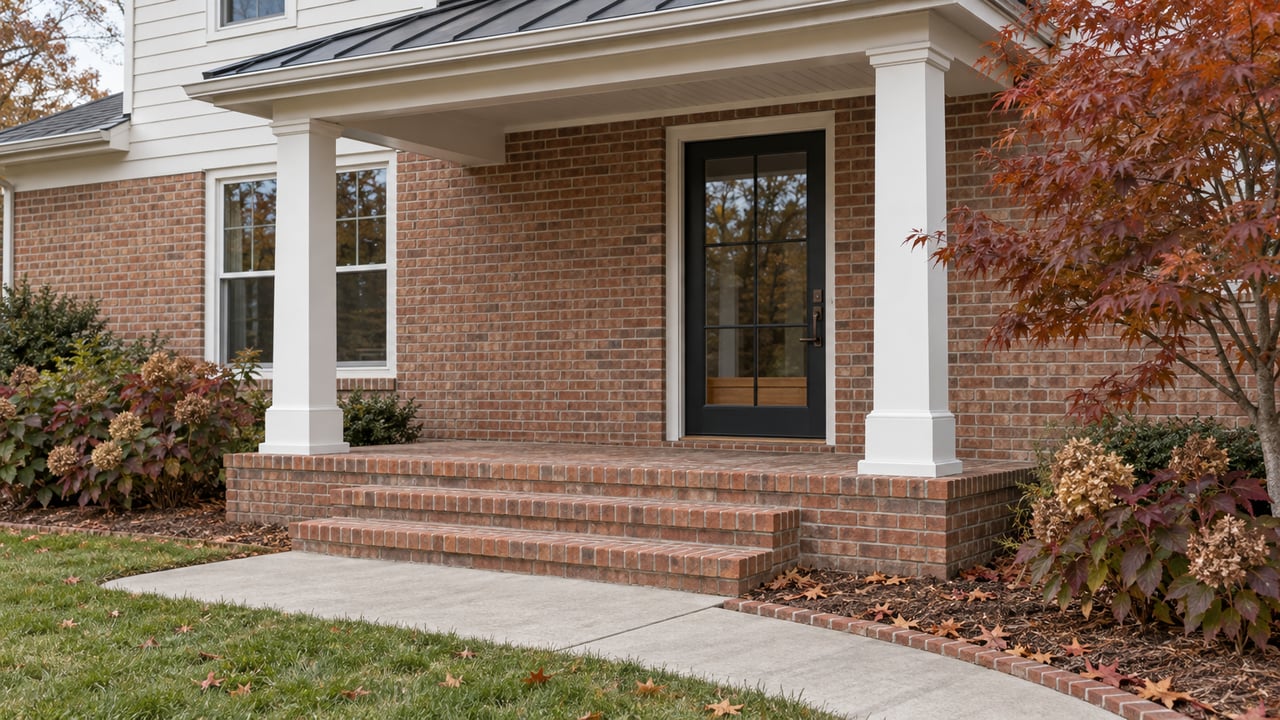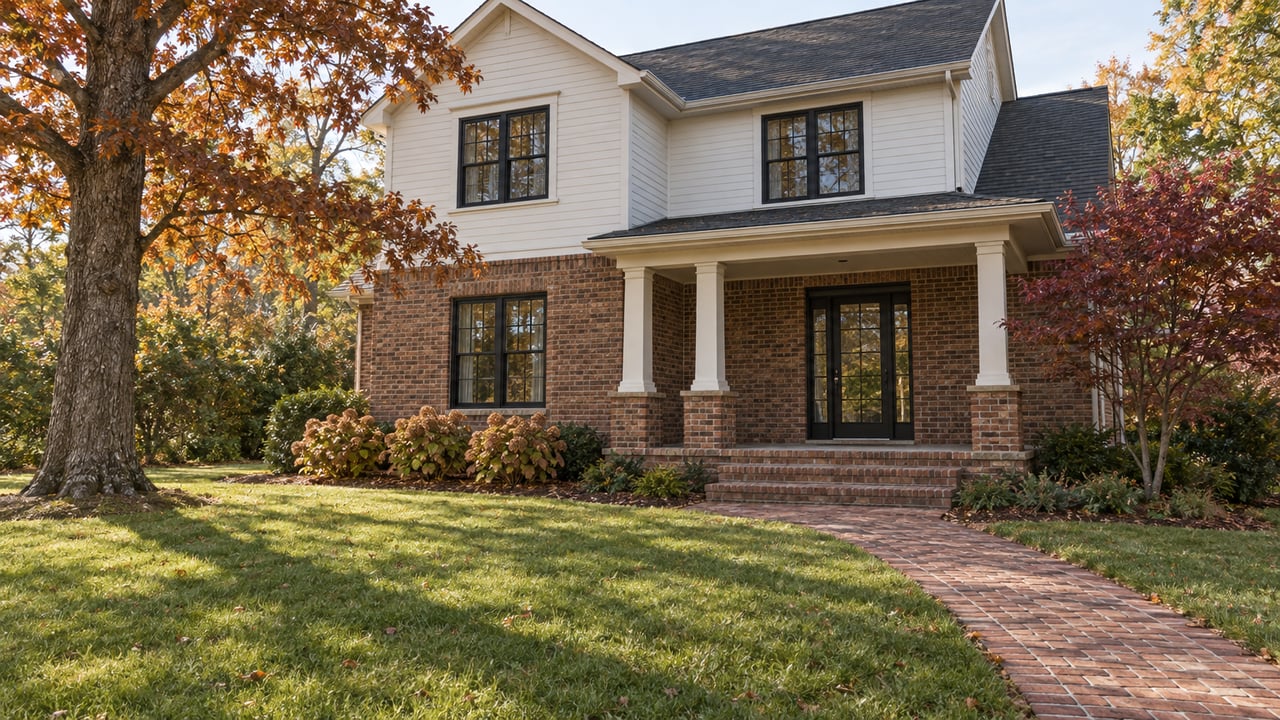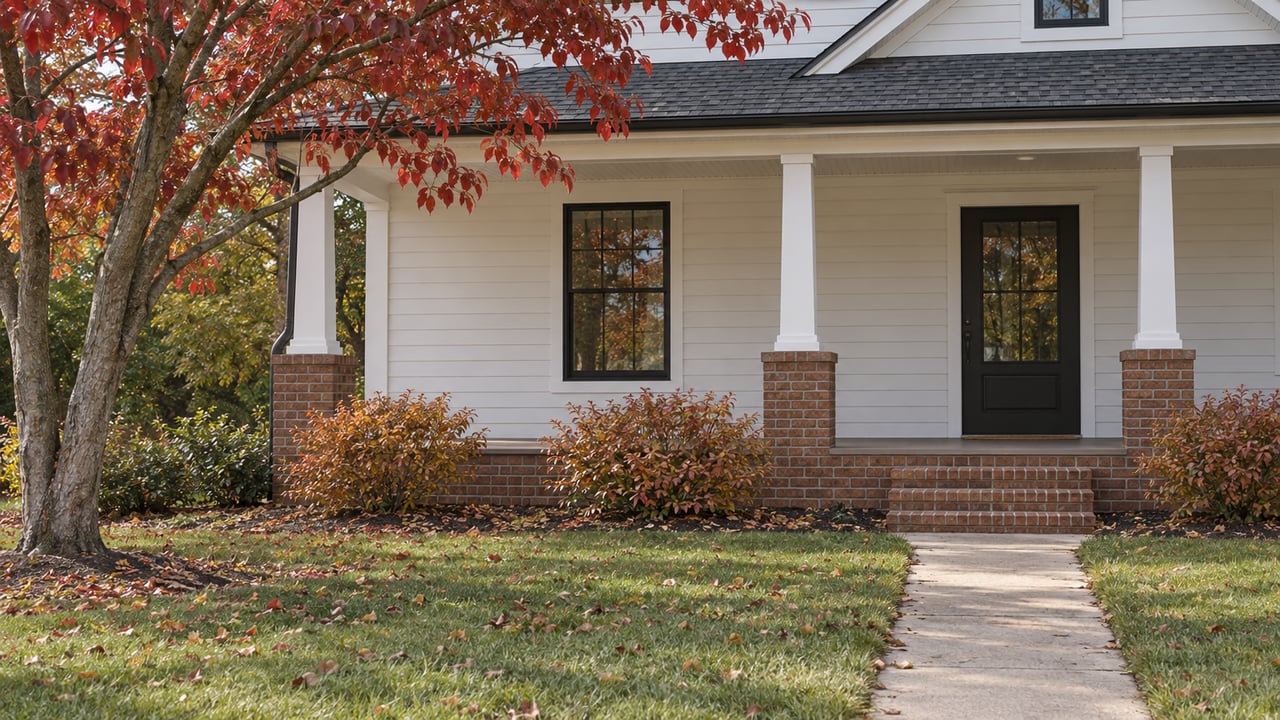
Ready to outgrow your starter home in Cary but not sure where to look next? You have great options, and each comes with a different mix of space, amenities, and maintenance. In this guide, you’ll compare four common neighborhood styles in Cary with real local examples, market context, key tradeoffs, and a simple checklist. By the end, you’ll know which path fits your next chapter and what to verify before you write an offer. Let’s dive in.
Cary market snapshot for move-up buyers
Cary’s median sale price sat in the mid-500Ks in early 2026, with Redfin reporting about $553,500 in January and a softer year-over-year trend. Neighborhood medians vary by submarket, so treat the townwide figure as a starting point, not a target. Always pull a current CMA for the specific subdivision you’re considering. Redfin’s Cary market snapshot is a helpful top-line reference.
Product types matter. Local summaries show townhomes often trade near or below single-family medians depending on the area. Recent snapshots put many Cary townhomes in a low-to-mid 500Ks band, while single-family pricing trends higher overall, with big swings by lot, age, and updates. Expect pocket-by-pocket differences. Homes.com’s Cary pages reflect this split.
Competitiveness is mixed. The frenzy has eased compared to 2020–2022, yet desirable Cary neighborhoods still move quickly. Some homes see multiple offers while others sit longer. Use the last 90 days of days on market and list-to-sale ratios for the exact neighborhood before you set expectations. You can scan recent trends on Redfin’s market page and refine with MLS data.
Neighborhood styles at a glance
Established subdivisions
- What you get: Mature street trees, varied architecture from the 1970s–2000s, often larger or deeper lots, and long-standing amenities like lakes, trails, and private clubs.
- Typical lots and HOAs: Many pockets offer about 0.2 to 0.8+ acres. HOAs exist in most planned sections, with rules and fees that vary.
- Local examples: Lochmere, known for lakes, trails, and a neighborhood club, has a long community identity. Explore Lochmere’s profile. MacGregor Downs features wooded lots and country-club living and often shows larger lots and higher-end pricing. See MacGregor Downs details.
- Price reality: Many homes in established areas can price above or below the town median depending on lot, location, and updates. Verify with a live CMA.
- Good fit: You want a bigger yard, mature canopy, room to expand, and strong long-term resale appeal.
- Watch outs: Older systems, landscaping upkeep, and possible near-term capital expenses.
Newer planned communities
- What you get: 2010s to present master-planned neighborhoods with consistent finishes, open layouts, larger garages, and on-site amenities like clubhouses, pools, playgrounds, and trails.
- Typical lots and HOAs: Smaller single-family lots are common, often about 0.12 to 0.35 acres. Active HOAs handle amenity upkeep and set design guidelines and rules.
- Local examples: Amberly in West Cary is a well-known, amenity-forward community with a range of home styles and neighborhood programming. Review highlights of Amberly’s amenities and setup.
- Price reality: Newer systems and amenities often command a premium. Confirm exact HOA fees and what they cover in the resale packet.
- Good fit: You prefer turnkey living with modern layouts and community activities.
- Watch outs: Smaller private yards, HOA rules and fees, and reliance on association upkeep.
Townhome clusters and infill
- What you get: Attached homes near town centers, retail corridors, or inside master plans. Low-maintenance exteriors and a lock-and-leave feel.
- Typical costs and HOAs: HOA dues usually cover exterior maintenance, common-area insurance, and amenities. Local reports show many Cary townhomes trading in a mid-500Ks band, with closer-in product often pricing higher per square foot. See townhome pricing context on Homes.com’s Cary pages.
- Good fit: You want walkability to retail, simpler maintenance, and modern interiors without single-family yard work.
- Watch outs: Limited private outdoor space, multi-level living, and storage constraints. For larger families, confirm floorplans, garage depth, and bedroom count.
Larger-lot properties
- What you get: Parcels of about 0.5 to 1+ acres, often in older high-end subdivisions or edge-of-town pockets. Privacy, room for outdoor amenities, and a long-term hold mindset.
- Local examples: Sections of MacGregor Downs and Preston often feature larger lots and premium views. Review area context via MacGregor Downs info.
- Price reality: Lot size, views, and renovation level drive big price swings. Larger lots typically command a premium.
- Good fit: You want space for a pool, gardens, or a future addition and you value privacy.
- Watch outs: Higher maintenance, potentially higher carrying costs, and fewer walkable amenities depending on location.
Key tradeoffs to weigh
- Price vs space: Newer homes and townhomes reduce near-term repairs but often sit on smaller lots. Older subdivisions and larger lots deliver space and yard but may need capital updates. Use recent comps and expected project costs to translate into monthly budget.
- Maintenance and time: Larger lots and older systems mean more upkeep. If you want low maintenance, lean toward townhomes or newer builds.
- Amenities and lifestyle: Community pools, trails, and clubhouses come with HOA rules and dues. Private yards give you freedom but trade away shared amenities. Amberly is a clear example of amenity-driven value. Review Amberly’s community features.
- Schools and resale: Many buyers choose Cary for school assignments. Always verify current zoning with the district because boundaries can change. Check the WCPSS school page for current assignment tools.
- Neighborhood microtrends: Price and pace vary by pocket. Local reporting shows certain subareas holding value or selling faster than others. Scan insights from The Cary Report and confirm with MLS data.
Your due diligence checklist
Use this quick checklist to evaluate any Cary neighborhood and home. Items in parentheses indicate documents to request or on-site checks.
Market and budget
- Pull a current CMA and a 90-day days-on-market and list-to-sale ratio for the exact subdivision. Start with Redfin’s market page and refine with MLS.
- Plan your move-up timeline: discuss sell-first vs buy-first, rent-back options, and potential bridge or HELOC strategies with your lender. For a plain-English overview of timing choices, see this guide to coordinating sell and buy.
Schools and family needs
- Verify current school assignments and any proposed boundary changes. Use the WCPSS portal for official updates.
HOA and covenants
- Request the HOA resale packet, declarations, current budget, reserve study, recent meeting minutes, and any special assessments. Confirm exterior maintenance responsibilities and rental rules. Amberly-style communities offer a good model for how HOAs structure amenities and guidelines. Review an Amberly overview for context, then rely on the specific HOA docs for your home.
Condition and inspections
- Schedule a general home inspection and add specialists as needed: roof, HVAC, pest/termite, chimney, and radon or environmental testing where relevant. In North Carolina, thorough due diligence is essential. Here is a helpful primer on why inspections matter: Home inspection basics.
Land and lot checks
- Confirm lot lines with a survey, note grade and drainage, ask about any conservation easements, and review setback allowances for additions. For larger lots, verify any woodland or buffer areas that could shape future use.
Utilities and nearby development
- Confirm sewer versus septic, water provider, and whether the home sits inside Cary town limits. Ask about planned public projects or large nearby developments that can influence traffic and retail access. West Cary’s Alston Yards mixed-use project is one example to watch.
Questions to ask your Cary agent
- What is the last 90 days of DOM and list-to-sale ratio in this subdivision, and how does that compare to the townwide snapshot?
- Who is the most likely buyer for this home in 5 to 7 years, and which improvements would best support future resale?
- What are the exact HOA dues, what do they cover, and are there any pending assessments or rental restrictions?
- What are the age and expected remaining life of major systems, and what do inspectors typically flag in this neighborhood?
- Are there any proposed school boundary changes or major road and retail projects nearby?
Which style is right for you?
- Choose an established subdivision if you want mature trees, flexible yards, and the option to expand. Budget for updates and landscaping.
- Choose a newer planned community if you prefer a turnkey, amenities-forward lifestyle with modern layouts and lower near-term repairs.
- Choose a townhome cluster if you want location and low maintenance more than private yard space.
- Choose a larger-lot property if privacy and room for outdoor amenities top your list and you are comfortable with added upkeep.
If you want a local, steady hand to help you compare neighborhoods, run comps, and tailor a buy-sell plan, reach out to Hendren Realty Group. Our family-led team pairs deep Cary knowledge with clear, responsive guidance so your next move feels simple and well-timed.
FAQs
What is the current median home price in Cary for move-up buyers?
- Redfin reported about $553,500 for Cary’s median sale price in January 2026, though medians vary by neighborhood and change month to month; verify with a live CMA for your target area using Redfin’s market page.
How competitive is the Cary market right now for larger homes?
- Competition has eased from the peak years, yet many desirable neighborhoods still move quickly, so check the last 90 days of days on market and list-to-sale ratios to set a realistic offer plan using Redfin’s snapshot and MLS data.
How do HOAs typically work in Cary’s planned communities?
- Most include dues that fund amenities, common-area maintenance, and sometimes exterior upkeep, with rules that set design standards and use limits; always read the resale packet for specifics and compare to an amenity example like Amberly’s setup.
Are Cary townhomes a good move-up option if I need space?
- They can be, especially near retail and job centers, but confirm floorplans with enough bedrooms, storage, and garage depth, and note that recent summaries put many townhomes in a mid-500Ks band per Homes.com’s Cary data.
What should I verify about school assignments before buying in Cary?
- Boundaries can change, so confirm current assignments and any proposed updates directly through the district’s resources like the WCPSS page.
How do I coordinate selling my current home and buying my next in Cary?
- Review sell-first vs buy-first options, including rent-back, home-sale contingencies, and potential bridge or HELOC strategies with your lender; this timing guide outlines the trade-offs so you can pick the best path.