Curious what a buyer would actually pay for your Raleigh home today? You’re not alone. In a fast-moving Wake County market, it’s normal to see different numbers from tax bills, online estimates, and even past appraisals. Here’s how to make sense of it and get a reliable value you can use to plan your next move.
In this guide, you’ll learn what “worth” really means, the best ways to estimate value, Raleigh-specific factors that influence price, and practical steps to get a clear number. You’ll also get tips to boost perceived value before you list. Let’s dive in.
Home value, appraisal, and tax: what’s the difference?
Not all “values” are the same. Understanding which number you need helps you make smarter decisions.
- Market value: The price a willing buyer would pay a willing seller under current market conditions. This is the number that matters when you list.
- Appraised value: A licensed appraiser’s opinion, usually for a lender during a mortgage. It uses structured methods and comparable sales.
- Assessed value: Used for property taxes by Wake County. It often lags current market trends.
- Equity value: Your estimated market value minus your mortgage balance.
- Replacement or insured value: What it might cost to rebuild or insure the home, not the same as market value.
Four ways to estimate what your home is worth
1) Comparative Market Analysis (CMA)
A local agent studies recent nearby sales, active and pending listings, and adjusts for differences like size, condition, lot, and updates.
- Pros: Local expertise, accounts for micro-neighborhood trends, usually free when working with an agent.
- Cons: Quality depends on agent experience and access to the MLS. Adjustments can be subjective.
- Best use: Primary tool for setting a listing price and marketing strategy.
2) Automated Valuation Models (AVMs)
Online estimates use public records, past sales, and listing data to generate a quick number.
- Pros: Fast, free, helpful for a rough ballpark.
- Cons: Often miss interior condition, upgrades, lot nuances, and very recent market shifts. Less reliable for unique homes.
- Best use: A cross-check against a CMA or appraisal, not a final pricing decision.
3) Professional appraisal
A state-licensed appraiser inspects the home and uses comparable sales and formal approaches to value.
- Pros: Lender-accepted, structured, and detailed.
- Cons: Costs money, requires scheduling, and can lag when the market moves quickly.
- Best use: During a financed transaction, or as a pre-listing check if you want extra certainty.
4) Broker Price Opinion (BPO)
A broker’s value opinion used in certain situations like bank work or distressed sales. It’s less common for traditional listings than a full CMA.
What drives value in Raleigh and Wake County
Regional forces you should know
- Jobs and population: Raleigh sits at the heart of the Research Triangle with universities, tech, biotech, government, and research roles. Job growth and in-migration support demand and pricing.
- Interest rates: Mortgage rate trends affect affordability and the speed of sales.
- New construction: Ongoing subdivision and multifamily development across Wake County adds supply and sets condition benchmarks for newer areas.
Neighborhood-level factors
- Proximity: Access to downtown Raleigh, Research Triangle Park, NCSU, and major routes like I‑440, I‑40, and US‑1 influences buyer demand.
- Schools: School assignments and access to private options can shape buyer interest. Use neutral, verified information to compare areas.
- Amenities: Walkability, greenways, parks, restaurants, and retail can boost appeal.
- Neighborhood age and lots: Older in-town areas such as Five Points, Hayes Barton, Mordecai, Oakwood, and Glenwood South often command premiums for character and location. Suburban areas like North Raleigh, Brier Creek, West Raleigh, and Southeast Raleigh vary based on lot size, build quality, and community amenities.
- Planned changes: New infrastructure, rezoning, or commercial projects can shift demand and pricing nearby.
Physical and regulatory items that matter
- Soil and foundations: Clay soils are common. Drainage and crawlspace condition can affect value.
- Flood risk: Floodplains exist along corridors such as the Neuse River and Crabtree Creek. Flood status and insurance needs can impact pricing and buyer pool.
- HOAs: Many newer subdivisions have active HOAs. Fees and rules can influence buyer decisions and comps.
- Taxes and assessments: Wake County tax assessments and city rates affect carrying costs. Assessed values often trail market value.
- Local rules: North Carolina requires seller disclosures, and homes built before 1978 require federal lead-based paint disclosures. Historic districts or special zoning can affect renovations.
How professionals evaluate your home
Whether it’s a CMA or an appraisal, the process focuses on the best comparable sales and your home’s condition and features.
Key factors include:
- Location and micro-neighborhood comps
- Lot size, shape, topography, and any views
- Heated living area, layout efficiency, and storage
- Age, roof, HVAC, electrical, plumbing, and overall condition
- Bedroom and bathroom count
- Quality of renovations and finishes
- Energy efficiency and smart systems
- Curb appeal and landscaping
- Market conditions at sale time, including inventory and days on market
- Legal considerations like zoning, easements, encroachments, and floodplain status
When your numbers don’t match
You may see a CMA, AVM, and appraisal deliver different results. That’s normal.
- Compare the comps: Focus on closed sales from the past 3–6 months in your micro-neighborhood.
- Spot outliers: Investor or distressed sales, unique terms, or atypical conditions may skew results.
- Account for change: In a fast-moving market, ask for context on active and pending listings and how they might influence value.
- For appraisals: If conditions have shifted, a market conditions addendum can help reflect momentum.
How to boost perceived and market value before you list
Start with essential fixes, then target updates buyers notice most in Raleigh.
- Fix first: Roof leaks, HVAC issues, electrical hazards, and plumbing problems. Buyers value safe, functional systems.
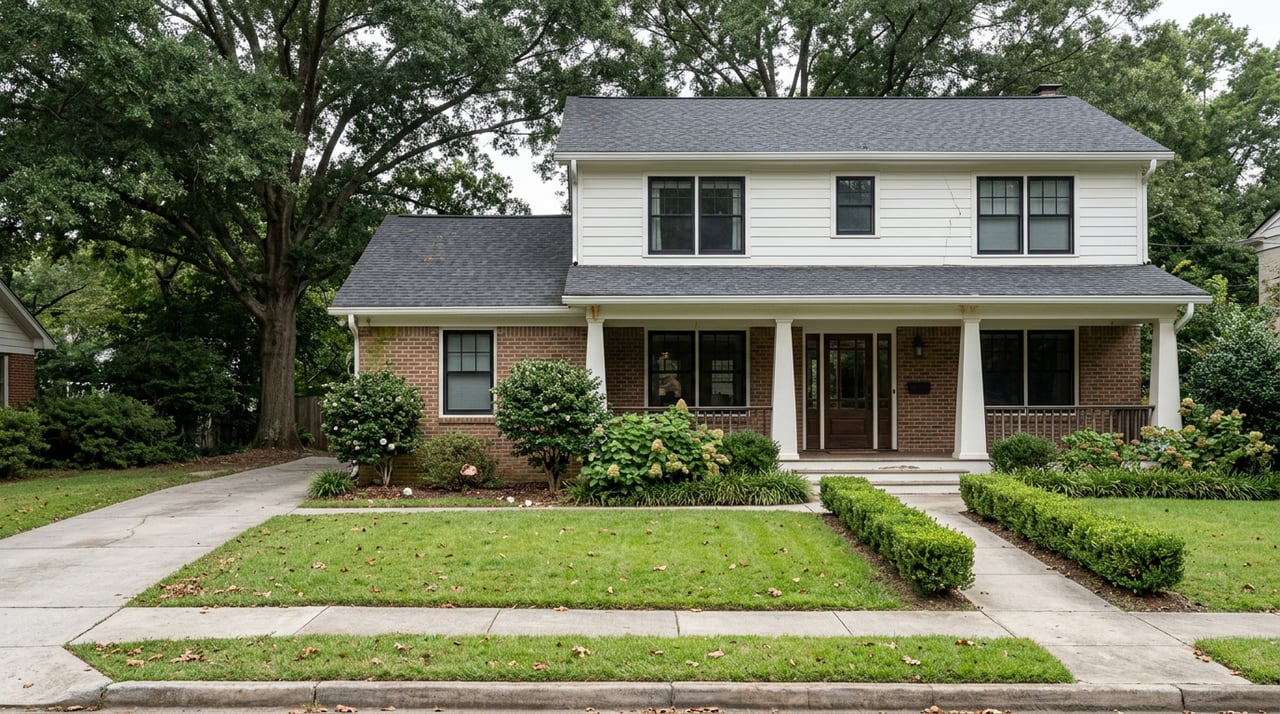
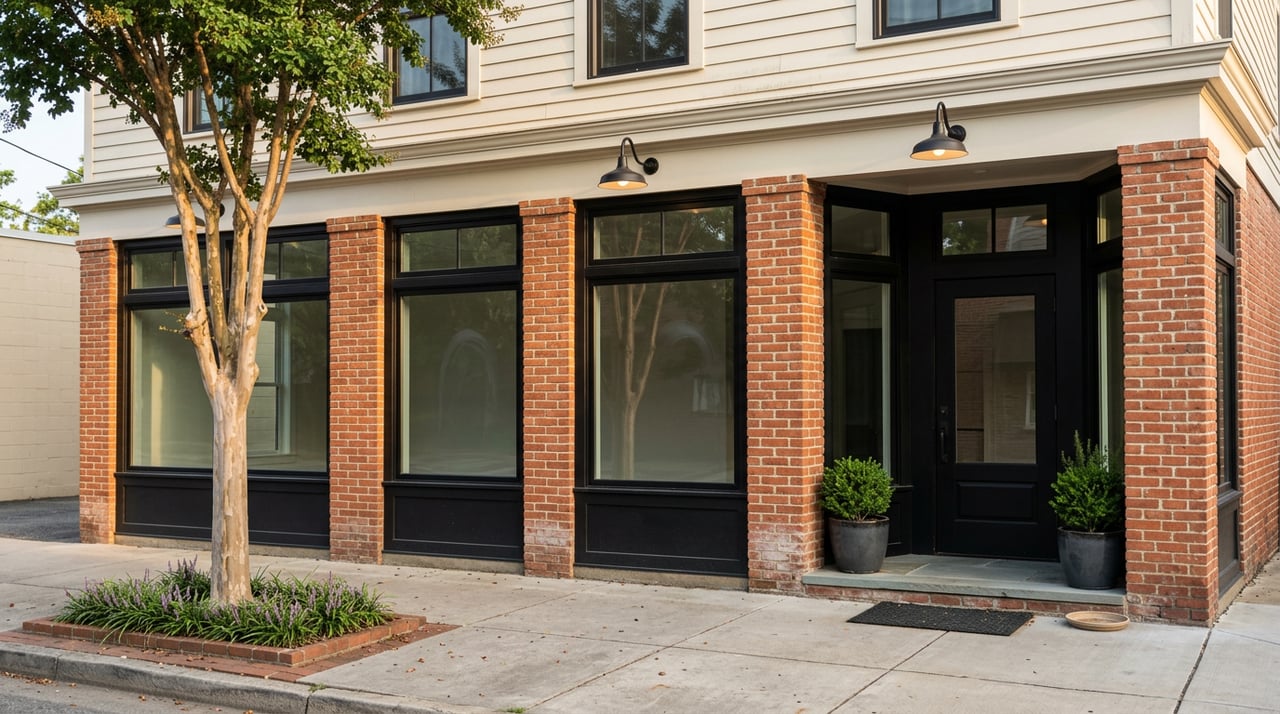
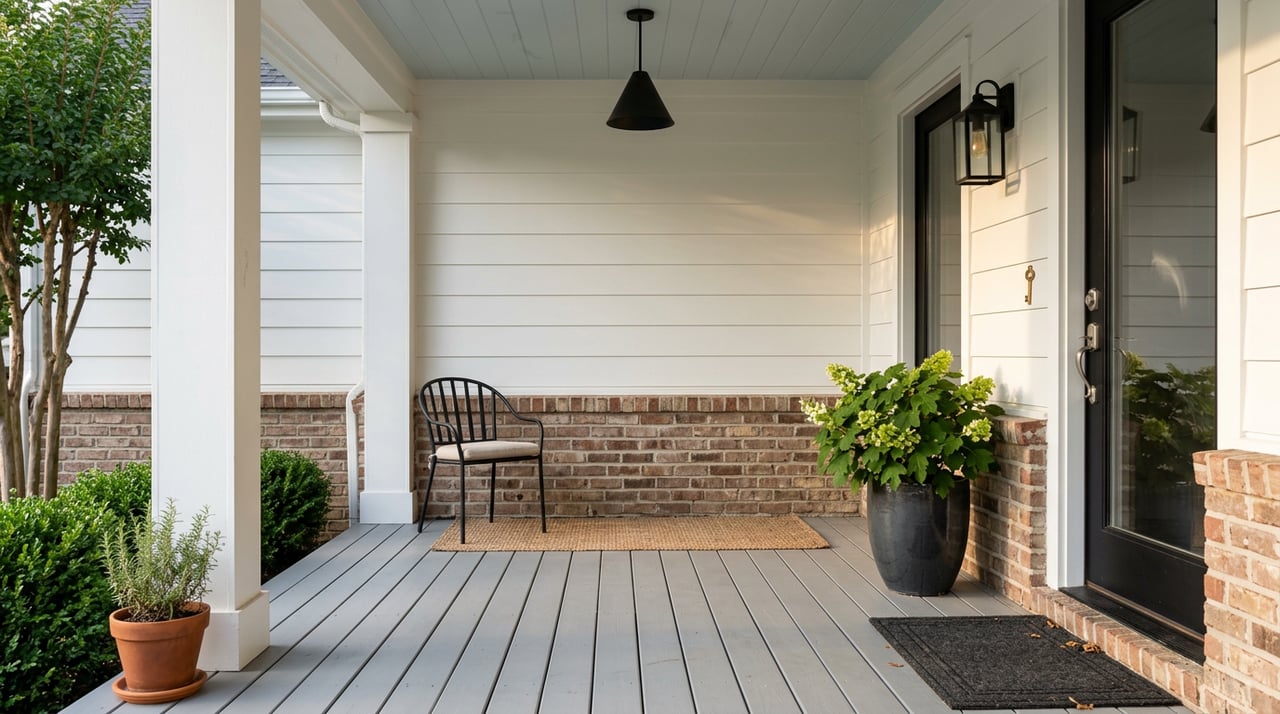
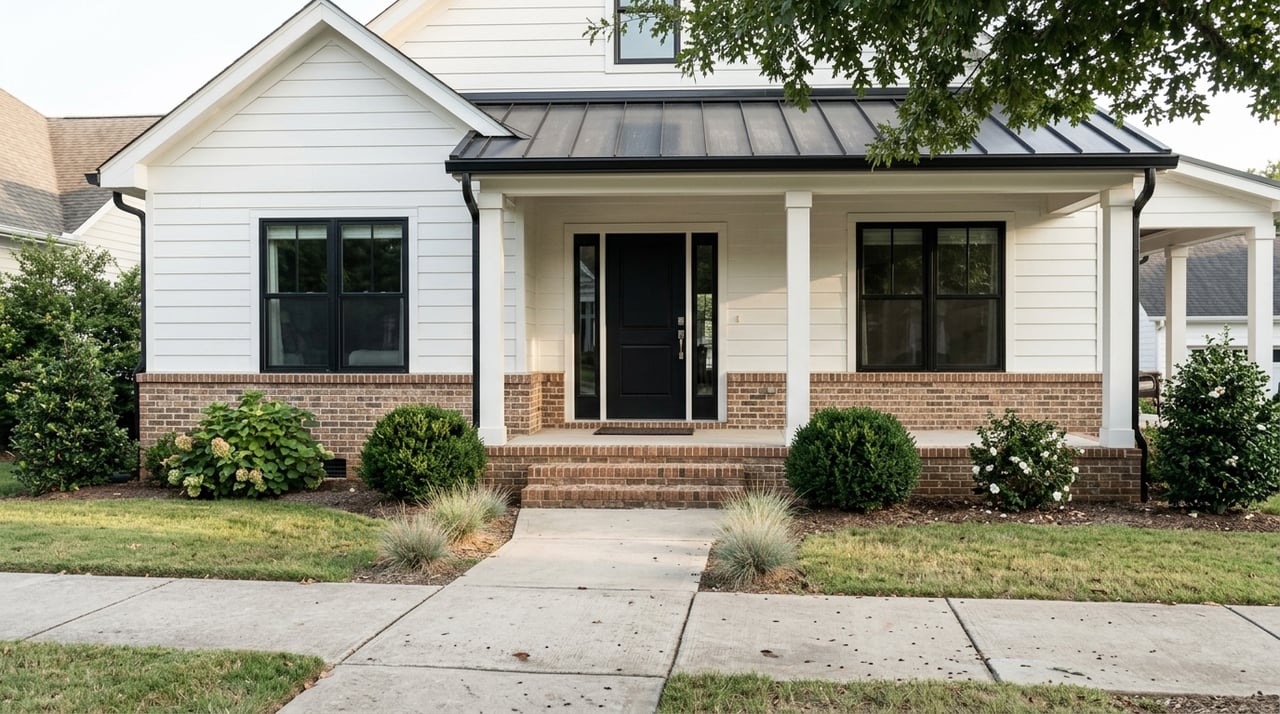
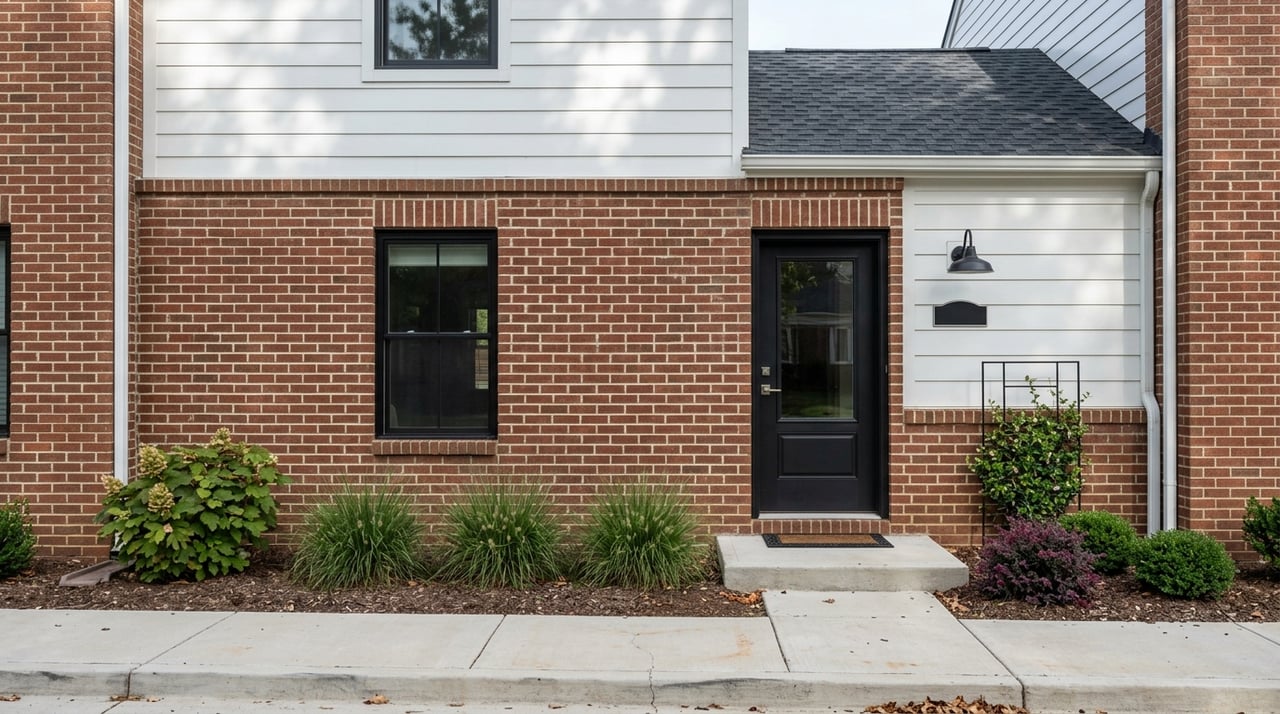
- Elevate curb appeal: Tidy landscaping, touch-up paint, clean porches and driveways, and a welcoming front door.
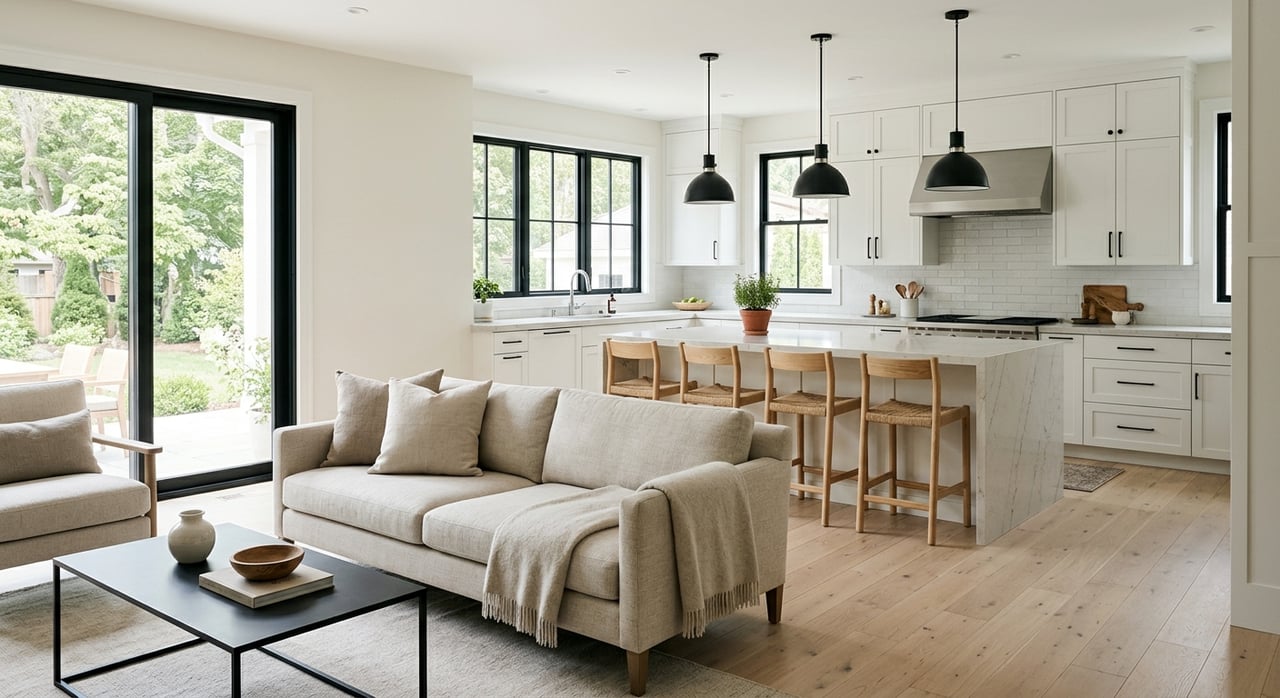
- Kitchens and baths: Clean, complete, and neutral wins. Minor updates like paint, hardware, lighting, counters, and backsplash can go a long way.
- Flooring: Repair or replace damaged areas. Consistent flooring throughout improves first impressions.
- Neutralize and stage: Fresh paint in light neutrals, decluttering, and thoughtful staging help buyers see themselves in the home.
- Energy and comfort: Updated HVAC, insulation, windows, and smart thermostats can be attractive.
- Outdoor living: Decks and screened porches are popular with Raleigh buyers when appropriate for the home and lot.
What to avoid if you want near-term return:
- Over-specialized upgrades that narrow your buyer pool.
- High-cost renovations that push past neighborhood price ceilings.
Pricing strategies that fit the market
- Competitive pricing: When inventory is tight and comps are strong, pricing at or just below the market can attract multiple offers.
- Premium pricing: If your home is a clear standout with documentation to support it, you can price higher and plan for a longer market time.
- Defensive pricing: In a cooling segment or when condition issues exist, pricing conservatively can keep you competitive.
Your step-by-step plan to get an accurate value
- Request a professional CMA from a local agent. Ask for 3–8 relevant closed comps plus active and pending listings, with clear adjustments.
- Gather documents. Pull maintenance records, permits for any additions, warranties, surveys or plats, HOA documents, and disclosure forms.
- Cross-check with a few AVMs. Use them for ballpark context, but prioritize the CMA and recent closed sales.
- Note special factors. Confirm any floodplain status, encumbrances, or HOA restrictions that affect value.
- Consider a pre-listing appraisal. If you want extra certainty, an appraisal can reduce pricing debates later.
- Align on pricing strategy. Review comps and local momentum to set a list price that matches your goals and timing.
Typical timelines
- CMA turnaround: About 24 to 72 hours.
- Pre-listing appraisal: About 1 to 2 weeks including scheduling and report.
- Time on market: Varies by neighborhood and price band, from days to months.
- Contract to close: About 30 to 45 days with financing, faster with cash.
How Hendren Realty Group helps you get it right
You get local knowledge, hands-on guidance, and professional preparation backed by a modern marketing platform.
- Local expertise: Decades in Wake County neighborhoods, with a clear view of micro-market trends.
- Strategic pricing: A thorough CMA, context on actives and pendings, and advice tailored to your goals.
- Professional preparation: Guidance on repairs, staging, and photography to maximize first impressions. When it fits your plan, Compass tools like Coming Soon and Concierge can help you launch with stronger presentation and wider reach.
- Clear communication: You stay informed at each step, from value estimate to closing.
Ready to find your number?
If you want a clear, current value you can trust, start with a focused CMA and a plan that fits your timeline. Whether you’re selling soon or just exploring options, a quick conversation can save weeks of guesswork and help you make confident decisions.
Reach out to the team you can count on for transparent advice and a smooth process. Connect with Hendren Realty Group to request a free home consultation and valuation.
FAQs
How accurate are online home estimates in Raleigh?
- They are helpful for a quick ballpark, but they often miss interior condition, upgrades, and lot nuances. Use them as a reference alongside a local CMA and recent closed sales.
Should I get a pre-listing appraisal in Wake County?
- It can reduce pricing uncertainty and help with negotiations, but it costs money and may be conservative depending on the appraiser’s comparables. Many sellers start with a strong CMA.
Do renovations always raise my home’s market value?
- Not always. Updates that match neighborhood expectations tend to help. Overly personalized or high-cost projects may not return their full cost.
How does floodplain status affect my home’s value in Raleigh?
- Being in a flood zone can narrow your buyer pool and usually lowers price unless the list price reflects insurance costs and any mitigation measures.
How do property taxes impact what buyers will pay?
- Taxes affect monthly carrying costs and affordability. Higher taxes can reduce buyer competitiveness, especially for budget-sensitive buyers.
What is the typical selling timeline in Raleigh?
- Expect 30 to 45 days from contract to close with financing. Days on market vary by neighborhood, price band, and season, from days to months.