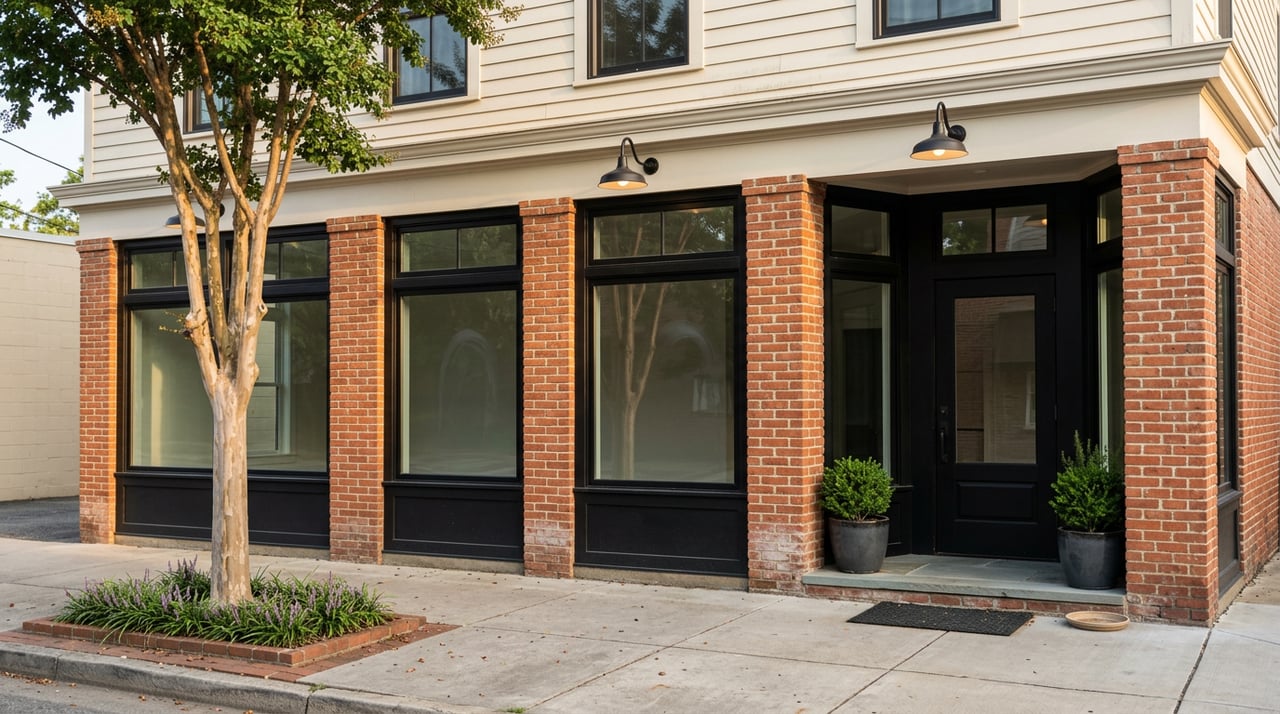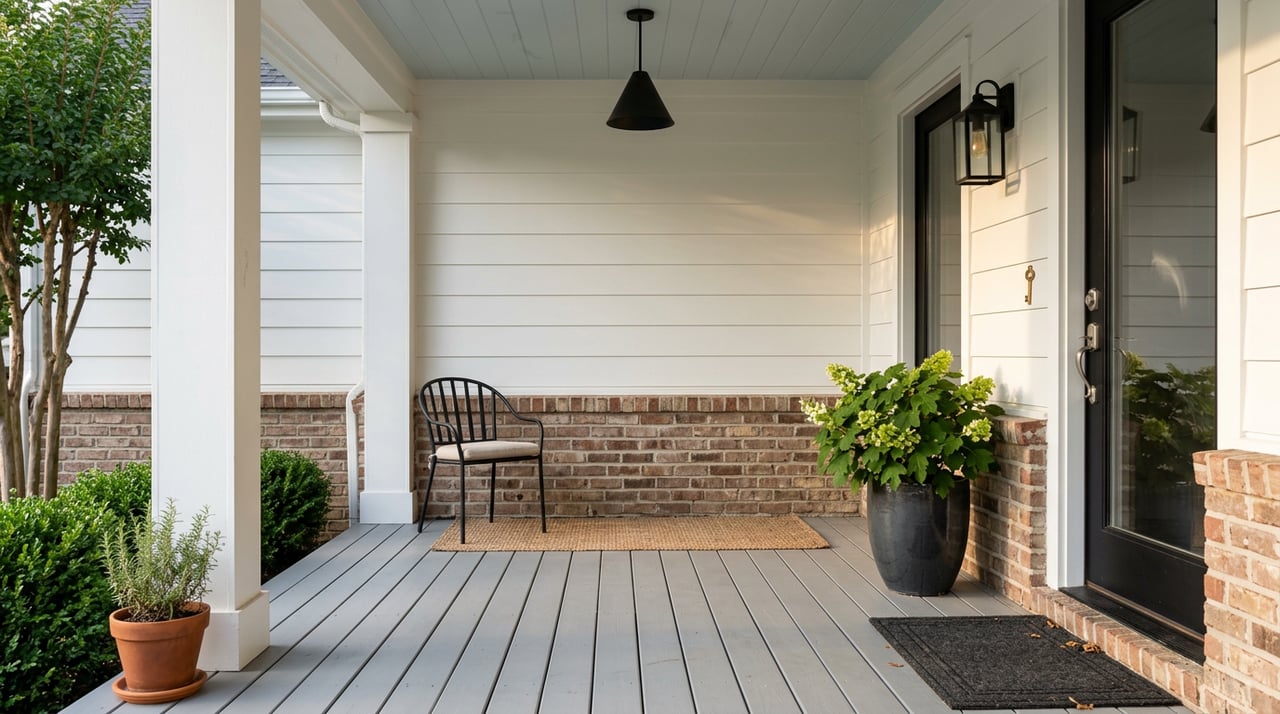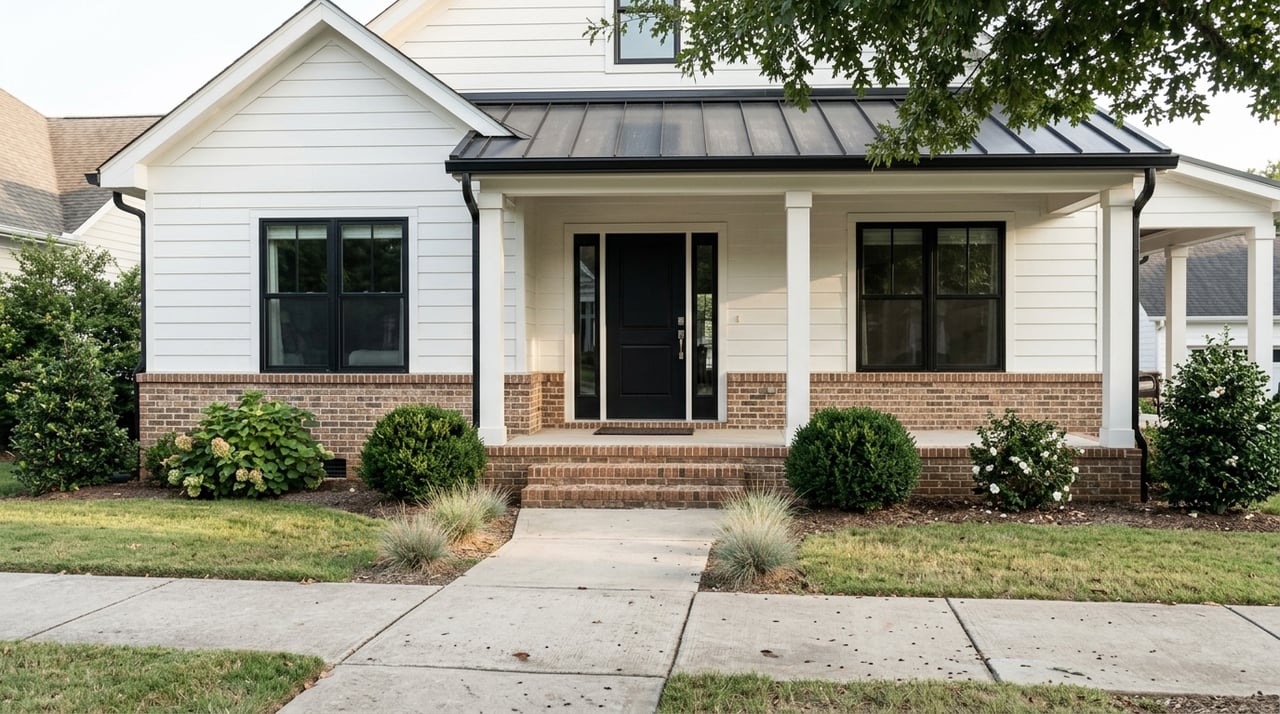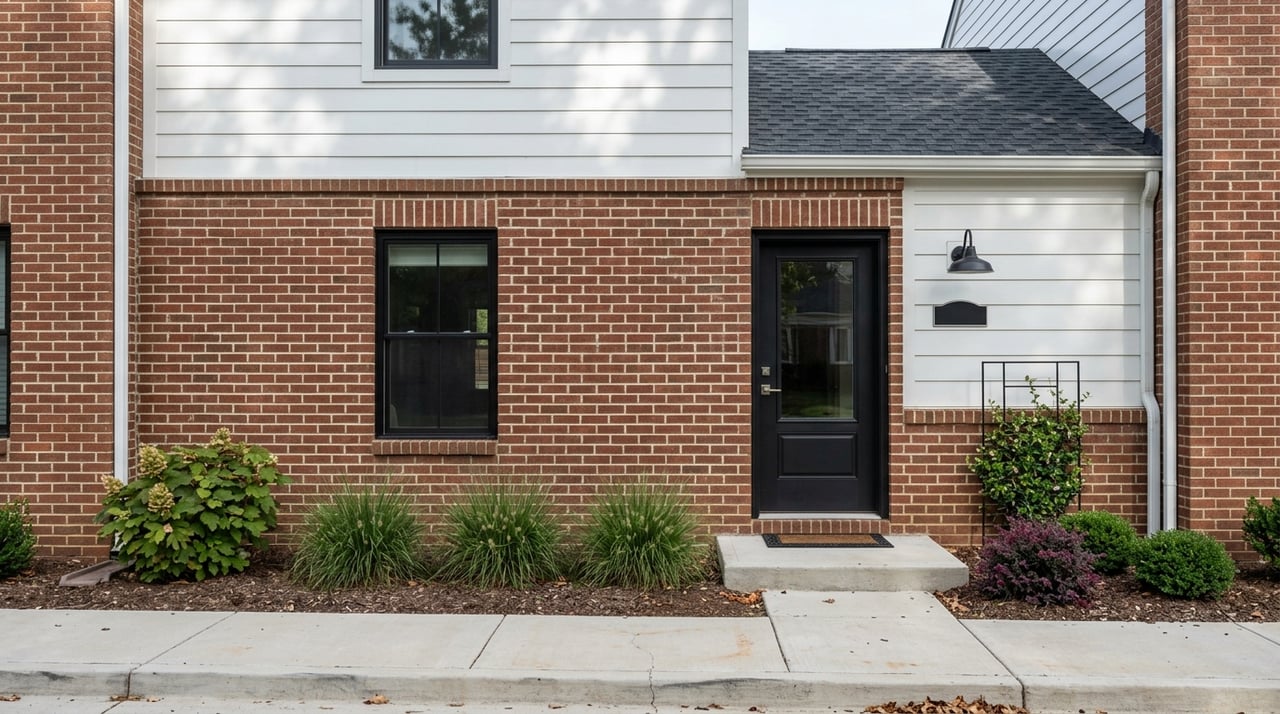
Planning a move to Fuquay-Varina from another state can feel like juggling flights, timelines, and unknowns. You want a great home, a smooth closing, and clear answers without having to be here for every step. This guide gives you a practical, local-first checklist tailored to Fuquay-Varina and Wake County so you can buy with confidence from afar. Let’s dive in.
Why Fuquay-Varina works for relocations
Fuquay-Varina sits in southern Wake County within the Raleigh–Durham region, a fast-growing area shaped by commuter demand from Raleigh and Research Triangle Park. New subdivisions and steady development reflect that growth. Neighborhood market conditions vary, so it helps to evaluate each area on its own.
You will find commuter access via key North Carolina highways, and typical drive times depend on your route and time of day. If schools matter in your decision, parts of Fuquay-Varina are served by the Wake County Public School System. Always verify current school assignments and enrollment policies directly with the district.
Local amenities include parks, a charming downtown, community events, and access to healthcare and shopping across Wake County. As you compare areas, it is smart to review town planning updates and road projects that could affect future commutes and neighborhood character.
Your out-of-state buyer checklist
Below is a step-by-step path from first call to move-in. Use it as your blueprint and adapt it to your situation.
1) Confirm financing and pre-approval
- Get a mortgage pre-approval from a lender familiar with North Carolina and the Triangle market. Ask about rate locks, appraisal timelines, and out-of-state closing processes.
- If paying cash, prepare recent proof of funds.
- Request itemized estimates for cash-to-close so you understand taxes, insurance, and prepaid items before you write an offer.
2) Hire a local agent who works with remote buyers
- Choose a North Carolina–licensed agent experienced with virtual showings and electronic signatures.
- Align on communication preferences and time zones so updates never lag.
- Ask for referrals to local inspectors, closing professionals, and movers to streamline decision-making.
3) Narrow neighborhoods and property types
- Clarify your must-haves: commute needs, lot size, home age, HOA vs. non-HOA, and any desire for acreage.
- Consider potential flood risk and nearby land uses as you compare lots.
- Shortlist a few areas, then request virtual walk-throughs and neighborhood context for each.
4) Tour remotely and do early due diligence
- Schedule live video tours and ask for detailed photo sets, measurements, and layout notes.
- Request seller disclosures, recent utility bills, and any available survey.
- For HOA homes, review covenants, meeting minutes, and any known or pending assessments.
5) Set your offer strategy and contingencies
- Discuss contingencies for inspection, financing, appraisal, and title. If you must sell another home first, plan that contingency into your timeline.
- Consider earnest money amounts, escalation terms if needed, and a closing schedule that reflects inspection and loan milestones.
- Coordinate with your agent on how competitive conditions are in the specific neighborhood you’re targeting.
6) Book inspections and specialists early
- Hire a licensed home inspector right away after going under contract.
- Add specialists if needed: HVAC, roof, electrical, plumbing, and pest. If the home has septic or well, order those evaluations and water testing.
- For homes near streams or low-lying areas, check FEMA flood maps and consider a drainage or hydrology review.
7) Title, closing, and settlement team
- North Carolina closings use title companies and settlement agents. Confirm who will handle the title search, title insurance, and settlement.
- Review the title commitment for easements, covenants, liens, and restrictions so surprises do not appear right before closing.
- Clarify who customarily pays for owner’s title insurance and the lender’s policy in your scenario.
8) Insurance and hazard considerations
- Obtain homeowner’s insurance quotes and ask about wind, hail, and hurricane-related deductibles and any mitigation credits.
- If the property is in a high-risk flood zone and you are financing, plan for flood insurance. Ask for quotes early so you can budget accurately.
9) Taxes, HOA, utilities, and ongoing costs
- Verify the current property tax rate, assessed value, and due dates.
- For HOA properties, review bylaws, reserve studies if available, monthly or annual fees, and rental restrictions.
- Identify providers for water or sewer, electric, gas, trash, and broadband. Confirm service transfer timing and any deposits.
- If you plan to rent the property, check local rental and short-term rental rules and confirm HOA policies.
10) Remote closing logistics
- Coordinate remote notarization and secure wire transfers per your title company and lender rules. Always verify wire instructions by phone using known numbers.
- If you cannot attend the final walk-through, appoint a trusted local representative and document the condition with photos or video.
- Confirm how keys, remotes, and access codes will be delivered after funding.
11) After closing: settle in smoothly
- Set up utilities, forward mail, and create a basic home maintenance calendar for HVAC service and seasonal tasks.
- Review North Carolina timelines for vehicle registration, driver’s license, and voter registration if you are establishing residency.
- Schedule first-year maintenance items and note renewal dates for insurance and home warranties if applicable.
Local items to verify before you buy
A few North Carolina and Wake County specifics deserve attention as you move forward.
Property taxes and assessments
- Confirm current assessed value and the tax rate with the county. Understand how proration works at closing and the process to appeal if needed.
Licensing and representation
- Work with a North Carolina–licensed agent and review agency agreements. Understand your representation options and how dual agency or designated agency works.
Title insurance and closing norms
- Title insurance is common to protect against historical defects. Clarify policy types and who pays which premium in your contract.
Floodplain, wetlands, and environmental rules
- Check FEMA flood zones and local watershed protections that may affect improvements or hardscape plans.
Short-term rentals and local ordinances
- If you plan to host short-term stays, confirm town and county rules, any required permits, occupancy taxes, and HOA restrictions.
Rental income and state taxes
- If you will earn North Carolina rental income as a non-resident, plan for state filing requirements and potential withholding. Consult a qualified tax professional.
Budget and timeline: what to expect
Every deal is unique, but you can plan around common timeframes and line items.
Typical timeline
- Home search: a few weeks to several months, especially if you vet homes virtually first.
- Under contract to close: often 30 to 60 days depending on financing, appraisal timing, inspections, and title work.
Common pre-closing and closing costs
- Earnest money deposit held in escrow.
- General home inspection plus any specialist inspections. Include survey, septic or well testing, pest, or mold if applicable.
- Appraisal if you are financing.
- Title and settlement fees, title insurance, recording, and any attorney fees.
- Prepaid items at closing like tax proration, homeowner’s insurance premium, interest reserves, and HOA dues if required.
- Travel and moving costs for any in-person visits or final move.
Tip: Request written estimates from your lender and title company early so you can make apples-to-apples comparisons and avoid surprises.
Avoid common pitfalls
A few preventable mistakes tend to trip up out-of-state buyers. Here is how to stay ahead.
- Underestimating total ownership costs. Solution: gather itemized estimates for taxes, insurance, HOA fees, and utilities before you write an offer.
- Skipping floodplain research. Solution: check flood maps and ask for an inspection by a pro familiar with local drainage issues.
- Relying on outdated school or zoning info. Solution: verify current school assignments and zoning with official sources and ask for written confirmation if it affects your decision.
- Falling for wire fraud. Solution: confirm wire instructions by phone using known contact numbers for your title company. Never rely only on email.
- Choosing an offer strategy that does not fit the neighborhood. Solution: tailor your contingencies and terms to the specific micro-market conditions.
How Hendren Realty Group supports remote buyers
Buying from out of state works best with a hands-on local team. With deep Wake County experience and a high-touch approach, we help you make confident decisions even when you cannot be here.
- Virtual-first touring. We provide clear video tours, on-the-ground context, and timely updates so you can compare homes with confidence.
- Organized due diligence. We help you schedule inspections quickly, review HOA documents, and track deadlines.
- Local coordination. We connect you with trusted local inspectors, closing professionals, and service providers, then keep everyone aligned.
- Clear communication. You will always know what is happening, what is next, and what decisions are time-sensitive.
If you are weighing neighborhoods across Fuquay-Varina, Holly Springs, Apex, or Cary, our local knowledge helps you match your priorities with the right pockets and property types.
Ready to make your move simple and stress-aware? Reach out to the team at Hendren Realty Group to start a tailored plan for your timeline, budget, and wish list.
FAQs
Can I buy a Fuquay-Varina home without visiting in person?
- Yes. Many buyers purchase remotely using virtual tours and trusted local professionals. It is still wise to hire inspections and have a local representative for the final walk-through.
How do I handle the final walk-through if I am out of state?
- Appoint your agent or a third-party inspector to walk the property, verify agreed repairs, and document conditions with photos or video before closing.
What insurance should I consider for Fuquay-Varina homes?
- Standard homeowner’s coverage, plus flood insurance if the property is in a high-risk zone. Confirm wind and hail deductibles and ask about mitigation credits.
How competitive is the Fuquay-Varina market right now?
- Conditions vary by neighborhood and price point. Review recent days on market, inventory, and list-to-sale trends for your target area before setting offer terms.
What should I know about HOAs and rental rules in Wake County?
- HOAs may have rental and short-term use restrictions. Review the full HOA packet and confirm any pending assessments before you finalize your offer.
How do school boundaries work in Fuquay-Varina?
- Assignments can change. Verify current boundaries and enrollment policies directly with the local school system as part of your due diligence.