Pricing your Cary home right can feel like walking a tightrope. Aim too high and you risk weeks on the market. Aim too low and you leave money on the table. If you are planning a sale in Cary or anywhere in Wake County, a clear, local process makes all the difference.
This guide gives you a step-by-step plan tailored to Cary’s micro-markets. You will learn which data to gather, how to pick and adjust comps, and how to set a smart price range with a clear review timeline. You will also see Cary-specific factors to weigh, from commute access to new construction nearby. Let’s dive in.
Start with Cary’s market realities
Cary is a collection of micro-markets. Values can shift block to block based on neighborhood, age of home, lot size, and access to I-40, US-1, I-540, and RTP. Areas like Downtown Cary, Bond Park, Preston, Waverly, Lochmere, Regency Park, Amberly, Crosswinds, Cary Park, and Carpenter Village each attract different buyer pools and show different price sensitivity.
Focus on metrics that reveal supply and demand in your immediate area:
- Months of inventory, active and new listings, pending and closed sales.
- Days on market and sale-to-list price ratio.
- Price per square foot by property type and size band.
- Distribution of sales by price band and the frequency of price reductions.
Use the most current data from Triangle MLS for your neighborhood and a 0.5 to 3-mile radius. Supplement with Wake County tax and parcel records for property details. Avoid relying on town-wide averages to price a specific home.
Your step-by-step pricing plan
Step 0: Clarify your goals
Decide what matters most: speed, top-line price, or certainty. If you are relocating on a deadline, you will likely prioritize a faster sale. If you have flexibility, you may tolerate longer market time to test higher pricing. Identify your payoff amount and target net proceeds before you price.
Step 1: Gather local, live data
Pull 6 to 12 months of closed sales and current active listings for your subdivision and nearby, plus recent pending contracts. Confirm your property specifics from authorized sources, including finished square footage, lot size, year built, and any permitted additions. Current local data is essential for Cary’s changing market.
Step 2: Select true comparables
Choose 3 to 8 comps closed in the last 3 to 6 months. Prioritize the same neighborhood or within 0.5 to 1 mile. Match property type, size within about 10 to 15 percent, similar age, beds and baths, lot size, and key features such as garage or basement. Also note similar active and pending listings. Those are your current competition.
Step 3: Adjust for differences
Use local price per square foot as a baseline, then adjust for square footage, lot size, condition, and features like a finished basement, pool, or updated kitchen and baths. Document your adjustments. Small, thoughtful adjustments beat rough guesses. Keep the totals realistic and grounded in what buyers are actually paying in your micro-market.
Step 4: Set a pricing range and strategy
Build three target price points:
- Aggressive or market-seeking at about 1 to 3 percent under your best estimate of market value.
- Market list price at or near the expected sale price.
- Aspirational or negotiation anchor slightly above market with a firm timeline for review.
Align the strategy with your goals. For a fast sale, lean slightly under market to drive traffic. For maximizing proceeds with more time, start near or slightly above market and plan a timely reduction if you miss early signals.
Step 5: Use search bands and psychology
Buyers often filter searches by price thresholds. Being just under a band, such as 499,900 instead of 500,000, can increase visibility. Choose a consistent pricing style that fits your strategy and the common search brackets in your area and price tier.
Step 6: Prepare for financing and appraisal
Appraisers rely on recent comps and market activity. A contract well above the comp set may trigger an appraisal gap. If you expect bidding, plan for a potential shortfall by discussing strategies in advance, such as renegotiation or buyer cash to bridge a gap.
Step 7: Set early monitoring triggers
The first two weeks matter most. Establish clear metrics to review, such as showings per week, online views and saves, buyer feedback, and how your days on market compare with the neighborhood average. If traffic is low, consider a price or presentation adjustment. If traffic is strong but offers are thin, review feedback and marketing.
Step 8: Adjust decisively with a timeline
Do not chip away with multiple small reductions. If the market calls for a change, make a meaningful adjustment, typically 3 to 5 percent. Document the reasons, such as competing price reductions, seasonal shifts, or consistent feedback on value, and stick to your pre-set review windows, often at 7 to 14 days and again at 30 days.
Step 9: Support appraisal and closing
Once under contract, provide the appraiser with a thoughtful comp packet, MLS printouts, and a list of upgrades and unique features that may not be obvious. Anticipate requests for credits, warranties, or repairs, and include them in your net proceeds planning.
Cary factors that move price
- Neighborhood and amenities. Proximity to Cary’s greenways, parks, and neighborhood amenities can lift price per square foot. Values vary across micro-markets such as Downtown Cary, Bond Park, Preston, Waverly, Lochmere, Regency Park, Amberly, Crosswinds, Cary Park, and Carpenter Village.
- Commute and transit. Access to I-40, US-1, I-540, and RTP and proximity to RDU typically support demand and pricing resilience.
- New construction vs. resale. Nearby builder incentives can cap resale pricing. If a new phase opens close by with closing cost help or upgrades, factor that into your pricing.
- Condition and presentation. Fresh paint, flooring touch-ups, updated fixtures, curb appeal, and staging often improve showability and can shorten days on market. Results vary by neighborhood and price tier.
- Seasonality. Spring and early summer often bring more buyers in the Triangle. If you list in a slower month, be conservative on price or have a quicker review schedule.
Pricing scenarios to visualize tradeoffs
- Fast sale example. Market comps indicate a value near 600,000. You list at 589,900, about 1.7 percent under, to land inside a key search band and drive early showings. You aim to secure multiple offers within 14 days.
- Max proceeds example. You list at 615,000, about 2.5 percent above the comp set. You are prepared for longer days on market and a defined review window to adjust if needed.
Quick formulas you will use
- Months of inventory = Active listings divided by average monthly closed sales. Under 4 signals a seller’s market. About 4 to 6 is balanced. Over 6 favors buyers.
- Sale-to-list ratio = Final sale price divided by original list price, times 100. Above 100 percent suggests overbidding. About 95 to 100 percent suggests mild negotiation.
- Price per square foot = Sale price divided by finished square footage. Use the median from recent, true comps to estimate.
- Net proceeds (estimate) = Sale price minus mortgage payoff minus seller closing costs minus commission minus prorations and repairs.
Comparable selection checklist
Use this quick list when refining your comp set:
- Same property type and similar age.
- Same subdivision or within 0.5 to 1 mile, or the same school zone when relevant.
- Sold in the last 3 to 6 months.
- Finished square footage within about 10 to 15 percent of yours.
- Similar lot size, beds, baths, parking, and major features.
- Include active and pending competition.
What to track weekly after launch
- Number of showings and second showings.
- Online views, saves, and inquiries.
- Quality and patterns in buyer feedback.
- Price reductions or under-contract status on nearby comps.
- Your days on market versus the neighborhood average.
Cary listing preparation that supports price
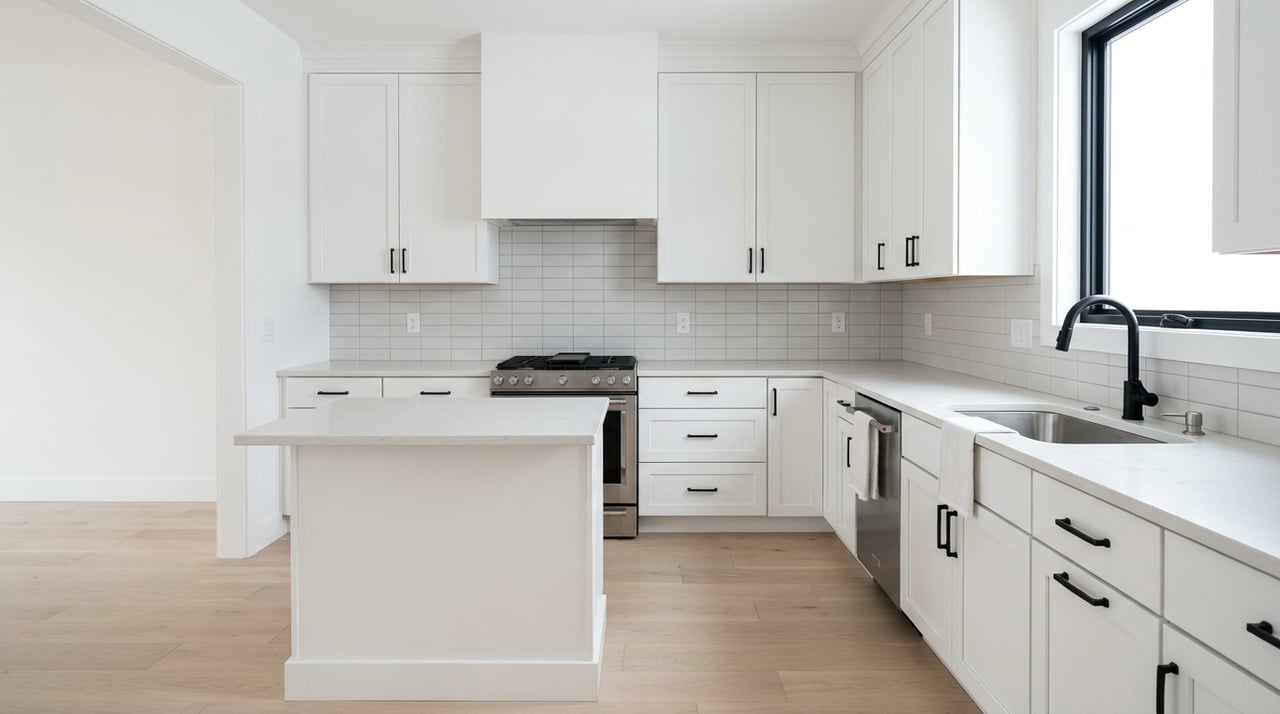
Presentation and timing amplify your pricing strategy. Minor updates to kitchens and baths, neutral interior paint, and targeted exterior improvements can improve buyer perception. Professional staging is common in competitive Cary neighborhoods and can help both time to contract and perceived value. Pair strong presentation with a coordinated first 7 to 10 days on market for maximum impact.
If you plan to leverage pre-market exposure, a Coming Soon period can gauge interest and refine pricing before the full launch. Align this with a clear go-live date, pro photography, and a review plan for early feedback.
North Carolina and Wake basics to remember
- Residential Property Disclosure. North Carolina requires sellers to complete the current Residential Property Disclosure Statement, with some exemptions. Make sure you use the latest form.
- Transfer taxes and fees. North Carolina does not impose a statewide real estate transfer tax. Local recording and closing fees apply. Confirm your expected seller closing costs.
- Property taxes and HOAs. Wake County assessments and local tax rates affect annual costs. Disclose HOA rules and fees since they impact affordability and buyer decisions.
How Hendren Realty Group supports your price
- Local comp expertise. You get recent, neighborhood-specific MLS data with a clear comp grid and documented adjustments.
- Compass-backed preparation. With professional guidance on staging, photography, and Compass Concierge where appropriate, your home shows its best.
- Smart launch and monitoring. We plan your search band strategy, early marketing window, and weekly check-ins using defined metrics.
- Negotiation and appraisal support. We prepare appraisal packets and plan for appraisal gap scenarios so your path to closing stays clear.
Ready to see your best price range based on live comps in your Cary neighborhood? Reach out to schedule a quick planning call.
FAQs
How do I choose comps for a Cary single-family home?
- Start with 3 to 8 recent sales from the same subdivision or within 0.5 to 1 mile, matching property type, size within about 10 to 15 percent, age, beds and baths, lot size, and key features, and include similar active and pending listings as current competition.
What if a new construction community is near my Cary home?
- Builder incentives can cap resale prices nearby, so compare to recent resales and current builder offerings, and consider pricing just inside a key search band to stay competitive.
How long should I wait before adjusting price in Cary?
- Use defined review windows, commonly 7 to 14 days after launch and again at 30 days, and make a meaningful adjustment if traffic and feedback signal a value gap.
How can I avoid an appraisal gap on a Cary sale?
- Ground your price in recent comps, prepare an appraisal packet with upgrades and features, and pre-plan responses such as renegotiation or buyer cash to cover a shortfall if needed.
Do small improvements before listing really help in Cary?
- Minor kitchen and bath updates, fresh paint, flooring touch-ups, curb appeal, and staging often improve showability and can reduce days on market, with results varying by neighborhood and price tier.
What is months of inventory and why does it matter?
- Months of inventory is active listings divided by average monthly closed sales, where lower numbers signal tighter supply and stronger pricing power for sellers.
If you want a local, data-backed pricing plan for your Cary home, contact Hendren Realty Group to request a free home consultation and valuation.