Thinking about buying in Fuquay-Varina but unsure how wider Triangle trends will shape your search? You are not alone. The past few years brought fast appreciation, shifting mortgage rates, and changing inventory. In this guide, you will learn what is driving the market, how those forces show up locally, and practical steps to shop with confidence in Fuquay-Varina. Let’s dive in.
Why Fuquay-Varina draws buyers
Space and value in Wake County
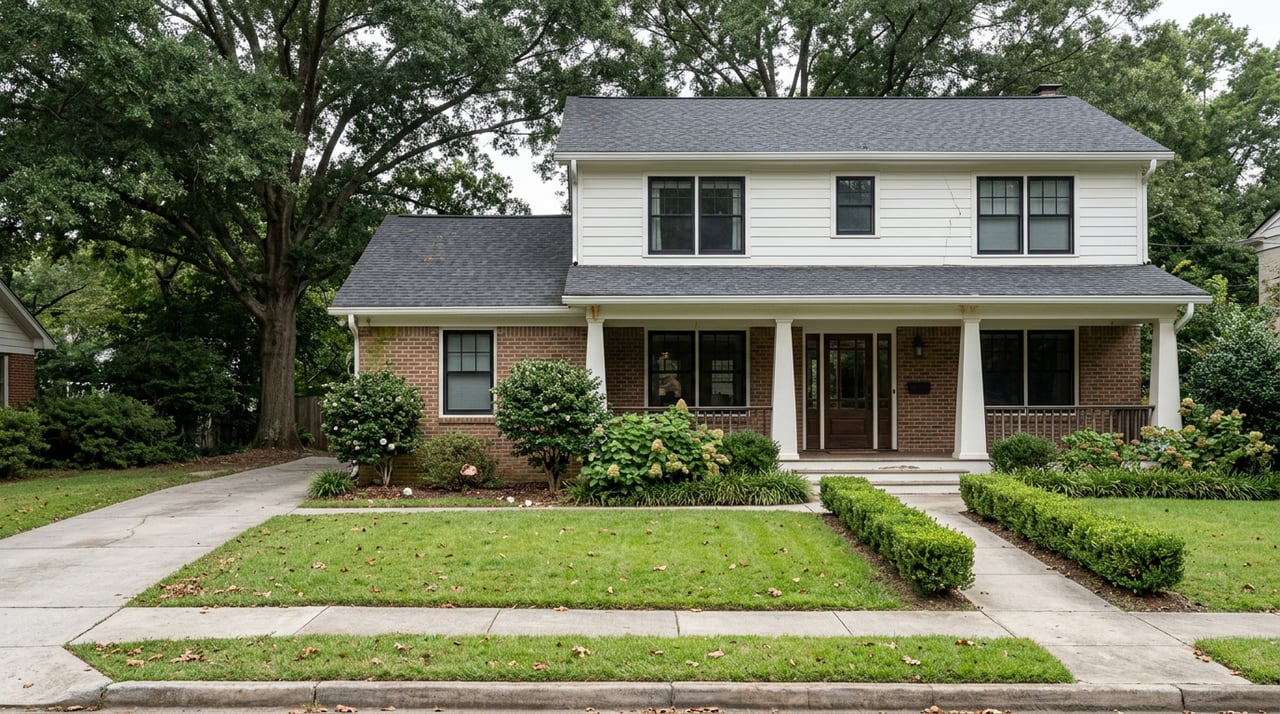
Fuquay-Varina sits in southern Wake County with a strong mix of established neighborhoods and newer subdivisions. Many buyers look here for yard space, single-family homes, and newer layouts at prices that can compare favorably to core Raleigh or Cary. Local MLS snapshots often show more single-family options than condo or townhome choices, which can be a plus if you want room to grow.
Fuquay-Varina’s appeal is not just price per square foot. You also get a small-town downtown, community events, and convenient services that support day-to-day life. These lifestyle factors, combined with steady regional population growth noted by the U.S. Census, keep demand healthy.
Commute and lifestyle balance
Many residents commute into Raleigh or toward RTP. Key routes like US-401, NC-55, and connections to I-40 or I-440 shape daily travel choices. Hybrid and remote work have also widened search areas for buyers who do not need to be in the office every day. If you value a quieter neighborhood setting with access to the Triangle’s job base, Fuquay-Varina offers a balanced option.
Fuquay-Varina’s downtown continues to add restaurants, shops, and community programming. You can explore current town projects and initiatives on the City of Fuquay-Varina’s official site to get a feel for momentum.
Schools and family services
Fuquay-Varina is served by the Wake County Public School System. Families often consider school assignments, program offerings, and capacity planning as part of their decision. Daycare, healthcare clinics, parks, and recreational amenities are widely available across Wake County, which adds to long-term livability and resale appeal.
Triangle trends and your search
Job growth and migration
The Triangle’s economy remains a key driver of housing demand. Technology, healthcare, higher education, and research employers continue to attract workers to the region. Organizations like the Research Triangle Regional Partnership track expansions and new jobs, while the U.S. Census has recorded above-average in-migration to the metro. This backdrop supports steady buyer interest in Wake County communities, including Fuquay-Varina.
Inventory patterns and competition
Inventory constraints that began during the pandemic have eased at times but still limit options in many Triangle suburbs. In Fuquay-Varina, the mix often includes more single-family and new construction compared with core-city areas. Lower-priced homes tend to move faster than upper-bracket listings, especially when they are well located and well prepared. Because conditions change quickly, you will want your pricing and timing strategy to reflect the freshest 30 to 90 days of local MLS activity.
For a national view of how prices and sales pace are trending, the National Association of Realtors publishes regular updates. Just remember that local results can vary block by block.
Interest rates and monthly payment
Since 2022, mortgage rate volatility has affected affordability more than price changes alone. The weekly Freddie Mac Primary Mortgage Market Survey is a good way to track rate trends. As you evaluate homes, weigh total payment rather than list price in isolation. A small rate shift can change your monthly budget and timeline.
New construction vs resale in Fuquay-Varina
New construction is active in and around Fuquay-Varina. Builders target buyers looking for modern layouts, energy efficiency, and warranties. Resale homes offer immediate occupancy and known neighborhood character. Each path has tradeoffs.
- New construction pros: modern floor plans, builder warranties, energy efficiency, sometimes builder incentives.
- New construction cons: premium pricing, possible wait times, HOA covenants and ongoing dues, quality punch-list items to address after closing.
- Resale pros: move in sooner, established streetscapes and services, potential room to negotiate on updates or repairs.
- Resale cons: older systems may need replacement, renovation scope and costs can vary by home.
How to compare your options
- Confirm your timeline. If you need to move within 60 to 90 days, a resale or quick-move-in new build may be your best fit.
- Compare total cost of ownership. Include taxes, HOA dues, utilities, and likely maintenance. The Wake County Tax Administration provides rate and bill details to help you estimate taxes for specific properties. You can explore resources on the Wake County Tax Administration site.
- Evaluate commute and daily routines. Drive your route during your typical travel times. Check access to grocery, parks, and healthcare.
- Inspect and verify. For new builds, review warranties and builder standards. For resales, plan for a general inspection and any specialty checks your agent recommends.
Smart offer strategy right now
Prep your financing first
A strong pre-approval signals that you are ready to close. Shop lenders, compare scenarios, and discuss rate-lock or buydown options. The Consumer Financial Protection Bureau’s homebuying tools are helpful for comparing loans, fees, and features. If rates seem likely to rise, consider locking. If they stabilize or fall, explore float-down or refinancing strategies with a lender.
Use fresh local comps
Your offer should reflect recent comparable sales and current inventory in that specific price band. In faster-moving segments, rely on data from the past 30 to 90 days. Ask your agent for list-to-sale price patterns and days-on-market ranges for the neighborhood so you can calibrate your offer strength, earnest money, and escalation steps if needed.
Calibrate contingencies and timelines
Keep contingencies that protect you, but tune deadlines to the pace of the market. Examples include a well-structured inspection window, realistic appraisal timing, and a lender timeline that matches your closing date. If you are competing, flexibility on closing or possession can add value without overextending on price.
Cost snapshot to plan for
Taxes, HOA, insurance, and maintenance
Beyond principal and interest, plan for property taxes, homeowners insurance, HOA dues if applicable, and routine upkeep. Taxes vary by property based on assessed value and municipal rates, which you can confirm through the Wake County Tax Administration. For HOA neighborhoods, review the community budget and rules before you write an offer so you understand services and any planned assessments.
Rate buydowns and credits
Builders and some sellers may offer closing cost credits or rate buydowns. Your lender can show how a permanent buydown compares to a temporary option and how both stack up against a price reduction. In a payment-sensitive environment, these tools can help you meet your monthly budget more comfortably.
What to watch locally
Permits, projects, and supply
Building-permit activity can signal future inventory. Fuquay-Varina and Wake County publish updates and meeting agendas that outline proposed subdivisions, school additions, and mixed-use plans. You can track upcoming initiatives and public meetings on the City of Fuquay-Varina site. More supply in your target price range may open up choices or change negotiation dynamics.
Roads, schools, and services
Road improvements and school planning can shape commute times and attendance zones. Follow city and county planning pages for updates so you can factor future changes into your decision. Ask your agent about timing and likely impact on the neighborhoods you are considering.
Your next steps
Buying in Fuquay-Varina is about matching your lifestyle goals with smart timing and a clear plan. Start by clarifying must-haves, getting pre-approved, and deciding whether new construction or resale fits your timeline. Then use up-to-date local data to guide each offer.
If you want a seasoned, responsive guide who knows Wake County neighborhoods and micro-trends, we are here to help. Connect with Hendren Realty Group to align your budget, shortlist the right areas, and move with confidence.
FAQs
Is Fuquay-Varina more affordable than Raleigh or Cary?
- Generally yes for similar square footage and lot size, though results vary by neighborhood and current MLS data.
How long do homes sit on the market in Fuquay-Varina?
- It depends on price band and condition, with lower-priced, well-prepared homes often moving faster than upper-bracket listings.
Are there many new subdivisions in Fuquay-Varina?
- Yes, the area has active single-family development, and city planning pages list current and proposed communities.
How do property taxes and HOA fees impact my budget here?
- Taxes and dues directly affect monthly costs, so verify estimates through the Wake County Tax Administration and the community’s HOA documents.
Should I choose new construction or a resale home?
- Choose based on timeline, budget, and preferences, weighing warranties and efficiency versus immediate occupancy and established neighborhoods.
What is the commute like to Raleigh or RTP from Fuquay-Varina?
- Many residents use US-401 and NC-55 to reach Raleigh and connectors to I-40 for RTP, with timing depending on route and work schedule.